

Before You Go: The Gable Moorgate and the Best of the City Nearby
The Gable offered food, drinks, dancing, and nightlife at 25 Moorgate, in London’s financial district. Today, travellers searching for The Gable Moorgate still find old reviews, event listings, and venue descriptions that make it appear bookable. It is not. The former bar has closed, and the building has since undergone redevelopment. Knowing this before you arrive saves time, avoids disappointment, and turns an outdated nightlife search into a rewarding visit to one of London’s most historic business districts.
Although The Gable Moorgate is no longer welcoming guests, the surrounding neighbourhood remains one of the most interesting parts of the City of London. With excellent transport links, famous landmarks, restaurants, shopping areas, and cultural attractions all within walking distance, there is still plenty to enjoy after arriving in the area.
Table of Contents
ToggleThe Gable Moorgate: What Visitors Need to Know
The answer is straightforward: The Gable Moorgate is no longer operating as a bar, restaurant, nightclub, or event venue. Historic listings describe a lively two-level City destination known for cocktails, DJs, private events, business gatherings, and late-night entertainment. Those descriptions belong to the past.
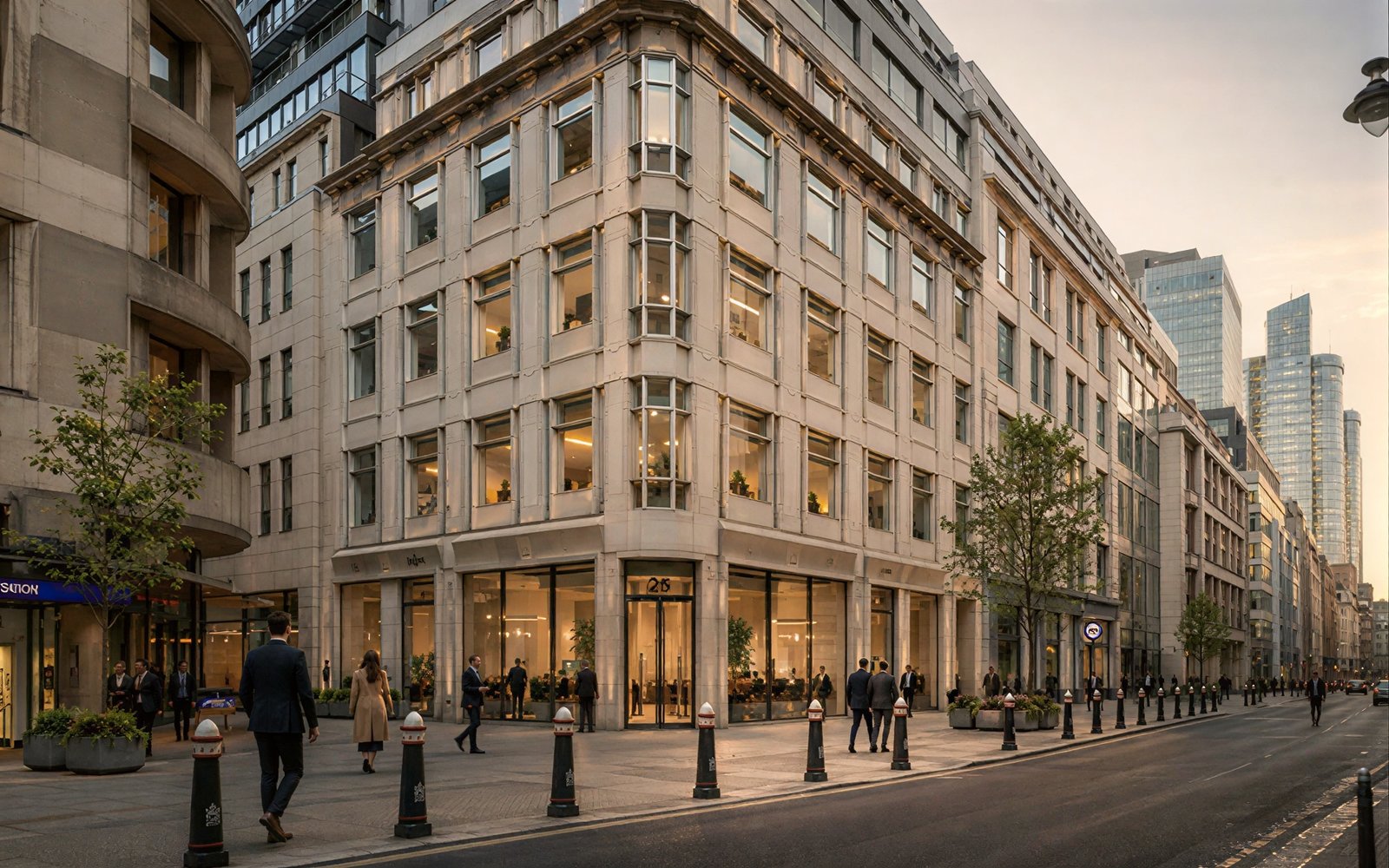
Today, information about 25 Moorgate refers to an office redevelopment featuring modern workspace, outdoor terraces, and upgraded commercial facilities rather than hospitality services.
This distinction matters because search engines often continue displaying archived reviews, outdated booking pages, and event listings long after a venue has permanently closed. Visitors planning birthdays, office parties, reunions, or weekend evenings can easily assume the venue still exists.
Before travelling to any older London venue, it is always worth checking three simple things:
- The official website or booking system
- Recent social media activity
- Current Google Maps information
If all three appear inactive or inconsistent, it is usually a sign that the venue has closed.
As experienced travellers often say:
“A closed door does not end the journey; it simply changes the route.”
Is The Gable Moorgate Open?
No Do not travel to 25 Moorgate expecting cocktails, dinner, dancing, live music, or evening events. While the address remains easy to find, it should now be viewed simply as a navigation point rather than a destination.
Many older websites still advertise private hire packages, Christmas parties, networking events, and nightlife experiences that are no longer available. This creates confusion for tourists as well as London residents who have not visited the area for several years.
Knowing in advance allows you to spend your time exploring nearby attractions instead of arriving at a closed venue.
Getting to the Former Venue Without Stress
Moorgate Station remains the easiest way to reach the former location.
From the station, 25 Moorgate is only a short walk through London’s financial district. Bank Station and Liverpool Street Station are also excellent alternatives, especially if engineering works affect your preferred Underground route.
The surrounding area is exceptionally well connected through:
- London Underground
- Elizabeth Line
- National Rail services
- Local bus routes
- Taxi ranks
- Santander Cycle docking stations
Because of these transport options, visitors rarely need a car when exploring the district.
If visiting on weekdays, allow additional travel time during the morning and evening rush hours. Thousands of office workers pass through Moorgate every day, making pavements and stations particularly busy.
Weekend visits feel much quieter, although some City restaurants and cafés operate shorter opening hours or remain closed on Sundays. Checking same-day opening times can help avoid unnecessary surprises.
What to Do Near The Gable Moorgate Instead
A search for The Gable Moorgate does not have to end in disappointment. In fact, the surrounding neighbourhood offers far more than a single nightlife venue ever could.
Walk south toward Bank to experience London’s historic financial centre. Here you’ll find impressive architecture, elegant office buildings, narrow historic streets, and landmarks that have shaped the city’s commercial history for centuries.
Continue towards Leadenhall Market, one of London’s most beautiful covered markets. Its Victorian architecture, colourful roof, boutique shops, restaurants, and cafés make it one of the City’s most photographed locations.
Heading west brings visitors to Guildhall, where medieval history meets modern London. Nearby you’ll also discover St Paul’s Cathedral, attractive gardens hidden between office buildings, and peaceful churchyards that provide a welcome break from busy streets.
Those interested in culture should continue north-west to the Barbican Centre. The complex is famous for theatre performances, concerts, exhibitions, cinemas, and its distinctive Brutalist architecture. Depending on opening schedules, visitors may also enjoy the Barbican Conservatory, one of London’s hidden indoor gardens.
A Simple Half-Day Moorgate Itinerary
If you arrive expecting to visit The Gable Moorgate, consider following this alternative itinerary instead.
Begin at Moorgate Station before walking past the former venue. Continue south towards Bank and spend time exploring the Royal Exchange and surrounding financial district.
From there, choose one of two excellent walking routes.
Walk east to Leadenhall Market for lunch, shopping, and photography, or head west toward Guildhall and St Paul’s Cathedral to experience more of London’s historic architecture.
During the afternoon, continue to the Barbican Estate, where elevated walkways, lakeside spaces, public art, and landscaped gardens create a completely different atmosphere from the busy financial streets nearby.
Finish your day around Liverpool Street or Broadgate, where you’ll find a much wider choice of restaurants, pubs, rooftop venues, and evening entertainment than the quieter streets surrounding the former Gable location.
This route works particularly well because nearly every attraction can be reached on foot without relying heavily on public transport.
Where to Eat and Drink Around Moorgate
Rather than relying on outdated listings for The Gable Moorgate, explore the many excellent dining options nearby.
Broadgate Circle has become one of the area’s most popular food and drink destinations, offering casual lunches, international cuisine, cocktails, and after-work bars.
Liverpool Street provides everything from independent cafés to premium restaurants serving British, Italian, Japanese, Indian, and Mediterranean cuisine.
Bank and Bloomberg Arcade also offer excellent choices for both business lunches and evening meals, while Leadenhall Market combines historic surroundings with traditional pubs and modern restaurants.
Visitors looking for a more energetic nightlife scene can continue east towards Shoreditch, where live music venues, cocktail bars, rooftop spaces, and late-night entertainment are far more plentiful than within the Square Mile itself.
As always, reservations are recommended for busy evenings, particularly on Thursdays and Fridays.
Why the Former Gable Location Is Still Worth Knowing
Although The Gable Moorgate has closed permanently, its location remains useful when planning a visit to central London.
The address sits between several major transport hubs and within walking distance of some of London’s most significant landmarks. It provides an excellent starting point for discovering both the historic City and newer commercial developments.
Instead of viewing the closure as a disappointment, think of it as an opportunity to experience more of what the surrounding area has to offer. Many visitors end up discovering attractions they had never planned to see simply because they explored beyond their original destination.
The City of London rewards curiosity, and Moorgate is one of its best-connected neighbourhoods.
Final Thoughts
Travellers searching for The Gable Moorgate should know that the venue is permanently closed and no longer operates as a restaurant, bar, nightclub, or event space. While older reviews and archived listings remain online, they no longer reflect the current situation at 25 Moorgate.
Fortunately, the surrounding district offers countless alternatives. From historic landmarks and world-class architecture to excellent restaurants, cultural attractions, and easy transport connections, Moorgate remains a worthwhile destination even without its former nightlife venue.
Plan your visit with current information, explore the wider City of London, and you’ll discover that the best experiences are often found just beyond the place you originally intended to visit.
Tags