What to Check Before Buying a Used Diesel Pickup Truck
Buying a used diesel pickup truck can be a smart investment for drivers who need a reliable vehicle for daily commuting, long-distance travel, cargo transportation, or towing. Diesel pickups are known for their strong torque, impressive pulling capacity, and durability. However, purchasing a used truck requires careful research because previous owners, driving habits, maintenance practices, and working conditions can significantly affect its performance.
A truck that looks clean from the outside may still have hidden mechanical problems. Before making a purchase, buyers should evaluate the vehicle’s condition, review its maintenance history, and take it for a thorough test drive. Here are the most important things to check before buying a used diesel pickup truck.
Table of Contents
Toggle1. Determine How You Plan to Use the Truck
Before exploring available trucks, identify your primary purpose. Your intended use will help determine the right engine size, towing capacity, cab configuration, and overall vehicle condition.
For daily commuting, fuel efficiency, driving comfort, and manageable maintenance costs should be important considerations. If you frequently travel long distances, look for a truck with a comfortable interior, reliable cooling system, and a well-maintained engine.
Buyers who need to transport heavy cargo should pay attention to payload capacity, suspension condition, and bed durability. Similarly, if towing trailers, boats, or other heavy equipment is part of your routine, check the manufacturer’s recommended towing capacity and ensure the truck has the appropriate equipment.
Choosing a pickup based on actual requirements can prevent unnecessary expenses and help you find a vehicle that meets your expectations.
2. Inspect the Engine and Cooling System
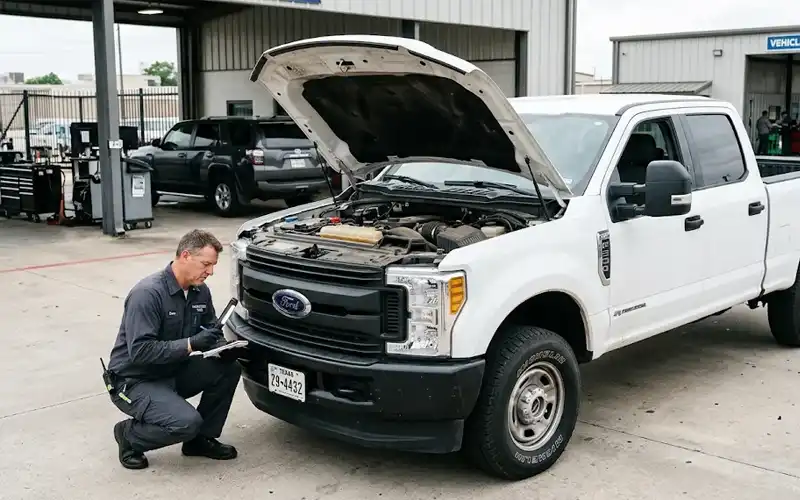
The engine is one of the most important components of a diesel pickup truck. Since diesel engines can be expensive to repair, inspecting their condition before purchasing is essential.
Start by checking the engine for visible oil leaks, damaged hoses, loose connections, and unusual corrosion. Ask the seller whether the engine has undergone major repairs or component replacements.
Pay particular attention to the cooling system. Inspect the radiator, coolant reservoir, hoses, and water pump for signs of leakage or damage. An overheating engine can indicate serious mechanical problems, especially if the truck has previously been used for heavy towing or commercial transportation.
It is also worth checking the engine oil and coolant condition. Unusual discoloration or contamination may indicate underlying issues that require professional attention.
3. Examine Tires, Brakes, and Exhaust Components
Tires and brakes directly affect vehicle safety, handling, and overall driving performance. Inspect all four tires for uneven wear, cracks, bulges, and sufficient tread depth. Uneven tire wear may indicate alignment problems or suspension-related issues.
Next, evaluate the braking system. Check the brake pads, rotors, brake lines, and parking brake. During the test drive, observe whether the truck stops smoothly without unusual vibrations, grinding sounds, or pulling to one side.
The exhaust system also deserves careful attention. Look for damaged pipes, loose connections, excessive soot, and visible leaks. Modern diesel pickups may include components such as a DPF delete kit, diesel oxidation catalyst (DOC), and exhaust sensors.
Make sure the emissions equipment is present and functioning according to applicable regulations. Missing or modified emissions components can create inspection, registration, compliance, and resale problems.
If the truck has previously undergone exhaust modifications, ask for documentation and have a qualified diesel technician evaluate whether the system meets local legal requirements.
4. Take a Thorough Test Drive
A test drive is one of the best opportunities to identify problems that may not be visible during a stationary inspection. Whenever possible, test the truck with the engine completely cold before starting it.
Pay attention to how easily the engine starts. Excessive cranking, rough idling, or unusual vibrations may indicate mechanical or fuel-system issues.
During the drive, evaluate acceleration, transmission shifting, steering response, and braking performance. A healthy diesel pickup should deliver consistent power without unexpected hesitation or excessive noise.
Watch the exhaust for unusual smoke:
- Black smoke: May indicate excessive fuel delivery, restricted airflow, or other engine-related issues.
- Blue smoke: Can suggest oil burning.
- White smoke: May indicate unburned fuel, coolant-related problems, or other mechanical faults, depending on operating conditions.
Also monitor the dashboard for warning lights, including check-engine, temperature, oil pressure, and emissions-system alerts.
Do not ignore warning signs simply because the truck appears to drive normally.
5. Review Maintenance and Repair Records
Maintenance history can tell you a great deal about how a used diesel pickup has been treated. Ask the seller for service invoices, repair receipts, inspection reports, and available ownership records.
Look for evidence of regular oil changes, fuel filter replacements, coolant servicing, transmission maintenance, and exhaust-system inspections.
Pay attention to recurring repairs. For example, repeated cooling-system failures, frequent DPF warnings, or ongoing fuel-injector problems may indicate unresolved mechanical issues.
If maintenance records are incomplete, do not automatically reject the vehicle, but consider the additional uncertainty when negotiating its price.
You should also arrange an independent inspection with a qualified diesel mechanic before finalizing the purchase. A professional can perform diagnostic scans, inspect the undercarriage, evaluate engine performance, and identify problems that may not be obvious during a regular test drive.
6. Understand Diesel Exhaust Modifications Before Buying
Some used diesel pickup trucks may have aftermarket exhaust components or performance modifications installed by previous owners. These changes can affect emissions compliance, engine performance, warranty coverage, and long-term maintenance.
Buyers researching aftermarket components, including a diesel all-in-one delete kit, should understand what the equipment is designed to do and whether its installation is permitted under applicable emissions laws.
Before purchasing a modified truck, verify the installed components, check the vehicle’s emissions compliance, and consult a qualified technician. Avoid assuming that aftermarket modifications automatically improve reliability or performance.
For road-going vehicles, maintaining legally required emissions equipment is essential.
7. Check the Vehicle’s Documents and Ownership History
Mechanical condition is only one part of a successful purchase. Buyers should also verify the truck’s legal and ownership history.
Check the vehicle identification number (VIN) against its registration documents. Where available, obtain a vehicle history report to identify previous accidents, title problems, reported mileage discrepancies, or outstanding recalls.
Inspect the truck’s body for signs of previous collision repairs, rust, frame damage, and poorly repaired sections. Pay particular attention to the chassis and undercarriage if the pickup has previously been used for construction, farming, or heavy-duty transportation.
Confirm that the seller has legal ownership and that all required paperwork is available before making payment.
Conclusion
Buying a used diesel pickup truck requires more than comparing prices and choosing a vehicle with an attractive appearance. Buyers should carefully evaluate their transportation needs, inspect major mechanical components, examine exhaust-system condition, and conduct a proper test drive.
Equally important, reviewing maintenance records and arranging an independent professional inspection can help uncover hidden problems before they become expensive repairs.
Taking these precautions will make it easier to choose a dependable used diesel pickup that delivers the performance, practicality, and long-term value you expect.
Frequently Asked Questions
- What should I check first when buying a used diesel pickup truck?
Start by inspecting the engine, cooling system, tires, brakes, and exhaust components. Also review the truck’s maintenance records and check for visible damage or fluid leaks.
- How do I know if a used diesel engine is in good condition?
A healthy diesel engine should start without excessive cranking, idle smoothly, and produce consistent power. Check for unusual noises, oil leaks, excessive smoke, and warning lights.
- Is a cold start important when inspecting a used diesel truck?
Yes. Starting the engine when it is completely cold can help identify problems with the battery, glow plugs, fuel system, and engine performance that may be less noticeable after warming up.
- What does excessive smoke from a diesel pickup truck mean?
Black smoke may indicate excessive fuel delivery or restricted airflow. Blue smoke can suggest burning oil, while white smoke may indicate unburned fuel or coolant-related problems.
- Should I check the maintenance history before buying a used diesel pickup?
Yes. Review oil changes, fuel filter replacements, transmission servicing, coolant maintenance, and previous repairs. Regular maintenance records can provide useful information about the truck’s condition.
- Why should I inspect the exhaust system on a used diesel truck?
The exhaust system helps control emissions and supports proper engine operation. Check for damaged pipes, missing emissions equipment, exhaust leaks, and unauthorized modifications.
- Is a professional inspection necessary before buying a used diesel pickup truck?
Yes. An independent diesel mechanic can inspect the engine, transmission, suspension, undercarriage, and diagnostic codes. This can help identify hidden problems before you complete the purchase.
Tags