Short Set Sizing When You Are Between Two Letters
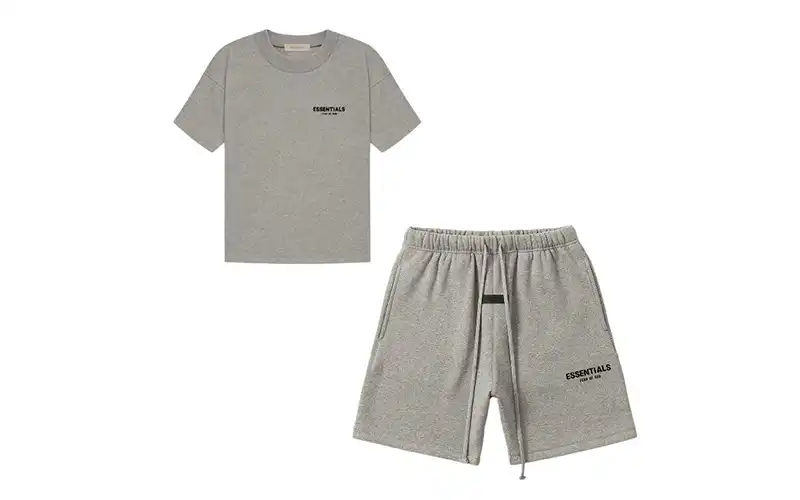
Sitting between a medium and a large isn’t an unusual place to stand, and for a single garment it barely registers — you take the bigger letter, the sleeve runs a centimetre long, nobody notices and life carries on. A two-piece set is where that stops being a free choice, because one letter has to describe two garments that are measuring two fairly different parts of you, and only one of them is going to get its way. Buying a short set through Essentials Canada means the halves turn up in the same colourway, which is most of the appeal, and it’s also why the decision takes a minute longer than it would for an Essentials Hoodie bought on its own.
Table of Contents
ToggleOne letter, two completely different jobs
A top takes its size from your shoulders and your chest, mostly, with the body length coming along for the ride. Shorts take theirs from your waist and your hips, and then separately from your rise and your inseam, which are measurements the top knows nothing about. So a single size letter is standing in for about five numbers at once, and there’s no particular reason those five numbers should all land on the same side of the line.
The half that won’t negotiate
If one piece has to be right, I’d give it to the top, and the reason is a single seam. The shoulder seam has a place it belongs — roughly at the outer edge of your shoulder, or a little past it on a cut that’s meant to sit relaxed — and once it’s in the wrong place there’s nothing you or a dryer or a careful wash can do about it. Too far down your arm and the whole top reads borrowed. Too far in and the sleeve head pulls every time you reach for something on a high shelf.
Chest width, body length, even the hood’s depth will all quietly adapt themselves to you. The shoulder won’t. It’s the one dimension on a fleece or sweatshirt-style top that announces the size you bought from across a room, and it’s worth more attention than the number on the waistband.
The shorts are the forgiving half, within reason
Most short-set bottoms run on elastic with a drawcord through it, and that combination covers a surprising spread of waist measurements — a few centimetres either way, pulled in and tied off, without the garment looking like somebody wrestled it into submission. That’s the bit of built-in tolerance that makes going up a letter survivable.
What a relaxed cut forgives, and what it doesn’t
Width, it forgives almost entirely. An oversized or relaxed shape has ease designed into the chest and the hip already, so an extra few centimetres of room there reads as the intended silhouette rather than as a mistake, and soft French terry drapes over a borderline call instead of clinging to it, which is exactly why Essentials Short Sets tend to be more tolerant of a borderline call than a slim-cut shirt would ever be. Nobody can tell whether the roominess was yours or the pattern’s.
Length is the unforgiving half, and it’s where the extra letter goes visibly wrong. Sleeve length, body length, the rise, the inseam, where the ribbed cuff finishes on your wrist — those all grow with the size, and your arms and your legs stayed exactly where they were. Shorts that were meant to land mid-thigh can end up hovering near the knee, which changes the proportion of the whole outfit rather than just making it looser, and a hem sitting at an odd point on the leg is the single thing that makes a set look like it was bought in the wrong size.
Working it out with no chart in front of you
This shop doesn’t publish a measurement chart, so the comparison has to come from somewhere else, and the most reliable somewhere else is a garment already hanging in your own wardrobe. An Essentials Hoodie you already wear, or any favourite top that fits the way you want, laid flat with the sleeves straight, gives you a shoulder-to-shoulder number and a pit-to-pit number that mean something to you specifically — far more than a brand’s idea of what a large contains.
Shorts work the same way, except the measurement that actually matters is the inseam rather than the waist, since the waist has elastic to fall back on and the leg doesn’t. A pair you already like, measured from crotch seam to hem, is the number to hold in your head while you’re reading a product description. And honestly, where a description is thin on detail, asking the shop before ordering costs one message and saves a return.
| Key Takeaways ● One size letter is covering shoulders, chest, waist, rise and inseam at once, and those rarely agree. ● The shoulder seam is the measurement nothing can fix later, so it gets priority over the waistband. |
The call that’s hardest to undo
Going down a letter to keep the shorts trim is the one I’d be most careful about, because the top comes along with it. A tighter chest on a relaxed design doesn’t look slimmer, it looks like somebody stretched the pattern over something it wasn’t drawn for, and the hood tends to sit flatter and tighter against the back of the neck than it was meant to. That’s a lot of compromise bought with a couple of centimetres of thigh.
Sizing up is the softer error of the two, and it’s recoverable in a way the other isn’t. An Essentials Hoodie with a bit too much room in it is still a top you’ll wear over a tee for layering through shoulder season, and anybody who does alterations can shorten loose shorts for the price of a coffee or two. A tailor can take a hem up. Nobody can put a shoulder back.
Frequently Asked Questions
Can I just order both letters and send one back?
You can, and for a borderline call it’s not a silly plan at all, though it does depend on what the returns terms are at the time — that detail shows up at checkout rather than here, so it’s worth reading before the order goes through. The one catch is that a set is a set, so you’d be sending back a complete pair rather than the one piece that missed.
Does the shoulder rule hold for an oversized design too?
It holds, it just moves. An oversized cut is drawn with the shoulder seam dropped onto the upper arm, so the seam being past the edge of your shoulder is correct there — what you’re looking for is whether it’s dropped by the amount the design intended rather than by a size letter’s worth more.
How should a short set fit on the body?
A short set should feel comfortable without looking too loose or too tight. The top should sit properly around the shoulders, while the shorts should stay secure around the waist.
Should short sets feel loose or fitted?
Most casual short sets are designed for a relaxed fit. They should allow easy movement without making the outfit look oversized beyond your preference.
How do I know if my shorts are too long?
If the shorts cover most of your knees or hang much lower than your preferred style, they may be too long for your body proportions.
Does fabric affect how a short set fits?
Yes. Cotton, fleece, and French terry fabrics can drape differently. Thicker fabrics may hold their shape, while softer fabrics usually fall more naturally.
Can washing change the fit of a short set?
Yes. Some fabrics, especially cotton, can shrink when washed or dried at high temperatures. Following the care label and avoiding excessive heat can help maintain the original fit.
Being between sizes is a fit question with no clean answer, and anybody telling you otherwise is selling something. What it does have is a sensible order of priority: the shoulder first, the hem second, the waist last of all, because that’s the order of how much you can do about each one afterwards. Have a look at what’s in the short set and tracksuit pages with that in mind, and the borderline call gets a good deal less agonizing.
Tags