
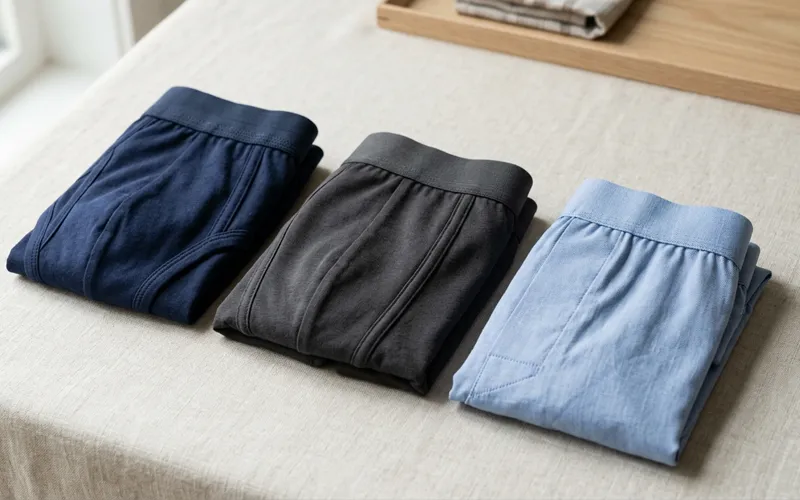
What to Look for When Buying Men’s Underwear in Pakistan
Most men in Pakistan buy underwear the same way. You walk past a stall or scroll through a page, grab a pack that looks decent, check the price, and move on. Sometimes it works out. Often, a few weeks later, the waistband has gone loose, the fabric feels rough, and you’re back to wearing the two pairs that still feel okay.
The frustrating part is that this is avoidable. A few minutes of attention at the buying stage makes a big difference to how your days feel. And in a country like ours, with long hot summers, humid coastal weather, sudden monsoon spells, and dry cold in winter, the choices you make matter more than they might elsewhere.
Here’s what I’d check before buying, in roughly the order it matters.
Table of Contents
Toggle1. Start With the Fabric
If there’s one thing to take from this article, it’s this: read the fabric label before you look at the price, the print, or the brand.
Pakistan’s heat is the main reason. When it’s 40°C and you’re sitting in traffic or working in a room with patchy air conditioning (or none, during load shedding), your underwear needs to breathe. A fabric that traps heat and sweat will make you uncomfortable within hours.
Cotton is the safest choice for most men. It’s a natural fibre that lets air pass through, absorbs moisture, and is generally gentle on skin. If you’re shopping for men cotton underwear, look for the words “100% cotton” and check the composition on the label. Some pairs sold as “cotton” are actually blends, and the synthetic part changes how they feel in heat.
Modal is worth knowing about too. It’s made from beech tree pulp, and it feels smoother and softer than standard cotton. Many men like it for evenings and sleep. You’ll find it in options like modal boxershorts.
Heavy synthetic blends are the ones to be careful with. They can hold heat and moisture close to the skin, which is exactly what you don’t want in summer.
One more thing worth looking for: whether the brand mentions testing its fabrics. Materials tested for harmful substances are a sensible thing to care about when the garment sits against your skin all day. Brands that are open about this, such as those that publish their certifications, are generally easier to trust than ones that only say “premium quality” on the pack.
2. Choose the Right Style for Your Routine
Fabric comes first, but style comes right after, and it should match how you actually spend your day.
Boxers are loose and airy, which makes them a natural fit for hot weather, sleeping, and time at home. If you’re looking at men boxers, they’re also the easiest style to wear under shalwar kameez or loose trousers, where there’s no need for tight support.
Briefs sit close to the body and give firm support. A classic brief is a good choice for fitted trousers or days when you’re on your feet a lot.
Boxer briefs fall in between. A long leg boxer brief gives support with extra coverage down the thigh, which helps with chafing. If you commute on a bike, walk a lot, or deal with thigh rubbing in the heat, this is the style to try.
If you wear shalwar kameez most days, you have a bit more freedom to choose comfort over compression. If you’re in office trousers or jeans, a fitted cut usually stays neater.
3. Get the Size Right (Don’t Guess)
This is where many people go wrong. Sizes are not standard across brands, so “medium” in one pack may feel completely different from “medium” in another.
Measure your waist with a tape and compare it to the brand’s size chart. Savys, for example, has a how to measure guide for exactly this purpose. It takes a minute and can save you from a drawer of pairs you never wear.
Watch for these signs:
- Too tight: deep red lines on your skin, a waistband that rolls, or leg openings that dig in when you sit.
- Too loose: fabric that bunches, sags, or needs constant adjusting.
- Right: you forget you’re wearing it.
If you’re between sizes, check the product description for fit details, and remember that most cotton relaxes slightly with wear.
4. Look Closely at the Waistband
A good waistband holds securely without pinching. It should stretch a little, come back to shape after washing, and lie flat against your skin.
Thin, tight elastic tends to dig in and wears out quickly. Wider, softer waistbands are usually more comfortable, especially during long sitting hours. If you’re buying online, look at close-up photos. If you’re in a shop, gently stretch the band and see how it recovers.
5. Check the Stitching
This is the detail most people skip, and it’s one of the biggest signs of quality.
Flat, neat, soft seams are far kinder to your skin than thick or raised ones, particularly if you sit for long stretches. Loose threads, uneven lines, and puckered seams often mean the pair won’t survive many washes.
Turn the pair inside out if you can. What you see there, the inside seams, tells you more about the maker’s care than the outside ever will.
6. Think About Your Climate and Season
Pakistan doesn’t have one climate, so what works in Karachi in July isn’t the same as what works in Islamabad in January.
Summer and humid weather: go for lightweight, breathable cotton and a relaxed or long-leg cut, depending on whether you’re battling heat or chafing.
Monsoon: fabric that dries reasonably well helps, and having extra pairs matters, since clothes can take much longer to dry.
Winter: don’t assume you need something thick. When you’re wearing layers, breathable underwear keeps you drier and more comfortable than something heavy and synthetic. Pairing it with a simple undershirt for layering usually works better than choosing thicker underwear.
7. Judge Value, Not Just Price
The cheapest pair isn’t always the cheapest in the long run. If it loses shape after a few washes or turns thin and rough, you’ll be replacing it in a few months. A better-made pair that lasts a year or two often costs less per wear.
Multi-packs are usually the smarter way to buy. They cost less per piece than singles and give you a matching set. Cotton boxer packs of three from Savys start from Rs. 1,750, and there are also saver packs if you want to stock up in one go. Staggering your purchases also helps, so your whole drawer doesn’t wear out at the same time.
8. Know the Return and Support Details
This is especially useful when buying online. Before ordering, check the seller’s return and exchange policy and whether there’s a way to contact them if the size is wrong. Reading the return policy takes a minute and saves frustration later. A brand that makes this information easy to find is usually one that expects to stand behind its products.
Also look at genuine customer reviews. Pay attention to comments about fit, fabric feel, and how the product holds up after washing, rather than just star ratings.
9. Consider How Responsibly It’s Made
More Pakistani shoppers are asking where and how their clothes are made, and that’s a healthy shift. You don’t need to be an expert. Just look for brands that are open about their materials, packaging, and approach.
The most practical form of sustainability is also the simplest: buy something that lasts. Fewer replacements mean less waste and fewer deliveries. Savys shares its approach in its environmental commitments page, and that kind of openness is a good sign wherever you shop.
10. Do a Simple Wear Test
Once you’ve bought a new pair, wash it before the first wear, then wear it for a full day, including sitting, walking, and bending. Ask yourself:
- Am I adjusting it constantly?
- Do I notice the waistband by the afternoon?
- Is there any rubbing or heat build-up?
- Do I forget I’m wearing it?
That last one is the real test. The best underwear is the kind you stop thinking about.
A Quick Checklist to Take Shopping
Save this on your phone:
- Fabric is clearly labelled and breathable (ideally 100% cotton or modal).
- Style suits my daily routine and clothing.
- Size matches the brand’s chart, not just my habit.
- The waistband is soft, flat, and secure.
- Seams are neat and flat, with no loose threads.
- Fits the season and my local climate.
- Good value per pair, ideally in a multi-pack.
- Clear return and support information.
FAQs
What is the best fabric for men’s underwear in Pakistan’s weather?
Breathable natural fabric like 100% cotton is the most reliable choice for hot and humid conditions. Modal is a softer alternative that many men like for lounging and sleeping.
Should I wear boxers or briefs in summer?
Boxers usually feel airier in extreme heat. If thigh chafing is your problem, a breathable cotton boxer brief with a longer leg can be more comfortable than loose boxers.
How do I choose the right underwear size when buying online?
Measure your waist and compare it with the brand’s size chart rather than relying on your usual size. Sizing differs between brands, and checking the chart helps avoid returns.
How many pairs of underwear should I buy at once?
Most men are comfortable with ten to fourteen pairs. Buying in multi-packs is generally cheaper per piece and gives you a matching set.
How often should men replace their underwear?
Replace a pair when the waistband loosens, the fabric turns thin or rough, or the shape no longer holds. With good fabric and gentle washing, a quality pair can last a year or two.
Final Thoughts
Buying men’s underwear in Pakistan doesn’t need to be complicated. Choose breathable fabric, pick a cut that suits your day, check the size properly, and pay attention to the waistband and stitching. Do those few things and you’ll stop thinking about your underwear, which is exactly what good underwear should let you do.
If you’re refreshing your drawer, you can browse the full men’s underwear range to compare fabrics and cuts side by side, then trust what your own day tells you.
Tags