Alpaca Wool Explained and Why It Is Loved for Soft Winter Clothing
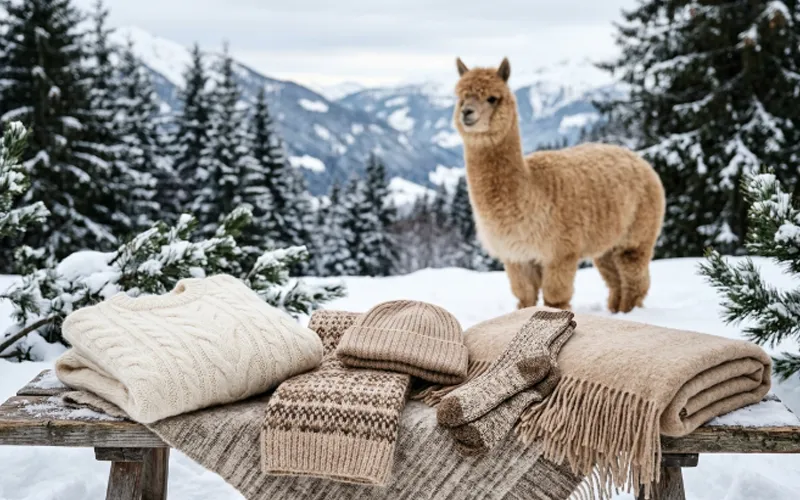
Alpaca wool is known for its soft feel, natural warmth, and lightweight comfort. It comes from alpacas, animals raised mainly in the highlands of South America. For many years, alpaca fiber has been used to make warm clothing, blankets, scarves, and other textile products. Today, it is also popular in modern winter fashion because it can provide warmth without making clothing feel overly heavy.
Unlike some traditional wool fabrics, alpaca fiber has a smooth and soft feel that many people find comfortable against the skin. It is also valued for its natural insulating properties. From an alpaca wool sweater to an alpaca wool scarf or beanie, this fiber can be used in many different types of clothing.
But what exactly makes this material different from ordinary wool? Is alpaca wool itchy? How should you wash it? And how does it compare with merino or sheep wool? This guide explains the main things you should know before buying or caring for alpaca products.
Table of Contents
ToggleWhat Is Alpaca Wool?
So, what is alpaca wool called in the textile world? It is commonly called alpaca fiber or simply alpaca. The term “alpaca wool” is widely used when talking about clothing and other finished products, although the material itself is technically an animal fiber rather than wool from a sheep.
The fiber comes from alpacas, which are members of the camel family. Alpacas are closely related to llamas and are especially well suited to cold mountain environments. Their coats help protect them from low temperatures, strong winds, and changes between daytime and nighttime weather.
The fiber is collected during shearing and then cleaned, sorted, spun, and turned into yarn or fabric. Its natural structure helps trap warm air, which is one reason alpaca products are popular in cold-weather clothing.
Is Alpaca Wool Itchy?
A common question is is alpaca wool itchy? The answer depends on the quality of the fiber and how sensitive the wearer is.
Very fine alpaca fibers can feel soft and comfortable against the skin. However, not every alpaca product has the same texture. Coarser fibers can feel less comfortable, especially around sensitive areas such as the neck or wrists.
The construction of the garment also matters. A loose-knit sweater may feel different from a tightly woven fabric. If you are sensitive to wool, checking the product description and fiber quality before buying can help you choose a softer option.
How Warm Is It?
Alpaca fiber is naturally suited to cold conditions. Its structure can help hold warm air close to the body, making it useful for winter clothing.
This is why products such as alpaca wool socks, sweaters, scarves, hats, and blankets are popular in colder weather. A good pair of socks can provide warmth without requiring a very thick layer, while a sweater can add insulation without feeling as bulky as some heavy winter garments.
Of course, actual warmth depends on the thickness, knit, design, and blend of the finished product. A thin alpaca fabric will not necessarily be warmer than a thick garment made from another material.
Alpaca Wool vs Merino Wool
The comparison between alpaca wool vs merino wool is common because both fibers are used for high-quality winter clothing.
Merino comes from Merino sheep, while alpaca comes from alpacas. Both can produce soft and warm fabrics, but they have different characteristics.
Alpaca is often appreciated for its smooth feel, lightweight warmth, and natural drape. Merino is widely used for sweaters, base layers, socks, and outdoor clothing because it can balance warmth, breathability, and moisture management.
There is no single material that works perfectly for every person. The better choice depends on the garment, climate, personal comfort, care requirements, and the specific quality of the fiber.
Alpaca Wool vs Sheep Wool Price
The question of alpaca wool vs sheep wool price is also important when shopping.
Sheep wool is produced on a much larger scale, so many sheep wool products are available at different price levels. Alpaca products can cost more, especially when they use fine, high-quality fiber.
The final price does not depend only on the animal fiber. Brand, manufacturing process, fiber grade, garment construction, country of production, and design can all affect the cost.
A simple alpaca scarf from one manufacturer may cost less than a designer sheep-wool coat, while a premium alpaca garment can be much more expensive. Therefore, comparing only the raw fiber does not always explain the final retail price.
Popular Clothing Made From Alpaca Fiber
Alpaca is used in many types of clothing. Its soft texture and natural warmth make it suitable for both everyday winter pieces and more premium fashion products.
Alpaca Wool Sweater
An alpaca wool sweater is one of the most recognizable products made from this fiber. Sweaters can be knitted in different thicknesses and styles, from lightweight pullovers to chunky winter designs.
The material can give a sweater a soft texture while keeping it warm enough for cool weather. Neutral colors such as cream, grey, brown, and beige are especially popular because they work easily with other clothing.
Alpaca Wool Socks
Alpaca wool socks are designed to provide warmth around the feet without relying only on thick fabric. They can be useful during cold mornings, winter travel, outdoor activities, or simply relaxing at home.
When buying socks, it is useful to check whether they are made from pure alpaca or a blend. Blended fibers can change the stretch, durability, softness, and price of the final product.
Alpaca Wool Beanie
An alpaca wool beanie can provide warmth around the head while adding a simple winter fashion element. Because alpaca fiber can be lightweight, a beanie does not necessarily have to be thick or bulky.
Different knitting patterns can create different levels of warmth and texture, so the best option depends on the weather and how the beanie will be used.
Alpaca Wool Scarf
An alpaca wool scarf is another popular choice. Scarves made from soft alpaca fiber can feel comfortable around the neck and add warmth without needing excessive thickness.
They are also easy to combine with coats and jackets, making them useful as both a practical winter accessory and a fashion piece.
Alpaca Wool Jacket
An alpaca wool jacket can offer a warmer outer layer for cool weather. Depending on its construction, it may be designed as a lightweight fashion jacket or a heavier winter garment.
Some jackets also combine alpaca with other fibers to improve strength, shape retention, or weather resistance.
Alpaca Wool Poncho
An alpaca wool poncho offers a loose and comfortable alternative to a traditional sweater or jacket. Its open shape makes it easy to layer over shirts, dresses, or other winter clothing.
Ponchos are especially attractive for people who prefer relaxed silhouettes and a more flowing style.
Alpaca Wool Hoodie
An alpaca wool hoodie combines the casual design of a hoodie with the warmth and texture of alpaca fiber. These pieces can be useful for people who want something more relaxed than a traditional sweater.
The exact feel depends on the knit and fiber blend. Some designs are lightweight and soft, while others are thicker and better suited to colder temperatures.
What About a Pacas Men’s 1/4 Zip Knit Sweater in Alpaca Wool?
A Pacas men’s 1/4 zip knit sweater in alpaca wool is an example of how alpaca fiber can be used in modern casual clothing.
A quarter-zip design gives the wearer more control over ventilation around the neck. It can be worn casually with jeans or layered over a shirt for a cleaner winter outfit.
When looking at any branded alpaca sweater, it is still useful to check the fiber composition, care instructions, sizing, and construction instead of choosing only because the product contains alpaca.
What Is an Alpaca Wool Blanket Like?
An alpaca wool blanket is valued mainly for warmth, softness, and a comfortable texture. Since blankets cover a large surface area, the feel of the fiber can make a noticeable difference.
Alpaca blankets are available in different weights and constructions. A lightweight blanket may work well as an extra layer, while a heavier design can be used as a main winter blanket.
Proper care is important because natural animal fibers can lose their shape or texture if they are washed too aggressively.
How to Wash Alpaca Wool
Learning how to wash alpaca wool is important if you want your clothing to last.
Always check the care label first because different products can have different instructions. Some alpaca garments may be suitable for gentle hand washing, while others may recommend professional cleaning.
If hand washing is allowed, use cool or lukewarm water and a mild detergent designed for delicate fibers. Avoid strong rubbing, twisting, or scrubbing because these actions can affect the shape and surface of the fabric.
After washing, gently remove excess water without wringing the garment. Lay it flat on a clean towel or drying surface and allow it to dry naturally. Hanging a wet knitted garment can stretch the fabric because the weight of the water pulls it downward.
Heat should also be treated carefully. Very hot water and high dryer temperatures can damage or shrink some natural fibers.
Alpaca Wool Yarn and Its Uses
Alpaca wool yarn is popular among knitters and people who enjoy handmade clothing. It can be used to create sweaters, hats, scarves, blankets, shawls, and other projects.
The type of yarn matters. Some yarns contain pure alpaca, while others combine alpaca with wool, cotton, silk, or synthetic fibers. A blend may provide different levels of softness, strength, stretch, and price.
When choosing yarn, it is useful to consider the final project. A yarn that works beautifully for a scarf may not be the ideal choice for socks or a garment that needs a lot of stretch.
How to Keep Alpaca Clothing Looking Good
Good care can make a major difference in the life of an alpaca garment. Frequent washing is not always necessary for items that are worn over another layer.
Instead, allow the garment to air out when appropriate and follow the manufacturer’s care instructions. Store clean pieces in a dry place and avoid keeping natural fibers in damp conditions.
Fold knitted sweaters rather than hanging them for long periods. Folding helps reduce the chance of stretching around the shoulders.
For long-term storage, keeping the garment clean and protected from fabric pests can also help preserve the fiber.
Is Alpaca Wool Sustainable?
Alpaca is a natural animal fiber, and alpacas are generally raised for their fiber without being slaughtered for it. However, sustainability is more complicated than simply choosing a natural material.
The environmental impact can depend on animal farming practices, land management, transportation, processing, dyeing, packaging, and how long the finished garment is used.
A durable garment that is cared for properly and worn for many years can reduce the need for frequent replacement. For shoppers who care about sustainability, checking the manufacturer’s farming and production information can provide a clearer picture.
Final Thoughts
Alpaca wool has earned a place in winter clothing because of its combination of natural warmth, softness, lightweight feel, and attractive texture. From a simple scarf or beanie to a warm sweater or blanket, alpaca fiber can be used in many practical and fashionable ways.
Questions such as is alpaca wool itchy, how to wash alpaca wool, and alpaca wool vs merino wool are worth considering before making a purchase. Understanding the material helps you choose products that match your comfort, budget, and lifestyle.
With proper care, quality alpaca clothing can remain comfortable and attractive for a long time. Whether you are looking for warm socks, a soft sweater, or natural yarn for a knitting project, learning about the fiber first can help you make a more informed choice.
Frequently Asked Questions
1. What is alpaca wool?
Alpaca wool is a natural animal fiber taken from alpacas. It is known for being soft, warm, lightweight, and comfortable for winter clothing and accessories.
2. Is alpaca wool itchy?
Alpaca wool is generally considered softer and less itchy than many traditional wool fibers. However, the feel can vary depending on the fiber quality and how the garment is made.
3. Is alpaca wool warmer than sheep wool?
Alpaca wool can provide excellent warmth while remaining relatively lightweight. How warm it feels depends on the fiber, fabric thickness, and construction of the garment.
4. Is alpaca wool better than merino wool?
Alpaca wool and merino wool have different qualities. Alpaca is valued for its softness, warmth, and lightweight feel, while merino is known for its softness, moisture management, and versatility.
5. How do you wash alpaca wool?
Alpaca wool should usually be washed gently according to the garment’s care label. Avoid harsh detergents, excessive rubbing, and high heat because they can damage or shrink the fibers.
6. Is alpaca wool good for sensitive skin?
Many people find alpaca fiber comfortable against the skin because of its soft feel. However, individual sensitivity varies, so it is useful to check the specific fiber blend and fabric texture before buying.
7. Is alpaca wool good for winter?
Yes, alpaca wool is commonly used for winter clothing because it offers warmth without feeling excessively heavy. It can be used for sweaters, socks, scarves, beanies, blankets, and other cold-weather items.
8. Does alpaca wool last a long time?
With proper care, alpaca wool garments can remain in good condition for many years. Gentle washing, careful drying, and proper storage can help protect the fibers and reduce unnecessary wear.