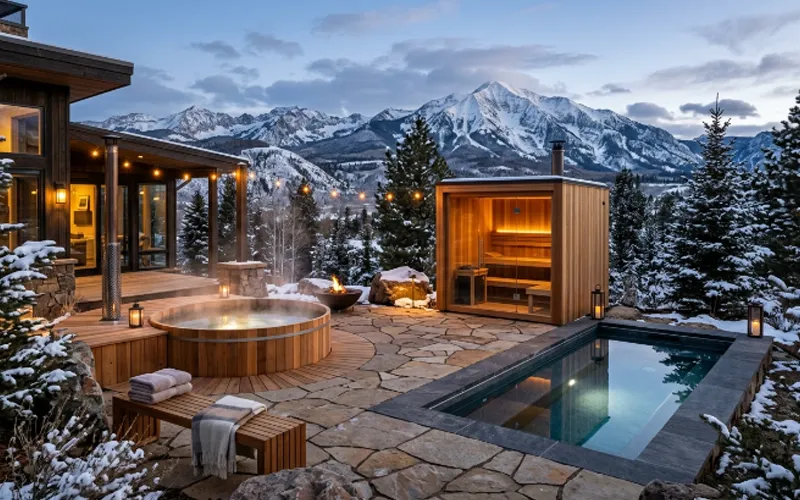
Best Home Spa Setups for Carbondale Mountain Properties
Carbondale sits at the base of Mount Sopris, surrounded by the kind of scenery that makes staying home feel like a retreat in itself. With the Roaring Fork Valley’s long winters, high-altitude sun, and endless access to hiking, biking, and skiing, it is no surprise that more homeowners are investing in a home spa in Carbondale to recover, unwind, and make the most of mountain living year-round.
Whether you are building a new mountain property from the ground up or upgrading an existing backyard, this guide covers the best home spa setups for Carbondale’s climate, terrain, and lifestyle, along with practical tips for design, placement, and maintenance.
Table of Contents
ToggleWhy a Home Spa Makes Sense in Carbondale
Carbondale’s elevation sits around 6,200 feet, and many surrounding mountain properties climb even higher. At that altitude, bodies work harder to recover from exercise, sleep can be lighter, and skin and muscles often feel the effects of dry mountain air and sun exposure. A well-designed home spa helps offset those effects in a few key ways.
- Faster muscle recovery after skiing, snowboarding, mountain biking, or hiking
- Relief from joint stiffness caused by cold winter temperatures
- A private, quiet space to decompress without driving into town
- Added property value, since outdoor living spaces are highly desirable in the local real estate market
- Year-round usability, since hot tubs and saunas perform well even in snow and sub-freezing temperatures
Because Carbondale attracts a mix of full-time residents, second homeowners, and outdoor enthusiasts, home spa setups here tend to prioritize durability, weather resistance, and views just as much as comfort.
Hot Tubs for Mountain Properties
A hot tub is often the centerpiece of a home spa in Carbondale, and for good reason. It handles the area’s cold winters well and pairs naturally with the after-ski or after-hike routine that so many locals rely on.
Choosing the Right Hot Tub
When selecting a hot tub for a mountain property, consider:
- Insulation quality, since Carbondale winters regularly drop well below freezing and a poorly insulated tub will struggle to maintain temperature efficiently
- Cover durability, as heavy snow loads require a sturdy, well-sealed cover to prevent moisture damage and heat loss
- Jet placement, favoring targeted jets for the shoulders, lower back, and legs to address common ski- and hiking-related soreness
- Capacity, based on whether the space is primarily for a couple, a family, or entertaining guests
Placement Considerations
Because many Carbondale properties sit on sloped or wooded lots, hot tub placement often requires some planning. A deck extension with reinforced footings is common for homes on uneven terrain, while ground-level patios work well on flatter lots. Positioning the tub to face Mount Sopris or the surrounding ridgelines is a popular choice, turning a soak into a scenic experience rather than just a functional one.
Saunas Built for Cold Climates
Saunas are a natural complement to Carbondale’s climate, offering deep, dry heat that feels especially good after a day in the cold. Both traditional and infrared saunas are popular choices for local homeowners.
Traditional Saunas
Traditional wood-burning or electric saunas reach higher temperatures, typically between 150 and 195 degrees Fahrenheit, and are often built using cedar or hemlock for their natural resistance to moisture and temperature swings. Many mountain homeowners choose a traditional sauna as a standalone structure near the hot tub, creating a dedicated wellness corner in the backyard.
Infrared Saunas
Infrared saunas run cooler, generally between 120 and 140 degrees Fahrenheit, and heat the body directly rather than the surrounding air. They are a popular choice for indoor installations, such as a finished basement or a converted mudroom, since they require less structural reinforcement and ventilation than a traditional sauna.
Sauna Placement Tips
- Position outdoor saunas away from prevailing winter winds to reduce heat loss when the door opens
- Choose a location with easy access from the house to avoid long walks through snow in bare feet
- If possible, orient a window or glass door toward the mountain views for a more immersive experience
- Ensure proper drainage and a stable, level foundation to handle Carbondale’s freeze and thaw cycles
Cold Plunges and Contrast Therapy
Cold plunge tubs have become an increasingly popular addition to home spa setups, especially when paired with a hot tub or sauna for contrast therapy. Alternating between hot and cold exposure is believed to support circulation, reduce inflammation, and speed up recovery after intense mountain activities like skiing, trail running, or climbing.
For Carbondale properties, a few practical notes apply:
- Insulated or chiller-equipped cold plunge tubs perform best, since relying solely on outdoor temperatures can be inconsistent throughout the seasons
- Placing the cold plunge near the hot tub or sauna makes it easier to move quickly between hot and cold exposure
- Covered or partially enclosed cold plunge areas help block wind chill during outdoor sessions in winter
Designing an Outdoor Wellness Space
Beyond individual equipment, many Carbondale homeowners are designing entire outdoor wellness areas that integrate a hot tub, sauna, and cold plunge into one cohesive space.
Materials That Hold Up to Mountain Weather
- Stone and concrete decking, which resists cracking from freeze and thaw cycles better than some wood options
- Weather-treated wood, such as cedar or thermally modified wood, for structures and privacy screening
- Metal or composite railing, which requires less maintenance than traditional wood railing in snowy conditions
- Heated pathways or mats, which help prevent ice buildup between the house and the spa area
Privacy and Views
Many mountain properties in and around Carbondale sit on larger lots, which allows for privacy without sacrificing views. Strategic landscaping, low walls, or pergolas can create a sense of enclosure while still framing views of Mount Sopris, the Crystal River Valley, or the surrounding ridgelines.
Lighting for Year-Round Use
Because Carbondale experiences long winter nights, outdoor lighting is an important part of any home spa design. Warm, low-glare lighting around decking, steps, and seating areas improves safety and extends usability into the evening, especially during the shorter days of winter.
Maintenance Tips for Mountain Climates
Keeping a home spa running smoothly in Carbondale requires a bit more attention than in milder climates.
- Check water chemistry more frequently in winter, since colder temperatures can affect chemical balance and equipment performance
- Inspect covers and seals regularly for cracking or wear caused by UV exposure at altitude and temperature swings
- Clear snow promptly from decking, steps, and equipment covers to prevent ice buildup and structural strain
- Schedule seasonal equipment checks, ideally before the first hard freeze and again before summer, to catch issues early
- Protect exposed plumbing with proper insulation or heat tape to prevent freezing during extreme cold snaps
Working With Local Professionals
Because of Carbondale’s altitude, weather, and varied terrain, local contractors can be very helpful. It is best to work with professionals who understand mountain properties.
Local experience can help with electrical and plumbing work. It can also help ensure proper support for spas on sloped lots. Professionals can recommend equipment that suits the local climate.
Consulting with a local spa or outdoor living specialist early can save time. It can also help prevent costly changes during installation.
Frequently Asked Questions
Can a hot tub really handle Carbondale winters?
Yes. A well-insulated hot tub with a quality cover can operate reliably even in sub-freezing temperatures and heavy snow, as long as it receives regular maintenance.
Is an outdoor sauna practical in a mountain climate?
Outdoor saunas work well in Carbondale as long as they are properly insulated, sealed against moisture, and positioned to minimize heat loss from wind exposure.
Do I need a permit to install a home spa in Carbondale?
Requirements vary depending on the property and structure type, so it is best to check with local building authorities or a contractor familiar with Garfield County regulations before installation.
How much space do I need for a full home spa setup?
A hot tub alone can fit in a relatively small footprint, but a combined setup with a sauna and cold plunge typically benefits from a dedicated outdoor area of at least a few hundred square feet.
What is the best way to prevent freezing pipes in an outdoor spa setup?
Insulating exposed plumbing, using heat tape in vulnerable areas, and scheduling a professional inspection before winter are the most effective ways to prevent freeze-related damage.
Is a cold plunge necessary for a home spa in Carbondale?
It is not required, but many homeowners add one to support contrast therapy routines, especially those who ski, hike, or train regularly at altitude.
How long does it take to install a full home spa setup?
Timelines vary based on complexity, but a hot tub alone can often be installed within a few weeks, while a full outdoor wellness space with a sauna and cold plunge may take several months from planning to completion.
Does altitude affect how a home spa should be designed?
Yes. Higher altitude means more intense UV exposure, faster temperature swings, and greater demands on insulation and equipment durability, all of which should factor into design and material choices.
Final Thoughts
A well-planned home spa in Carbondale offers more than relaxation. It can support recovery after mountain activities and add useful outdoor living space. It also lets homeowners enjoy the area’s beautiful scenery.
A home spa can start with a single hot tub. It can also grow into a complete outdoor wellness space with a sauna and cold plunge. The key is to choose equipment and materials that can handle Carbondale’s altitude, weather, and terrain. This helps keep the spa comfortable and functional throughout the year.
Tags