Beyond the Aesthetic: How to Choose a Wedding Videographer in Los Angeles Who Fits Your Style
Wedding inspiration is everywhere. Couples can browse entire collections of pastel garden celebrations, minimalist city weddings, vintage fashion, dramatic candlelit receptions, and elaborate destination events before they have even chosen a date. It is exciting to have so many ideas available, but the endless stream of beautiful images can make one question surprisingly difficult: what will actually feel like us?
A wedding film faces the same challenge. The camera can make clothing, architecture, flowers, and evening light look exquisite, yet none of those details automatically makes the finished video personal. A meaningful film should show how the couple occupies the space, how they interact with their guests, and what distinguishes their relationship from someone else’s.
Choosing the right filmmaker is therefore partly a question of style and partly a question of trust. Couples need someone who appreciates the visual design of the day without allowing that design to eclipse the experience. In a city as visually diverse as Los Angeles, the distinction is especially important.
Table of Contents
ToggleBegin with your personality, not an editing trend
A modern wedding can borrow from countless creative directions. One couple may enjoy classic black-tie elegance, while another loves the energy of a colorful downtown reception. A third may want a quiet ceremony with only family and close friends. None of these choices is inherently more cinematic than the others.
The wedding film should respond to the atmosphere the couple is already creating. If the celebration is understated, the edit may benefit from longer moments, soft transitions, and the sound of personal vows. If the reception is vibrant and spontaneous, the filmmaker can make space for energetic movement, laughter, and the music that defined the night.
Before comparing videographers, couples can write down three or four words that describe how they want the day to feel. The words might be “intimate,” “playful,” “elegant,” or “unstructured.” These emotional preferences are often more useful than choosing a popular video effect or asking every vendor to reproduce the same social-media reference.
The goal is not to eliminate visual inspiration. It is to use inspiration as a starting point rather than a rulebook. A film is most likely to feel timeless when it reflects the actual relationship behind the design.
Fashion looks different when it moves
Wedding clothing is usually chosen through photographs, fittings, and mirrors. Video reveals another dimension: how fabric moves when someone walks, how a veil catches the air, and how a tailored jacket changes shape as a person turns to embrace a guest.
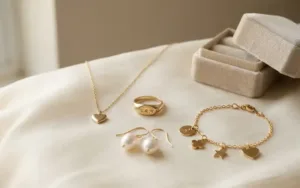
This makes movement an essential part of filming fashion details. A beautiful dress should not be reduced to a static close-up. A filmmaker may capture the texture of the material, then show how it behaves during an ordinary moment. Jewelry can be introduced through the gesture of fastening a clasp. Shoes become part of the story when someone walks toward the ceremony, not simply when they are lined up for a decorative shot.
Styling decisions can also influence exposure and color. Light fabric may appear very bright beside dark formalwear; reflective sequins and jewelry can catch tiny highlights; richly colored outfits deserve careful treatment so the tones remain recognizable. These are cinematography concerns, but they are also reasons to work with someone who pays attention to the design choices the couple has made.
The strongest fashion-focused images do more than display products. They allow the audience to see personal style as it is lived throughout the celebration.
Let the venue set the visual mood
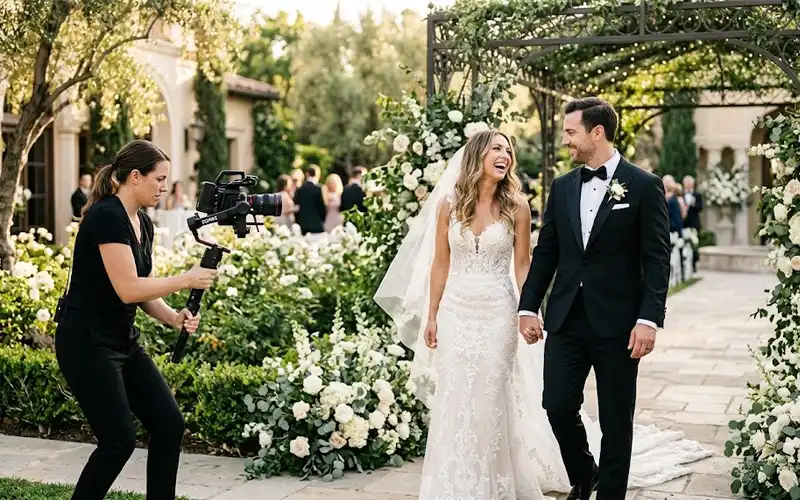
Los Angeles offers an unusual variety of wedding atmospheres. A garden restaurant in Beverly Hills creates a very different visual experience from a historic downtown ballroom or a rooftop framed by the skyline. An experienced filmmaker will notice the quality of light, available backgrounds, guest flow, and emotional rhythm of each environment.
At Il Cielo in Beverly Hills, for example, the intimate garden setting invites a softer approach than a high-energy urban location. When photographing or filming a romantic moment in a setting like this, I pay attention to how the couple fits into the surrounding light and architecture rather than asking them to repeat a collection of elaborate poses. Sometimes a small change in position is enough to create a stronger frame.
That experience reinforced something I return to often: good direction should feel more like helping people settle into a moment than turning the moment into a performance. The venue may provide a beautiful backdrop, but it is the couple’s ease with each other that makes the image believable.
A prospective filmmaker should be able to explain how they would handle a venue’s strengths and limitations. If the lighting changes during the day or the portrait space is crowded, their plan should adapt without requiring the couple to lose the atmosphere they chose the location for.
A natural wedding film still involves thoughtful direction
Some couples worry that being filmed means they will be constantly told where to stand, how to hold hands, or when to repeat a kiss. Others worry about the opposite: that without guidance, they will look uncomfortable on camera. Good wedding filmmaking exists between those extremes.
During portraits, simple prompts can be useful. A filmmaker might suggest walking slowly through a space, turning toward each other, or pausing near more flattering natural light. These suggestions create an opportunity for comfortable movement; they do not need to dictate every expression.
During a ceremony, speech, or meaningful family exchange, intervention becomes much less appropriate. Those moments already contain their own action and emotion. The filmmaker’s responsibility is to anticipate, frame, and preserve them as they unfold.
Couples should watch how people behave in prospective vendors’ portfolios. Do they look at ease? Are their interactions varied, or does everyone appear to be performing the same short sequence of poses? If the film repeatedly interrupts genuine moments for aesthetic perfection, that may not be the right fit for someone who wants a more documentary experience.
A little direction can help people feel comfortable. Too much direction can make them feel like strangers in their own wedding film.
Choose a color palette that will still feel recognizable
Wedding trends influence the look of films just as they influence stationery, table design, and fashion. Some styles favor muted colors, others create dramatic contrast, and others rely on deliberately warm highlights. These choices can be attractive, but they should complement the real event.
Consider a ceremony filled with fresh greenery and vibrant floral arrangements. An overly desaturated edit could erase colors that were central to the couple’s design. Conversely, aggressive saturation may make skin tones and clothing look unnatural. Color grading should create consistency and mood while preserving the character of the environment.
Lighting is equally important. A candlelit reception is meant to feel warm and intimate. The challenge is preserving enough detail to see faces without making the room look as though it was illuminated for a commercial shoot. A filmmaker can use carefully positioned light, sensitive camera settings, and intentional framing to support the atmosphere rather than flatten it.
Ask to see complete films shot in different conditions. A creator who works convincingly in both bright daylight and dim reception lighting is demonstrating flexibility, not merely a signature filter.
Sound is part of personal style, too
Visual style receives most of the attention in wedding planning, but spoken words make a film unmistakably personal. A couple’s vows reveal their sense of humor, values, and shared history. Speeches introduce the friends and relatives who know them beyond the wedding-day presentation.
Those voices can become the film’s narrative thread. An editor may use a meaningful line from a vow to connect preparation footage to the ceremony, or let laughter from a toast carry into reception images. This allows the film to move through time without relying entirely on a music track.
Clear recording requires preparation. Wind, venue acoustics, microphone placement, and the quality of the sound system all affect the result. Couples should ask how a filmmaker intends to record vows and speeches and whether there are backup sources.
It is also worth considering the music itself. A dramatic soundtrack may make an ordinary scene seem temporarily grand, but music that overwhelms every spoken exchange can leave little room for the couple’s own identity. The soundtrack should support the people, not speak over them.
Notice how the filmmaker represents friends and family
A wedding often brings people together who have not seen one another for years. Their clothing, traditions, gestures, and reactions give the celebration its wider identity. A video that concentrates exclusively on the couple’s fashion portraits may create a beautiful lookbook while missing the social story around it.
For many couples, one of the greatest pleasures of watching a wedding film is noticing a detail they did not see on the day. Perhaps a parent smiled quietly as the vows began. Maybe two guests exchanged a look during a speech. A child may have danced with complete confidence while adults stayed near the edge of the floor.
These scenes contribute texture and emotional variety. They also make the film more meaningful to relatives and future family members who want to understand not just how the couple looked, but the atmosphere of the gathering.
When reviewing portfolios, look for how well the filmmaker balances portraits, fashion details, ceremony coverage, and authentic guest interaction. That balance tells you more about their priorities than a handful of spectacular shots.
Find a filmmaker who understands your kind of celebration
Hiring a wedding videographer in Los Angeles should involve more than comparing highlight reels by length or price. It helps to understand whether the creator’s working style fits the couple’s priorities.
Some weddings are quiet and intimate. Others feature elaborate cultural traditions, multiple locations, or an energetic evening program. Couples should ask how the filmmaker prepares for important rituals, collaborates with planners and photographers, and adapts to a tight schedule or unexpected changes.
Practical questions also matter. What is included in the final delivery? Will there be a short highlight, full ceremony film, or edited speeches? What is the expected timeline? Does the filmmaker record professional audio and maintain backup equipment? Clear answers make it easier to compare services without relying on vague promises of “cinematic quality.”
The best match is someone whose work makes the couple feel understood. If they value candid interactions more than elaborate poses, they should say so. If fashion and artistic portraiture are central to the day, that is equally important information to share.
Plan for a good experience, not only good footage
Beautiful filmmaking benefits from a thoughtful schedule, but a couple should not have to spend the entire day performing for the camera. A realistic portrait window, well-communicated ceremony details, and a few minutes of breathing room between events can give the creative team what it needs without turning the celebration into a production.
Trust also helps. Once the couple has chosen professionals whose style feels right, they can focus on being present with each other and their guests. Some of the most photogenic moments arrive precisely when people stop wondering how they look.
A wedding film should hold onto the choices that made the celebration distinctive: the outfit that felt like an extension of personal style, the setting that suited the relationship, the people who filled the room, and the spontaneous moments that no inspiration board could predict.
The result does not have to resemble the most popular wedding video of the season. It should resemble the couple. That is the difference between collecting fashionable images and preserving a love story that will remain meaningful when the trends have changed.
Frequently Asked Questions
- How do I choose a wedding videographer in Los Angeles?
Choose a wedding videographer whose portfolio matches your style, whether you prefer natural moments, cinematic storytelling, or elegant fashion-focused shots. Check their experience, packages, audio quality, and delivery timeline before booking.
- How much does a wedding videographer cost in Los Angeles?
Wedding videography prices in Los Angeles vary depending on the filmmaker’s experience, coverage hours, editing style, and package details. Request quotes from several professionals and compare what each package includes.
- What should I look for in a wedding videographer’s portfolio?
Look for complete wedding films rather than only short highlight reels. Pay attention to color quality, lighting, sound, emotional moments, guest interactions, and how naturally the couple appears on camera.
- What is the difference between cinematic and documentary wedding videography?
Cinematic wedding videography often uses artistic framing, carefully edited sequences, and music to create a movie-like experience. Documentary wedding videography focuses more on real events, candid interactions, and genuine moments as they happen.
- How can I make my wedding video feel personal?
Share your personalities, favorite memories, preferred music styles, and visual inspirations with your videographer. Discuss the moments and people that matter most so the final film reflects your relationship rather than simply following current trends.
- When should I book a wedding videographer in Los Angeles?
Booking several months in advance is a good idea, especially for popular wedding dates and busy seasons. Contact your preferred videographers as soon as your wedding date and venue are confirmed.
- How important is sound quality in a wedding film?
Sound quality is essential because vows, speeches, laughter, and personal messages help tell your story. Ask whether the videographer uses dedicated microphones and backup audio recording methods to protect important moments.
- What should a wedding videography package include?
A package may include wedding-day coverage, a highlight film, ceremony footage, edited speeches, professional audio, and digital delivery. Confirm the coverage hours, final video length, editing options, delivery timeline, and any additional fees before booking.