











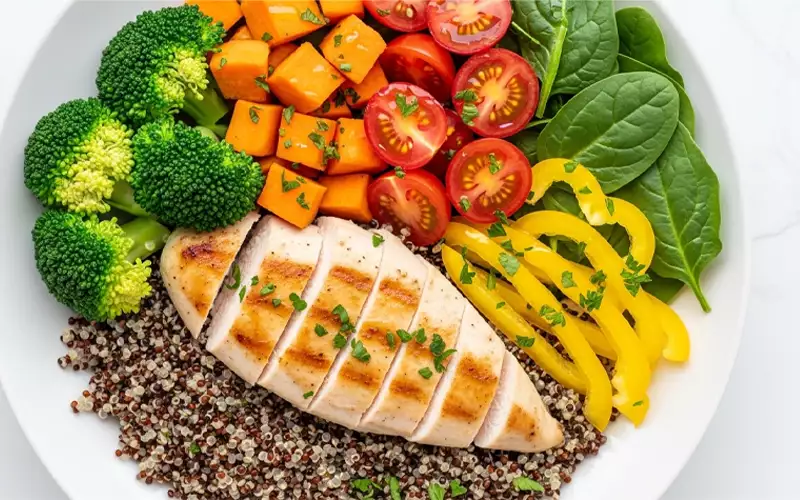
Maintaining a healthy weight can sometimes feel challenging, but choosing the right meals makes it much easier. One way I’ve found effective is focusing on low calorie meals. These meals not only help reduce extra fat but also give your body the energy and nutrients it needs to feel strong and active. Eating low calorie doesn’t mean your food has to be boring or tasteless. By including a mix of fresh vegetables, lean proteins like chicken or fish, and wholesome grains, you can enjoy meals that are both healthy and satisfying. Personally, I’ve noticed that planning meals this way keeps me full for longer, helps me avoid unnecessary snacking, and still lets me enjoy flavors I love. With a little creativity in the kitchen, eating healthy can actually be fun rather than a chore.
When planning your meals, I’ve found that focusing on high protein low calorie meals can make a big difference in staying full and energized throughout the day. Protein not only helps curb cravings but also supports muscle growth and overall strength. I like using ingredients like chicken breast, fish, tofu, eggs, lentils, or low-fat yogurt because they are easy to cook and packed with protein. Pairing these with fresh vegetables and whole grains turns these meals into satisfying, nutritious options that keep me on track with my weight goals. Personally, having a plate like this leaves me feeling full and energized, without ever feeling like I’m sacrificing taste. It’s amazing how choosing the right high protein low calorie meals can make your daily eating both healthy and enjoyable.
Understanding Low Calorie Meals
A low calorie meal is a meal designed to have fewer calories than your usual dishes, while still giving your body the nutrients it needs, like protein, fiber, vitamins, and minerals. Typically, these meals range from about 300 to 500 calories per serving, depending on your daily needs. The main goal is to create a calorie deficit that can help with weight loss, but without leaving you feeling hungry or deprived. I’ve found that planning meals this way, with plenty of vegetables, lean proteins, and whole grains, makes it easy to enjoy healthy food while still reaching my fitness goals. Eating low calorie doesn’t have to be boring—there are so many tasty options if you get a little creative in the kitchen.
I’ve noticed that high volume low calorie meals are a real game-changer when you want to enjoy bigger portions without overdoing your calories. Foods like fresh vegetables, leafy greens, and broth-based soups are my favorites because they make the plate look full and satisfying. Including these kinds of meals in your daily diet means you can enjoy generous portions that leave you feeling full and energized, all while staying within your calorie goals. Personally, I love starting my lunch with a big vegetable soup or a colorful salad—it feels like I’m having a hearty meal, but it’s still light and healthy.
Benefits of Eating Low Calorie Meals
Incorporating low calorie meals into your daily routine provides a range of health benefits. For starters, they help with weight management by making sure you consume fewer calories than you burn. This steady reduction in caloric intake supports fat loss while helping to maintain muscle mass, especially when meals are rich in protein. Another advantage of eating low calorie meals is more stable energy throughout the day. Meals balanced with protein, fiber, and complex carbohydrates help prevent the energy spikes and crashes often caused by sugary or fried foods.
Moreover, eating healthy low calorie meals can greatly support digestion. Many of these meals are packed with fiber from fruits, vegetables, and whole grains, which promotes a healthy gut and helps reduce bloating. Heart health is another key benefit. By cutting down on unhealthy fats and refined sugars, these meals can help lower cholesterol and blood pressure, supporting overall cardiovascular wellness. Consistently eating low calorie meals also benefits mental clarity, as your brain receives a steady supply of nutrient-rich fuel. In short, these meals are vital for anyone aiming to maintain long-term health and well-being.
Breakfast Ideas for Low Calorie Meals
Breakfast sets the tone for your day, and beginning with easy low calorie meals can play a crucial role in maintaining healthy habits. A breakfast that is rich in protein and fiber helps you stay full until lunch and prevents overeating later in the day. For instance, oatmeal prepared with water or low-fat milk, topped with fresh fruits such as berries or banana, offers a nutritious start while keeping calories low.
Another great option is a Greek yogurt parfait layered with fresh fruits and a small sprinkle of granola. Greek yogurt is rich in protein, helping you feel full for longer periods. Egg-based breakfasts, like a veggie omelette made with egg whites and fresh vegetables, are also perfect examples of a high protein low calorie meal. These meals are not only simple to prepare but also highly versatile, allowing you to mix in different vegetables and seasonings to suit your taste.
Smoothie bowls made with spinach, banana, and berries, blended with a scoop of protein powder, offer a refreshing and satisfying breakfast. When topped with chia seeds or nuts, these smoothies turn into nutrient-rich meals, ideal for anyone enjoying a low calorie meal. Beginning your day with such options helps support a healthy metabolism and provides sustained energy throughout the morning.
Lunch Options for Low Calorie Meals
Lunch is often the biggest meal of the day, and I’ve found it can be tricky to stay full without overeating. That’s where high volume low calorie meals come in handy—they fill up your plate and your stomach without piling on extra calories. One of my favorite options is a grilled chicken salad loaded with fresh vegetables like lettuce, cucumbers, tomatoes, and carrots. I like to dress it lightly with a squeeze of lemon juice and just a tiny drizzle of olive oil. It’s simple, satisfying, and keeps me energized through the afternoon without feeling heavy or sluggish.
Quinoa bowls with roasted vegetables and lean proteins such as chicken, tofu, or shrimp provide a good balance of fiber and protein, making them highly satisfying. Lentil-based meals, such as lentil soup or lentil salad, are excellent sources of plant-based protein and fiber, making them ideal healthy low calorie meals. Vegetable wraps made with whole wheat tortillas, grilled vegetables, and lean protein offer a convenient option that is simple to prepare and easy to take to work or school.
Choosing these types of meals for lunch allows for a calorie deficit while still enjoying generous, satisfying portions. Combining protein with fiber-rich foods helps maintain fullness and energy throughout the afternoon.
Dinner Ideas for Low Calorie Meals
Dinner should be light, nutritious, and easy to digest. Choosing easy low calorie meals for dinner helps prevent consuming extra calories late in the day. Baked salmon served with steamed vegetables such as broccoli, zucchini, and carrots provides a high protein low calorie meal that supports muscle repair and overall health.
Stir-fried tofu with mixed vegetables is another excellent option, particularly for vegetarians, as it absorbs flavors well while providing protein without adding many calories. Chicken and vegetable soups, prepared with minimal oil and a variety of spices, are both satisfying and low in calories. For those aiming to reduce carbohydrate intake, zucchini noodles paired with tomato-based sauces and grilled protein like chicken or shrimp offer a tasty, low-calorie alternative to traditional pasta.
These dinner options not only support weight management but also ensure balanced nutrition, helping the body receive essential nutrients even during a low-calorie evening meal.
Snacks and Small Meals
Eating healthy low calorie meals doesn’t mean skipping snacks. Selecting the right snacks can help prevent overeating during main meals. Fruits such as apples, berries, and oranges are naturally low in calories and packed with nutrients. Combining them with a small handful of nuts or seeds provides a satisfying mix of protein, fiber, and healthy fats.
Vegetable sticks, including carrots, cucumbers, and celery, served with hummus, offer crunch, flavor, and fiber while keeping calories under control. Low-fat dairy options, such as cottage cheese paired with sliced vegetables or fruits, are also light and protein-rich snack choices. Even rice cakes topped with avocado can serve as a filling, low-calorie snack that helps maintain steady energy between meals. Incorporating these snacks into a daily routine supports metabolism and helps prevent unhealthy cravings.
Low Calorie Meals Fast Food Alternatives
Many people assume that following a low-calorie diet means giving up fast food entirely, but with smart choices, it is still possible to enjoy it without affecting your goals. Many restaurants now offer low calorie meals fast food options. For example, a grilled chicken sandwich without heavy sauces provides protein and flavor while keeping calories under control.
Salads with lean proteins such as chicken, turkey, or tofu can also serve as healthy fast food choices. Selecting vinegar- or lemon-based dressings instead of creamy sauces keeps the meal light. Whole wheat wraps or bowls with grilled protein and vegetables offer convenient and satisfying alternatives. Some fast food restaurants even provide fruit smoothies made with yogurt, which can serve as a nutritious and low-calorie meal option. By making mindful decisions, fast food can be enjoyed occasionally while staying on track with a low-calorie eating plan.
Tips for Creating Low Calorie Meals
Creating high volume low calorie meals that keep you full requires thoughtful planning. Including protein in every meal is essential, as it promotes satiety and helps preserve lean muscle mass. Filling your plate with vegetables adds volume without significantly increasing calorie intake. Choosing cooking methods such as steaming, grilling, or baking is healthier than frying in oil.
Drinking water before meals can help prevent overeating, since thirst is often mistaken for hunger. Avoiding sugary drinks and snacks is also important, as they add calories without providing nutritional value. Planning meals ahead of time ensures that calorie goals are met and reduces the risk of last-minute high-calorie choices. Following these strategies makes eating low calorie meals more effective, manageable, and sustainable for long-term health.
High Protein Low Calorie Meal Examples
For those looking to maximize protein while keeping calories low, there are many meal options that fit perfectly. Egg white scrambles with vegetables such as spinach and mushrooms provide a light, protein-rich breakfast. Grilled chicken served with quinoa and steamed broccoli offers a balanced lunch or dinner that promotes fullness and sustained energy.
Tuna salads made with water-packed tuna, fresh vegetables, and minimal dressing serve as an ideal high protein low calorie meal for lunch. Cottage cheese paired with cucumber and tomato is another satisfying option for a snack or light meal. These high protein low calorie meals are particularly beneficial for individuals who exercise regularly or aim to build lean muscle while reducing body fat.
Best Low Calorie Meals for Weight Loss
The most effective low calorie meals are those that balance taste, nutrition, and satiety. Rotating options such as chicken and vegetable stir-fry, baked salmon with asparagus, lentil and spinach soup, quinoa salad with chickpeas, and Greek yogurt with berries adds variety and prevents diet fatigue. These meals are not only low in calories but also nutrient-rich, helping maintain fullness while supporting weight loss goals.
Incorporating such meals into a weekly plan encourages consistency, which is essential for long-term results. Preparing meals ahead of time and experimenting with different flavors makes healthy eating enjoyable rather than restrictive.
FAQs
- What are low calorie meals and why are they important?
Low calorie meals are foods that provide fewer calories than a regular meal while still supplying essential nutrients like protein, fiber, vitamins, and minerals. They are important for weight loss, maintaining energy levels, and supporting overall health. - Can I lose weight by eating only low calorie meals?
Yes, eating low calorie meals can help you lose weight if you maintain a calorie deficit, meaning you burn more calories than you consume. Combining these meals with regular exercise makes weight loss more effective. - What are some examples of easy low calorie meals?
Easy low calorie meals include vegetable omelettes, oatmeal with fruits, grilled chicken salads, quinoa bowls with vegetables, and smoothies made with spinach, fruits, and protein powder. These meals are quick to prepare and nutritious. - Are high protein low calorie meals better for weight loss?
Yes, high protein low calorie meals are excellent for weight loss because protein keeps you full for longer, reduces cravings, and supports muscle growth while minimizing fat gain. - Can I eat low calorie meals at fast food restaurants?
Yes, there are many low calorie meals fast food options. You can choose grilled chicken sandwiches, salads with lean protein, wraps, bowls with vegetables and protein, or fruit smoothies with low-fat yogurt. Avoid creamy dressings and fried items. - How do I make my meals more filling without adding calories?
You can make high volume low calorie meals by adding more vegetables, leafy greens, and fiber-rich foods. These increase meal volume and help you feel full while keeping calories low. - Are low calorie meals healthy for everyone?
Generally, low calorie meals are healthy for most people. However, they should be balanced with protein, healthy fats, and essential nutrients. People with medical conditions or high energy needs should consult a nutritionist before reducing calories. - What are the best low calorie meals for weight loss?
The best low calorie meals include baked salmon with vegetables, grilled chicken with quinoa, lentil and spinach soup, vegetable stir fry with tofu, and Greek yogurt with berries. These meals are nutrient-rich, satisfying, and low in calories. - Can I eat low calorie meals every day?
Yes, eating healthy low calorie meals daily is safe and beneficial for weight management. Variety is important to ensure your diet provides all essential nutrients and does not feel repetitive. - How can I plan low calorie meals for the whole week?
To plan your meals, focus on protein, vegetables, and whole grains. Prepare meals in advance, rotate different recipes, and include a mix of breakfast, lunch, dinner, and snacks. This ensures consistent calorie control and avoids unhealthy food choices.
Conclusion
Eating low calorie meals is an effective and practical way to lose weight while supporting overall health. Focusing on easy low calorie meals, high protein low calorie meals, and high volume low calorie meals allows for tasty, satisfying meals that help achieve weight management goals. Even when dining out, making smart choices such as low calorie meals fast food options can keep progress on track. Consistency, planning, and balance are key factors for long-term success.
Integrating these meal strategies into a daily routine enables sustainable weight loss while enjoying a variety of flavorful foods. The most effective weight loss plan is one that is both maintainable and enjoyable. Including healthy low calorie meals in your diet ensures that you experience benefits not only in the short term but also over the long term.






Add comment