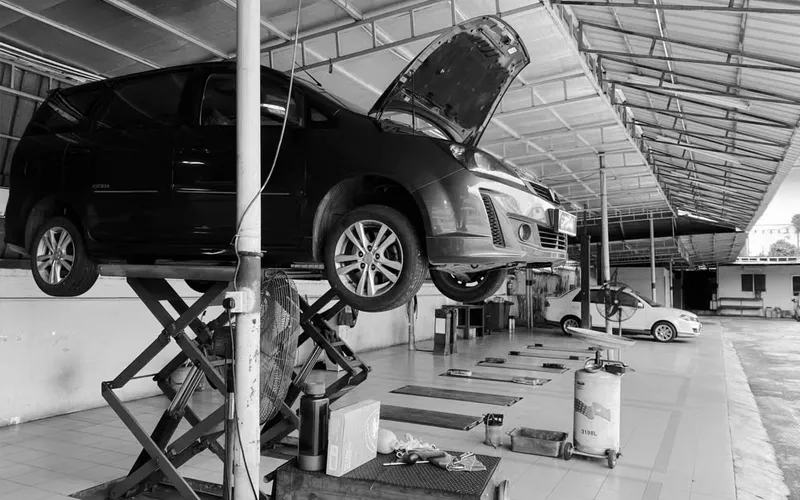
Changing a flat tire is much easier when you have the right lifting equipment in the trunk. An electric car lift jack can raise a vehicle with motor-driven power instead of requiring the user to turn a traditional jack handle by hand. For drivers who regularly travel long distances, tow vehicles, or simply want a quicker way to handle roadside tire changes, this can be a useful addition to an emergency kit. The key is choosing a jack with enough capacity, a suitable lifting range, stable contact with the vehicle, and dependable power.
An electric scissor jack is one of the common designs used for this purpose, although electric hydraulic models are also available. The right choice depends on the vehicle’s weight, ground clearance, lifting points, and the type of work you plan to perform. A jack should never be selected only because its maximum capacity looks impressive. It also needs to match the vehicle manufacturer’s lifting instructions and provide a stable setup on a suitable surface.
What Makes an Electric Car Jack Different?
A powered jack uses an electric motor to perform the lifting movement, reducing the physical effort needed from the driver. Many portable models connect to a vehicle’s 12-volt electrical system, while some designs use rechargeable batteries. Depending on the model, the control panel may include up and down controls, an LED work light, a pressure display, or other emergency features.
The biggest advantage is convenience during roadside repairs. Instead of manually operating a mechanical jack for every turn, the user can control the lifting mechanism with buttons or a remote. Some kits combine the jack with an impact wrench and tire inflator, creating a compact roadside repair setup rather than a jack alone.
How an Electric Scissor Jack Lifts a Vehicle

electric car lift jack
The scissor mechanism uses crossing metal arms that extend as a threaded screw moves through the assembly. When the motor turns the screw, the arms spread and raise the saddle toward the vehicle’s approved lifting point. This design is relatively compact, which makes an electric scissor jack practical for storage in a trunk or emergency equipment compartment.
The lifting range matters just as much as the rated capacity. A jack may support a heavy vehicle but still be unsuitable if its minimum height is too high for the vehicle or its maximum height is too low to lift the tire clear of the ground. Always compare the jack’s lifting range with the vehicle’s actual ground clearance and the manufacturer’s recommended lifting points..
Understanding Jack Capacity Before Buying
Capacity tells you the maximum load a jack is designed to support. However, this does not mean you can lift any vehicle below that limit. You should also check the jack’s other specifications.
For example, a jack rated at 5 tons or 11,000 pounds has a stated maximum capacity. However, the vehicle’s weight distribution also matters. The load reaching the individual lifting point can vary.
You should also use the correct lifting point. Do not lift a vehicle at an arbitrary location just because the jack fits underneath it.
Many portable electric car jacks are marketed for sedans, SUVs, pickups, and similar vehicles. Some current models specify capacities around 5 tons and lifting ranges extending from roughly 6 inches to more than 17 inches, depending on the configuration. These specifications can make a jack versatile, but the manufacturer’s instructions for the specific vehicle remain the final reference.
Why Lifting Range Deserves More Attention
Drivers often focus on lifting capacity and overlook minimum and maximum height. That can cause problems when a vehicle sits very close to the ground or requires substantial clearance before the tire can be removed. A low-profile vehicle may need a jack with a lower starting height, while an SUV or pickup may require more extension.
Some electric jacks use an adjustable or extended lifting section to accommodate different vehicle heights. Before purchasing, measure the approximate distance between the ground and the approved lifting point, particularly if the vehicle has modified suspension, oversized tires, or unusually low clearance. Matching these measurements to the jack’s published range helps prevent an otherwise capable jack from becoming impractical.
Power Options and Roadside Reliability
A portable electric jack is only useful if it has a dependable source of power when you need it. Many 12-volt models can draw power through a vehicle’s accessory socket or connect directly to the battery with clamps. Battery-powered versions eliminate the need for a cable running to the vehicle, but the battery must remain charged and stored correctly.
Power demand is another consideration. A motor lifting a heavy load can draw substantial current, so users should follow the manufacturer’s requirements for electrical connections and avoid relying on damaged cables, loose connections, or unsuitable extension arrangements. Some models also include manual lowering or other backup mechanisms, which can be valuable if electrical power is interrupted.
Safety Starts Before the Motor Runs
An electric motor doesn’t make vehicle lifting risk-free. Park on a firm, level surface whenever possible, engage the parking brake, and follow the vehicle manufacturer’s instructions for the approved lifting points. Wheel chocks can provide additional protection against unwanted movement, especially when lifting one side or one corner.
The saddle should sit squarely against the intended lifting point, and the jack should remain stable throughout the lift. Never exceed the rated capacity, and do not improvise a lifting location because the recommended point is inconvenient. Vehicle manufacturers can specify very particular areas for lifting, and some modern vehicles have components underneath that should not carry jack loads.
Jack Stands Are Not Optional for Under-Car Work
A vehicle jack is primarily a lifting device, not a substitute for a permanent support system. If you need to work underneath a vehicle, use properly rated jack stands positioned at the manufacturer’s approved support points. NHTSA vehicle guidance specifically warns against getting underneath a vehicle supported by a jack alone.
This distinction matters because a jack can lose stability or fail, and even a small movement can create a serious hazard. Jack stand quality matters too; recalls have occurred involving stands that could suddenly collapse under load. For a simple roadside tire change, keep the task limited to what the vehicle and jack instructions allow, and never place any part of your body beneath an unsupported vehicle.
Useful Features for Emergency Tire Changes
Not every electric jack has the same feature set. A basic model may focus only on powered lifting, while a larger kit can combine several roadside tools. The useful features depend on how you expect to use the equipment.
Look for features such as:
- A clearly marked up and down control
- A stable, wide base
- A non-slip saddle
- A suitable lifting range
- Overload protection where provided
- An LED work light for nighttime repairs
- A manual lowering or emergency-release function
- A 12-volt power connection or rechargeable battery
- A built-in tire inflator on combination kits
- A carrying case for organized storage
Some combination kits include an inflator and electric impact wrench alongside the jack. One current 5-ton kit, for example, lists a 12-volt jack, built-in compressor, and impact wrench with a stated maximum torque of 420 N·m. These extras can reduce the number of separate tools required during a roadside tire change, but they also add components that should be inspected and maintained.
Electric Jack or Manual Jack?
A manual jack is usually simpler because it does not depend on a motor, battery, or electrical connection. It can also be useful as a backup when electrical equipment has a problem. Its drawback is that lifting requires more physical effort, particularly when the vehicle needs to be raised several inches.
An electric model is more convenient when speed and reduced physical effort are priorities. However, it introduces additional considerations such as electrical power, motor operation, battery condition, and electronic controls. For frequent travelers, carrying an electric jack alongside a suitable backup plan can offer convenience without relying on a single piece of equipment for every situation.
Getting the Most From a Portable Electric Jack
Before putting the jack in your vehicle, test its controls and inspect the power cable, plug, saddle, base, and lifting mechanism. Store the equipment where it will remain dry and protected from unnecessary impacts. If the model uses a rechargeable battery, check the manufacturer’s storage and charging recommendations instead of leaving it unused for long periods.
It is also smart to practice positioning the jack at home. A roadside emergency is a poor time to discover that the cable cannot reach the power source or that the jack does not fit comfortably under the vehicle. Knowing the correct lifting point and understanding how the controls work can make an actual tire change much calmer and safer.
Common Mistakes That Can Make Lifting Unsafe
One of the most serious mistakes is placing the jack on soft, uneven, or unstable ground. Another is lifting from a location that looks strong but is not approved by the vehicle manufacturer. Using a jack beyond its rated capacity or continuing to operate it when the vehicle is unstable can also create unnecessary risk.
Drivers sometimes focus so much on getting the tire off the ground that they forget to monitor the jack during lifting. Watch the contact point and the base as the vehicle rises, and stop immediately if the saddle shifts, the vehicle moves unexpectedly, or the jack begins leaning. A portable jack should make a tire change easier, not encourage shortcuts.
Choosing the Right Electric Car Lift Jack
Start with the vehicle rather than the jack. Check the vehicle’s curb weight or relevant loaded weight, approved lifting points, minimum clearance, and the amount of height required to remove the tire. Then compare those requirements against the jack’s capacity, lifting range, power requirements, base dimensions, and safety features.
For drivers who want an emergency tire-changing tool, a compact electric model with an appropriate capacity and lifting range may be enough. Someone who regularly works on heavier vehicles may prefer a higher-capacity design with a larger operating range and additional tools. The best jack is ultimately the one whose specifications match the vehicle and whose operating instructions you can follow safely.
FAQs About Electric Car Lift Jacks
How much weight can an electric car jack lift?
The capacity depends on the specific model. Portable electric jacks are available in different ratings, including models designed around 5 tons or 11,000 pounds. Always compare the published capacity with your vehicle’s requirements rather than assuming every electric jack can lift every car.
Is an electric scissor jack safe to use?
It can be safe when used within its rated capacity and according to the vehicle and jack manufacturer’s instructions. The vehicle should be on suitable ground, the jack should contact the approved lifting point correctly, and the load should remain stable. A jack alone should not be treated as support for a person working underneath a vehicle.
Can an electric car jack change a flat tire?
Yes, an appropriately sized electric jack can raise the vehicle enough to remove a wheel. Always follow the manufacturer’s instructions when using the jack. Some kits also include an impact wrench, which can make removing and reinstalling lug nuts easier. Make sure the vehicle sits securely and remains stable before removing the tire.
Does an electric jack need a car battery?
Not always. Some models connect to a vehicle’s 12-volt system, while others use rechargeable batteries. Certain designs offer more than one power option, giving the user additional flexibility during roadside emergencies.
Can I work underneath a vehicle lifted by an electric jack?
No. A powered jack cannot replace properly rated support stands when you need to work underneath a vehicle. Vehicle manufacturers and government safety agencies recommend using proper support stands. They also warn against going underneath a vehicle that rests only on a jack.
What should I check before buying an electric car jack?
Check the rated capacity, minimum and maximum lifting height, power source, saddle design, base stability, vehicle compatibility, operating controls, and any backup lowering system. Also check whether the jack reaches the manufacturer’s approved lifting point without interference from bodywork or underbody components. These details are more useful than choosing a jack based on capacity alone.