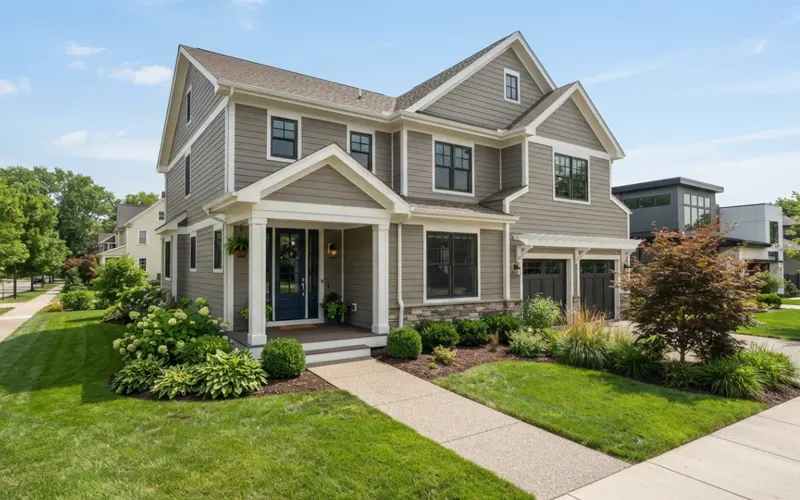
Fiber Cement Siding: Is the Extra Cost Worth It?
When it comes time to replace or upgrade the siding on your home, one material tends to come up again and again in conversations with contractors and homeowners alike: fiber cement. It has built a reputation as one of the most durable and long-lasting siding options on the market, but it also comes with a higher price tag than vinyl or wood alternatives. That naturally raises the question every homeowner asks before making a major investment. Is the extra cost actually worth it?
This guide breaks down what fiber cement siding is, how it compares to other common materials, and what factors should influence your decision, so you can weigh the upfront investment against the long-term value with real information instead of guesswork.
Table of Contents
ToggleWhat Is Fiber Cement Siding?
Fiber cement siding is made from cement, sand, and cellulose fibers. Manufacturers form this mixture into planks, panels, or shingles. These products can mimic the look of wood, stucco, or masonry.
James Hardie is one of the best-known brands in this category. Because of its popularity, people often use the term “Hardie board” when talking about fiber cement siding. However, other manufacturers also produce fiber cement siding.
The material is designed to resist many common siding problems. These include moisture damage, insects, fire exposure, and warping. Fiber cement also offers plenty of design options. This combination makes it a popular choice for new homes and renovation projects in many climates.
How Fiber Cement Compares to Other Siding Materials
To understand whether the extra cost is justified, it helps to see how fiber cement stacks up against the most common alternatives homeowners consider.
Vinyl Siding
- Cost: Vinyl is generally the least expensive siding option upfront, both in materials and installation labor.
- Durability: Vinyl can crack, fade, or warp over time, especially in areas with intense sun or temperature swings.
- Maintenance: Low maintenance, but damaged sections often need full panel replacement rather than spot repair.
- Lifespan: Typically 20 to 30 years under good conditions.
Wood Siding
- Cost: Mid-range to high, depending on the wood species chosen.
- Durability: Vulnerable to moisture, rot, insects, and warping without consistent upkeep.
- Maintenance: Requires regular painting or staining, often every three to five years, to maintain appearance and protection.
- Lifespan: Can last decades with diligent maintenance, but is one of the more labor-intensive options to own.
Fiber Cement Siding
- Cost: Higher upfront cost than vinyl, often comparable to or slightly less than higher-end wood siding.
- Durability: Highly resistant to moisture, rot, insects, fire, and impact damage compared to both vinyl and wood.
- Maintenance: Requires occasional repainting, generally every 10 to 15 years, far less frequently than wood.
- Lifespan: Many products carry warranties of 30 to 50 years, with real-world performance often exceeding that of vinyl and untreated wood.
The Key Benefits of Fiber Cement Siding
Fiber cement has earned its premium price tag through a combination of performance advantages that are hard to match with other materials.
- Weather resistance: Fiber cement holds up well against rain, humidity, wind-driven debris, and temperature fluctuations, making it a strong choice in regions with variable or severe weather.
- Fire resistance: Unlike wood and vinyl, fiber cement is noncombustible, which can provide added peace of mind and, in some cases, insurance benefits.
- Insect resistance: Termites and other wood-boring pests have no interest in fiber cement, removing a common concern associated with wood siding.
- Design versatility: Fiber cement is available in a wide range of textures and profiles, including options that closely mimic wood grain, shingles, or smooth painted finishes.
- Long lifespan: With proper installation and occasional maintenance, fiber cement siding can last several decades longer than vinyl and require far less upkeep than wood.
- Increased home value: Because of its durability and curb appeal, fiber cement siding is often cited as one of the exterior upgrades that offers a strong return on investment when selling a home.
The Drawbacks to Consider
No material is without trade-offs, and fiber cement has a few factors homeowners should weigh carefully before committing.
- Higher upfront cost: Both materials and labor tend to be more expensive than vinyl, which can be a barrier for budget-conscious projects.
- Installation complexity: Fiber cement is heavier and more labor-intensive to install than vinyl, requiring specialized tools and cutting techniques to avoid silica dust exposure.
- Professional installation is essential: Improper installation, such as incorrect fastening or inadequate sealing at joints, can lead to moisture problems down the road, even with a naturally durable material.
- Repainting eventually needed: While less frequent than wood, fiber cement does require repainting over time to maintain its appearance and protective coating.
Calculating the Long-Term Value
When comparing siding options purely on sticker price, vinyl almost always looks like the more attractive choice. But total cost of ownership tells a more complete story.
Over a 30-year period, a vinyl siding installation might require one or two full replacements due to cracking, fading, or storm damage, along with the labor costs that come with each replacement. Wood siding, while potentially lasting a similar timeframe, requires consistent investment in painting, staining, and repairs to prevent rot and insect damage.
Fiber cement, by contrast, is often installed once and maintained with occasional repainting, without the need for full replacement within that same 30-year window. When you factor in reduced maintenance costs, fewer repairs, and a longer functional lifespan, the total cost of ownership for fiber cement frequently comes out even with, or lower than, cheaper materials that require more frequent attention.
Resale value is another important piece of the equation. Many real estate professionals note that updated fiber cement siding is a selling point that buyers notice, particularly because it signals lower future maintenance costs and stronger durability against weather events.
Regional Considerations for Installation
Climate plays a significant role in how well any siding material performs, and fiber cement is no exception. In regions that experience high humidity, coastal weather patterns, or frequent storms, the material’s resistance to moisture and impact damage becomes especially valuable.
Proper installation is just as important as the material choice itself. Fiber cement needs to be installed with the correct fasteners, appropriate spacing for expansion and contraction, and properly sealed joints to prevent water intrusion. This is why many homeowners choose to work with experienced local professionals rather than attempting a DIY installation.
For homeowners in coastal Virginia, finding qualified Hardie board siding installers in Chesapeake is an important step in making sure the material performs as intended over its full lifespan. Local installers are typically familiar with regional humidity levels, storm exposure, and building code requirements that can affect how siding should be fastened, flashed, and finished for long-term durability.
Who Should Consider Fiber Cement Siding?
Fiber cement tends to make the most sense for homeowners who fall into one or more of these categories:
- Planning to stay in their home long term and wanting to minimize future maintenance and replacement costs.
- Living in a climate with high humidity, frequent storms, or significant temperature swings.
- Looking to increase resale value with a durable, low-maintenance exterior upgrade.
- Wanting the appearance of wood siding without the ongoing upkeep that wood requires.
- Prioritizing fire resistance and impact durability for added peace of mind.
Homeowners who are working with a tighter renovation budget, planning to sell in the near term, or who prefer the lowest possible upfront cost may find vinyl siding a more practical short-term choice, even with its shorter lifespan and lower durability.
Frequently Asked Questions
Is fiber cement siding more expensive than vinyl?
Yes. Fiber cement typically costs more upfront for both materials and installation, but it often proves more cost-effective over time due to its longer lifespan and lower maintenance needs.
How long does fiber cement siding last?
Most fiber cement products carry warranties of 30 to 50 years, and with proper maintenance, many homes see performance that matches or exceeds that range.
Does fiber cement siding require painting?
Yes, but far less often than wood siding. Most fiber cement siding needs repainting every 10 to 15 years, compared to every three to five years for wood.
Can fiber cement siding be installed as a DIY project?
It is not recommended. Fiber cement is heavy, requires specialized cutting tools, and needs precise installation to prevent moisture problems, so professional installation is strongly advised.
Is fiber cement siding resistant to termites and other pests?
Yes. Because it contains no wood fiber that pests can consume, fiber cement is highly resistant to termite and insect damage.
Does fiber cement siding help with home resale value?
Yes. Many real estate professionals consider fiber cement siding a valuable upgrade that appeals to buyers because of its durability and reduced future maintenance costs.
Why does the quality of installation matter so much for fiber cement siding?
Improper fastening, spacing, or sealing during installation can allow moisture to reach the wall structure, even though the siding material itself resists water damage, which is why experienced installers matter as much as the product choice.
Final Thoughts
Fiber cement siding costs more upfront than vinyl. It can also cost the same as or slightly less than premium wood. However, its durability, fire resistance, low maintenance, and long lifespan can make it a strong long-term investment.
Whether the extra cost is worth it depends on several factors. Consider how long you plan to stay in your home. Your local climate also matters. You should also think about how much you value lower maintenance costs over time.
For homeowners who want a durable and low-maintenance exterior, fiber cement siding can be a smart choice. It can also help maintain your home’s value. However, proper installation is essential to get the best long-term results.