
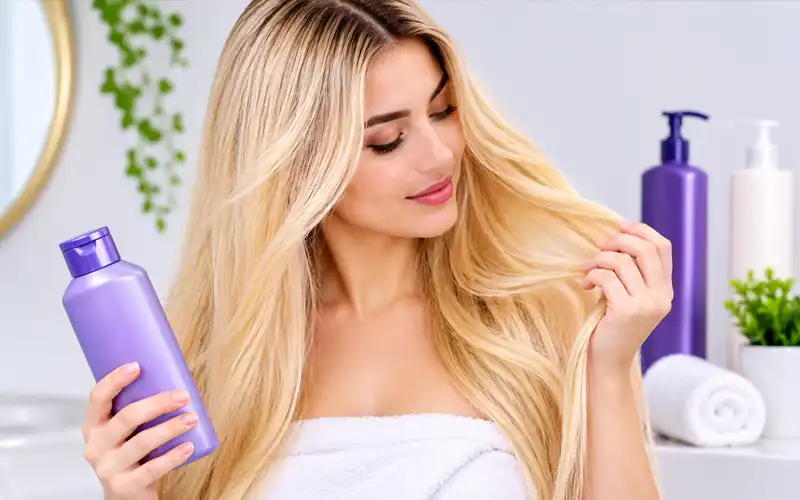
Hair Care After Bleaching: Choosing a Suitable Shampoo
Bleaching can transform hair colour and create a fresh, stylish appearance, but the process can also leave hair dry, fragile, and difficult to manage. Chemical treatments remove natural pigments while affecting the hair’s protective structure, making proper aftercare essential. Choosing the right shampoo is one of the most important steps in maintaining healthy-looking bleached hair.
A suitable formula helps cleanse gently, preserve moisture, reduce breakage, and maintain colour vibrancy. Understanding your hair’s specific needs can make a significant difference. With a consistent routine and appropriate products, bleached hair can remain softer, smoother, and easier to maintain.
Table of Contents
Toggle1. Understand the Needs of Bleached Hair
Bleached hair requires more attention than untreated hair because chemical processing can weaken its outer protective layer.
- Increased Dryness: Bleaching can reduce moisture retention, leaving strands rough and dehydrated.
- Greater Breakage Risk: Chemically treated hair may become weaker and more vulnerable to everyday damage.
- Colour Changes: Lightened hair can develop unwanted yellow or brassy tones over time.
- Sensitive Scalp: Some people experience dryness or irritation following chemical treatments.
Recognising these concerns helps you select a shampoo that supports your hair’s condition without causing unnecessary dryness.
2. Choose a Gentle Cleansing Formula
The shampoo used after bleaching should clean the scalp and hair without removing essential moisture. Harsh cleansing ingredients may make already damaged strands feel rough and difficult to handle. Look for products designed for dry, coloured, or chemically treated hair.
Gentle cleansing formulas can help remove excess oil and product buildup while maintaining a comfortable moisture balance. Avoid washing your hair too frequently, as excessive cleansing may contribute to dryness. Adjust your washing schedule according to your scalp condition and lifestyle.
3. Focus on Moisture and Repair
Hydration is essential when caring for bleached roots and lengths. A nourishing shampoo can help improve softness and make hair easier to manage. Ingredients such as glycerin, panthenol, and certain conditioning agents can support moisture retention and reduce the feeling of roughness.
Protein-based ingredients may also help improve the appearance and manageability of weakened strands. When researching premium haircare options, people may come across the search term Kerastase shampoo for bleached roots while exploring suitable products. However, the most important consideration is choosing a formula that matches your hair’s dryness, damage level, and scalp requirements.
4. Consider Purple Shampoo for Colour Maintenance
Bleached blonde hair can gradually develop unwanted warm or yellow undertones. Purple shampoo is commonly used to neutralise these tones and maintain a cooler-looking colour.
However, it should not necessarily replace your regular moisturising shampoo.
- Use purple shampoo according to the product instructions.
- Avoid excessive application, which may leave hair feeling dry.
- Alternate it with a nourishing shampoo.
- Follow with a suitable conditioner to maintain softness.
The frequency of use depends on your hair colour, porosity, and the amount of brassiness.
5. Follow a Complete Haircare Routine
Shampoo alone cannot address every concern associated with bleaching. A balanced routine helps protect hair from additional stress.
- Condition Regularly: Apply conditioner after every wash, concentrating on the mid-lengths and ends.
- Use a Hair Mask: A weekly nourishing treatment can help improve softness and manageability.
- Limit Heat Styling: Frequent straightening, curling, and blow-drying can increase dryness and breakage.
- Protect Your Hair: Use suitable heat protection when styling and minimise unnecessary chemical treatments.
- Trim Damaged Ends: Occasional trimming helps remove split ends and maintain a neater appearance.
6. Pay Attention to Your Scalp
Healthy-looking hair also depends on maintaining a comfortable scalp. Choose a shampoo that suits your scalp type rather than focusing only on hair colour. If bleaching causes persistent itching, burning, redness, or irritation, stop using irritating products and seek professional advice.
Conclusion
Choosing a suitable shampoo after bleaching is an important part of maintaining manageable, healthy-looking hair. Gentle cleansing, moisture support, colour maintenance, and regular conditioning can help minimise the appearance of dryness and breakage. Instead of selecting products based only on popularity, consider your hair texture, scalp condition, and level of chemical damage. Combining the right shampoo with a consistent haircare routine can help bleached hair look smoother, softer, and more vibrant over time.
Frequently Asked Questions
1. What is the best shampoo for bleached hair?
The best shampoo for bleached hair is a gentle, moisturising formula designed for dry, coloured, or chemically treated hair. It should cleanse without removing too much natural moisture.
2. How often should you wash bleached hair?
Most people benefit from washing bleached hair two or three times a week. However, the ideal frequency depends on scalp oiliness, lifestyle, and hair condition.
3. Is purple shampoo good for bleached hair?
Yes, purple shampoo helps neutralise unwanted yellow tones in blonde or bleached hair. It should be used according to the product instructions.
4. Can shampoo repair damaged bleached hair?
Shampoo cannot completely repair structural damage caused by bleaching. However, moisturising and conditioning formulas can improve softness, smoothness, and manageability.
5. Which ingredients should you look for in shampoo for bleached hair?
Look for ingredients such as glycerin, panthenol, and conditioning agents that support moisture retention. Some formulas also contain proteins to improve the feel of weakened strands.
6. Should you use conditioner after shampooing bleached hair?
Yes, conditioner is important because it helps soften hair, reduce tangling, and improve manageability. Apply it mainly to the mid-lengths and ends.
7. How can you prevent bleached hair from becoming dry and brittle?
Use a gentle shampoo, condition after every wash, apply a nourishing hair mask weekly, limit heat styling, and avoid unnecessary chemical treatments.