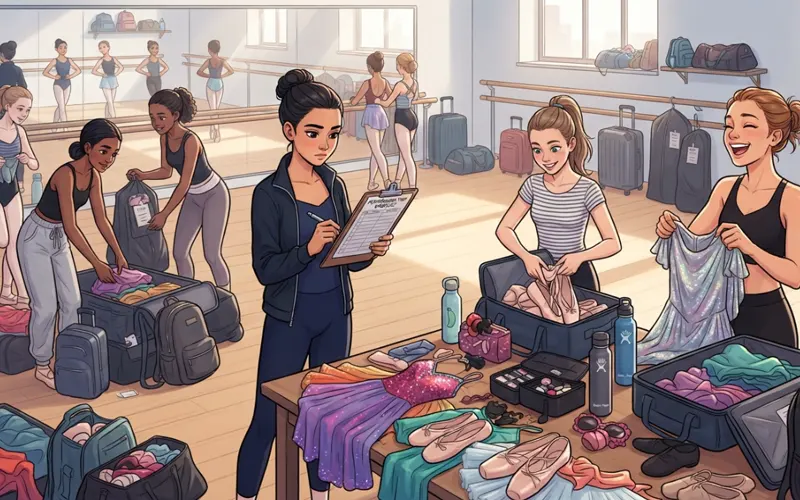
How Can Dance Students Prepare for a Major Performance Trip?
Traveling for a major dance performance can be one of the most exciting experiences in a student’s training. It combines the challenge of performing with the responsibility of traveling, managing costumes, adjusting to unfamiliar spaces, and staying focused away from the normal studio environment. With the right preparation, dancers can approach the experience with confidence instead of stress.
For students participating in Dance the Dream performance travel, preparation should begin well before departure. Dancers need to think about physical readiness, packing, schedules, nutrition, sleep, choreography, and communication with teachers and families. Planning ahead helps students stay organized so they can focus on the performance itself.
Table of Contents
ToggleStart Preparing Early
Major performance trips often involve more details than a typical recital or competition. Travel schedules, hotel arrangements, rehearsals, costumes, performance times, and group expectations all need to be considered.
Students should review important information as soon as it becomes available. Waiting until the final week can create unnecessary stress and increase the chance of forgetting something important.
Early preparation may include:
- Reviewing travel dates and times
- Confirming rehearsal schedules
- Checking costume requirements
- Practicing choreography consistently
- Making a packing checklist
- Organizing travel documents
- Learning group expectations
- Asking questions about unfamiliar details
Families can also help by creating a shared calendar or checklist. Keeping all important information in one place makes it easier to stay organized as the trip approaches.
Strengthen Choreography Before Departure
A major performance trip is not the ideal time to still be learning choreography. Students should aim to feel comfortable with their routines before traveling so rehearsal time can focus on spacing, staging, timing, and polishing details.
Consistent practice is more effective than trying to cram long rehearsals into the final few days. Short, focused practice sessions can help dancers strengthen memory while avoiding unnecessary fatigue.
Students should pay attention to transitions, musical cues, formations, and entrances and exits. These details can become especially important when performing in an unfamiliar venue.
Teachers may also provide videos or notes for practice. Students should use those resources carefully so they are reinforcing the correct choreography.
Prepare Physically for the Demands of Travel
Performance travel can be physically tiring. Long drives, flights, walking, sightseeing, rehearsals, and performances may all happen within a relatively short period.
Dancers should maintain their normal conditioning and training schedule leading up to the trip. Suddenly increasing exercise immediately before departure can lead to soreness or fatigue rather than improved performance.
Physical preparation should include:
- Regular dance classes
- Appropriate stretching
- Strength and conditioning
- Adequate hydration
- Consistent sleep
- Recovery time
- Proper warm-ups and cool-downs
Students should also pay attention to any existing discomfort or injury. Communicating concerns early allows teachers, families, and appropriate professionals to make safer decisions before travel.
Create a Detailed Packing List
Packing for dance travel requires more planning than packing for a typical vacation. Students may need multiple costumes, shoes, accessories, makeup, hair supplies, rehearsal clothing, and personal items.
A written checklist can prevent last-minute mistakes. Students should pack early enough to identify anything that needs to be purchased, repaired, cleaned, or replaced.
Important dance items may include:
- Costumes
- Dance shoes
- Tights
- Undergarments
- Hair accessories
- Makeup
- Safety pins
- Sewing supplies
- Warm-up clothing
- Rehearsal outfits
- Water bottle
- Healthy snacks
Whenever possible, essential performance items should remain easily accessible during travel. Costumes and shoes are much harder to replace than everyday clothing if luggage is delayed or misplaced.
Double-Check Costumes and Accessories
Costumes should be inspected before packing. Dancers should make sure everything fits properly, closures work, accessories are complete, and required tights or shoes are in good condition.
Small repair items can be useful during a performance trip. A compact emergency kit with safety pins, sewing supplies, fashion tape, bandages, and extra hair accessories may solve minor problems quickly.
Students should also label important items when appropriate. In a large group, similar costumes, shoes, bags, and accessories can easily become mixed up.
Keeping each costume and its accessories together can simplify quick changes. Garment bags or clearly organized packing systems can make performance days much less stressful.
Plan for Hair and Makeup Needs
Performance hair and makeup should not be left to guesswork. Students should know the required style and appearance before leaving home.
It can be helpful to practice complicated hairstyles in advance. If a dancer needs a specific bun, braid, accessory placement, or makeup look, practicing beforehand can reduce preparation time on performance day.
Hair and makeup supplies may include:
- Hairbrushes and combs
- Hair ties
- Bobby pins
- Hairnets
- Styling products
- Required makeup
- Makeup remover
- Mirrors
- Tissues or wipes
Students should follow studio guidelines rather than experimenting with a new look during the trip. Consistency helps groups appear polished and unified onstage.
Pay Attention to Hydration and Nutrition
Busy travel days can make it easy to forget basic needs. Dancers may be tempted to skip meals, rely on convenience foods, or forget to drink enough water.
Regular meals and snacks help support energy throughout rehearsals and performances. Students should choose familiar foods that sit well with them, especially before going onstage.
Portable snacks may include fruit, crackers, sandwiches, granola bars, or other options that are easy to carry. Families should consider any dietary restrictions when planning ahead.
Hydration should begin before performance day. Drinking reasonable amounts of water consistently is generally more practical than trying to catch up immediately before a rehearsal or show.
Prioritize Sleep and Recovery
A performance trip may include exciting activities, but students still need adequate rest. Late nights combined with early rehearsals can quickly affect concentration, mood, coordination, and stamina.
Students should follow established lights-out expectations if traveling as part of a group. Even when there is free time, getting enough sleep should remain a priority.
Recovery also includes taking breaks when possible. Dancers do not need to spend every free moment practicing or walking around.
For students involved in Dance the Dream performance travel, balancing excitement with recovery can help them arrive at the performance feeling prepared rather than exhausted.
Understand the Travel Schedule
Students should have a basic understanding of where they need to be and when. Teachers and chaperones may manage the larger itinerary, but dancers should still take responsibility for knowing important times.
Students should be aware of:
- Departure times
- Meeting locations
- Rehearsal calls
- Performance times
- Costume call times
- Meals
- Transportation plans
- Group check-ins
Arriving early is especially important during performance travel. Moving a large group takes longer than moving one individual dancer.
Students should also avoid wandering away from the group without permission. Following travel procedures helps keep everyone safe and prevents delays.
Prepare Mentally for an Unfamiliar Stage
Performing in a new venue can feel very different from dancing in a familiar studio or local theater. Stage dimensions, lighting, flooring, backstage areas, and entrances may all be unfamiliar.
Students should expect some differences and stay flexible. Rehearsals in the venue are often designed to help dancers adjust to spacing and staging.
Visualization can also be useful. Students can mentally rehearse their choreography, entrances, transitions, and final pose before going onstage.
Nervousness is normal before an important performance. Focusing on preparation, breathing, musical cues, and choreography can help students direct their attention toward tasks they can control.
Communicate With Teachers and Chaperones
Good communication is essential during group travel. Students should listen carefully to instructions and ask questions when something is unclear.
Teachers and chaperones need to know about issues that could affect the dancer’s participation. These might include missing costume pieces, illness, transportation concerns, or uncertainty about the schedule.
Students should avoid relying entirely on friends for information. Instructions can become inaccurate when passed from person to person.
Whenever possible, dancers should refer to official schedules, messages, or directions from studio leadership. This reduces confusion and keeps the group moving efficiently.
Practice Good Travel Etiquette
Students represent themselves and their studio throughout the trip, not only while performing. Respectful behavior in hotels, transportation areas, restaurants, dressing rooms, and performance venues matters.
Dancers should follow group rules, keep shared spaces clean, and treat staff members, performers, chaperones, and other travelers courteously. Good behavior contributes to a more enjoyable experience for everyone.
Students should also be mindful of noise levels in hotels and public areas. A large dance group can attract attention quickly, so consideration for others is important.
Professional habits developed during travel can benefit dancers in future performances, competitions, intensives, and other opportunities.
Frequently Asked Questions About Major Dance Performance Trips
How early should dancers start packing?
Dancers should begin organizing several days before departure. This provides enough time to replace missing supplies or repair costume issues.
Should costumes go in checked luggage?
Whenever practical, essential costumes and shoes should be kept as accessible as possible. Travel arrangements vary, so dancers should follow their studio’s specific packing guidance.
How can dancers avoid forgetting choreography?
Consistent practice before the trip is the best preparation. Reviewing videos, music, transitions, and difficult sections can also strengthen memory.
What should dancers eat before performing?
Familiar, balanced meals and snacks are usually a good choice. Students should avoid experimenting with unfamiliar foods immediately before performing.
What happens if a costume breaks during the trip?
A small emergency kit can help with minor repairs. Students should also notify a teacher or designated adult rather than trying to solve a significant costume problem alone.
How can dancers manage performance nerves?
Preparation, controlled breathing, visualization, and focusing on choreography can help. Some nervousness is normal and often decreases once the performance begins.
Should students practice during every free moment?
No. Review can be useful, but rest is also important. Students should follow the rehearsal schedule and allow their bodies time to recover.
Make the Performance Trip Part of the Learning Experience
A major dance trip is about more than the few minutes students spend onstage. Travel teaches dancers how to manage responsibility, adapt to unfamiliar environments, work with a group, follow schedules, and perform under new conditions.
Preparing carefully for Dance the Dream performance travel allows students to focus less on forgotten items and logistical problems and more on the experience itself. Organized packing, consistent rehearsal, healthy routines, communication, and adequate rest all contribute to a smoother trip.
Most importantly, students should remember why they are traveling in the first place. A major performance is an opportunity to share their training, create memories with fellow dancers, and experience dance in a new setting. With thoughtful preparation, they can arrive ready to perform confidently and enjoy everything the trip has to offer.
Tags