

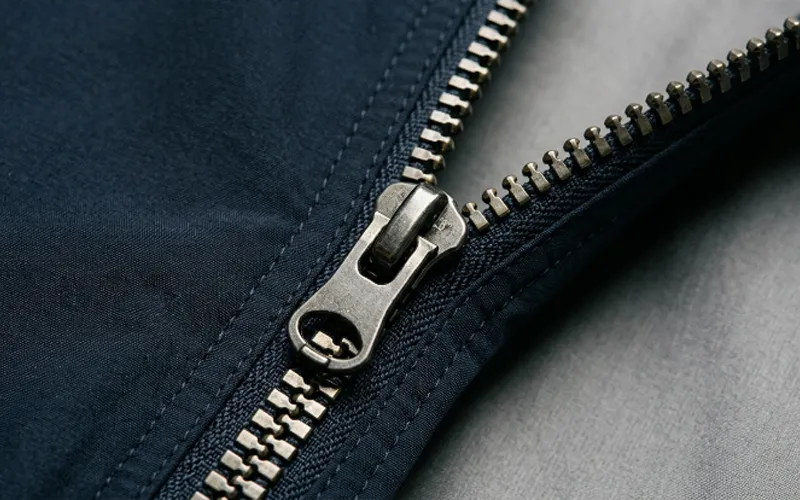
Zippers are one of those small things we use almost every day without thinking much about them. They are found on jeans, jackets, bags, shoes, dresses, backpacks, tents, and many other everyday products. With one simple movement, a zipper can join two sides of fabric and keep them firmly closed. When the slider moves in the opposite direction, the two sides separate again. This simple action may look ordinary, but the design behind it is quite clever.
So, how do zippers work? A zipper works by using a row of small teeth or other connecting elements on two strips of fabric, along with a moving slider. As the slider travels along the zipper, it brings the two sides together in a controlled way. When the slider moves back, it separates them. The exact design can be different depending on the type of zipper, but the basic idea remains the same.
Understanding this mechanism becomes much easier when you look at the main parts of a zipper and see how they interact. A zipper does not simply close because the teeth are pushed together. The shape of the slider guides the teeth into the correct position so that they connect and stay together. This is what makes a zipper both quick to use and useful for everyday clothing.
How Do Zippers Work Step by Step?
The process becomes clearer when you follow what happens from an open zipper to a closed zipper.
First, the zipper begins in an open position. The two rows of teeth are separated, and the fabric on both sides can move independently. The slider is positioned near one end of the zipper.
Next, the user grips the pull tab and begins moving the slider along the zipper. As the slider travels, the teeth from both sides enter its wider opening.
Inside the slider, the two rows are guided toward each other. The shape of the channel gradually brings the teeth into the correct alignment. The teeth then connect as they leave the narrower part of the slider.
Behind the moving slider, the zipper is now closed. The connected teeth hold the two sides of fabric together. In front of the slider, the zipper remains open until the slider reaches that section.
When the slider reaches the other end, the zipper is fully closed. Stops at the end help prevent the slider from simply running off the zipper.
When you pull the slider back in the opposite direction, the connected teeth enter the slider again. The slider separates them as it moves, leaving an open zipper behind it.
This simple movement explains how do zippers work step by step without needing a complicated machine. The slider controls the movement while the teeth provide the connection.
How Do Zippers Work for Kids?
Explaining zippers to children can be very simple. Think about two rows of tiny puzzle pieces. When they are apart, the zipper is open. When they fit together, the zipper is closed.
The slider is like a little guide that helps the puzzle pieces meet. When you pull the slider up, it brings the two rows together. When you pull it down, it separates them again.
A child can see this easily on a jacket or school bag. When the zipper is open, the two sides are apart. When the pull tab moves upward, the sides join together. The slider does most of the work.
So, how do zippers work for kids? They work by using a slider to guide two rows of teeth together or apart. The teeth stay connected after the slider passes, which keeps the jacket, bag, or other item closed.
This explanation is useful because it focuses on the basic idea instead of using technical terms. A zipper is basically a small joining system that uses specially shaped parts to make opening and closing quick and easy.
Understanding a Zipper Diagram
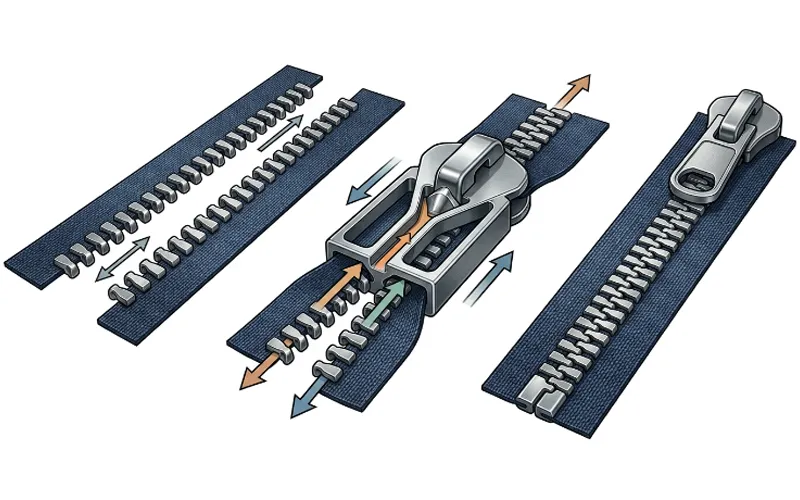
A how do zippers work diagram can make the mechanism much easier to understand because it allows you to see the relationship between the slider and teeth.
In a simple diagram, you would normally see two rows of teeth placed on opposite sides. The slider would be shown around the teeth, with the pull tab extending outward. The fabric tape would run along the outside edges of the teeth.
A good diagram can also show the zipper in different stages. One part may show the teeth separated before entering the slider. Another can show the teeth being guided together inside the slider. A final section can show the teeth connected behind the slider.
The important thing to remember is that the slider does not simply press the teeth together from above. Its internal shape guides them from separate positions into a connected row.
This is also why a zipper can sometimes fail when the slider becomes damaged or bent. If the slider no longer guides the teeth correctly, the teeth may not connect properly.
how do zippers work
Why Do Zipper Teeth Stay Together?
One interesting thing about zippers is that the teeth can remain connected even after you stop pulling the slider. This happens because of the way the teeth are shaped and arranged.
When the teeth interlock, they create a connected line that resists normal separation. Pulling the fabric from opposite sides can place pressure on the connection, but the teeth are designed to resist that force under normal use.
The strength of this connection depends on the zipper. A small zipper on a shirt does not need to handle the same force as a zipper on a suitcase or outdoor equipment.
The material also matters. Metal teeth can provide a different feel and strength compared with molded plastic teeth or coil-style zippers. The construction is selected according to the product and the amount of stress the zipper is expected to handle.
Different Types of Zippers
Not every zipper looks or works exactly the same way. Manufacturers use different designs for different products and purposes.
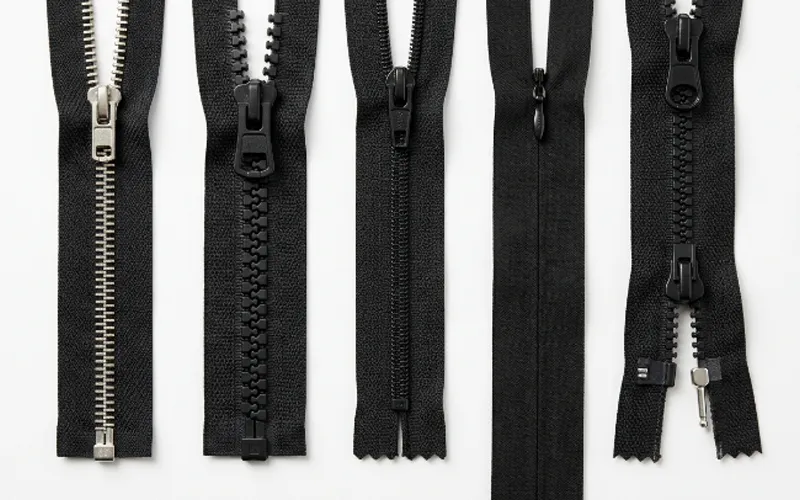
Metal zippers use small metal teeth. They are common on jeans, jackets, boots, and other products where a strong and traditional zipper appearance is desired. The teeth are usually clearly visible and can have a sturdy feel.
Molded plastic zippers use individual plastic teeth. They are often found on jackets, bags, outdoor clothing, and other products. Plastic teeth can be made in different sizes and shapes.
Coil zippers use a continuous spiral or coil structure instead of separate individual teeth. They are often lightweight and flexible, which makes them useful for clothing, bags, and other applications where flexibility is important.
Invisible zippers are designed so that the zipper is difficult to see when the garment is closed. They are commonly used in dresses, skirts, cushions, and other products where the designer wants a cleaner appearance.
Separating zippers are commonly used on jackets. When completely opened, the two sides can separate from each other. These zippers usually include an insertion pin and a box at the bottom that help start the zipper correctly.
how do zippers work
Why Do Some Zippers Get Stuck?
A zipper can become difficult to move for several reasons. Fabric may become trapped inside the slider, dirt can collect around the teeth, or the slider may become damaged.
Sometimes the teeth are no longer properly aligned. If one section is bent or damaged, the slider may struggle to move over it. Pulling harder is not always the best solution because excessive force can make the problem worse.
The zipper can also feel rough when the slider or teeth become dirty. Regular use exposes zippers to dust, fabric fibers, moisture, and other small particles.
A zipper that is used frequently may eventually show signs of wear. The slider can become loose, teeth can become damaged, and the fabric tape can start to weaken. These problems can affect how smoothly the zipper operates.
Why Does a Zipper Sometimes Separate Behind the Slider?
One common zipper problem happens when the teeth appear to connect but then separate again behind the slider. This can happen when the slider is worn, damaged, or no longer holding the teeth together correctly.
The slider needs to maintain the correct relationship between the two sides of the zipper. If its shape changes because of wear or physical damage, the teeth may not interlock firmly.
This problem is different from a zipper that is simply stuck. A stuck zipper may have fabric or debris blocking movement, while a zipper that separates behind the slider may have a problem with the slider or teeth.
In some cases, replacing the slider can solve the problem. If the teeth or zipper tape are badly damaged, however, the entire zipper may need to be replaced.
Why Zippers Are So Useful
The biggest advantage of a zipper is convenience. It can open or close a large section of fabric with one quick movement. This makes it useful for clothing, luggage, bags, footwear, furniture covers, and many other products.
Buttons and other fasteners can also secure fabric, but they usually require separate movements for each fastening point. A zipper can connect a long opening with one continuous movement.
Zippers can also provide a relatively neat appearance. When closed, the two sides can form a clean line, especially when the zipper is designed to blend into the material.
Their flexibility is another reason they are widely used. Zippers can be made in different sizes, materials, colors, and designs to suit different products.
What Makes a Zipper Smooth?
A smooth zipper depends on several factors working together. The teeth need to be correctly aligned, the slider needs to move freely, and the zipper tape needs to remain properly attached to the fabric.
The design and quality of the zipper also matter. A zipper made for heavy use may have stronger components than one designed for lightweight clothing.
The condition of the zipper is important too. Dirt, trapped fabric, damaged teeth, or a bent slider can make movement rough. A zipper that is clean and properly aligned will generally operate more easily than one that has been damaged or neglected.
The way the zipper is installed can also affect its movement. If the fabric pulls unevenly on one side, the slider may have more difficulty moving along the zipper.
Can You See How a Zipper Works in a GIF?
A how do zippers work gif can be particularly helpful for people who understand movement better than static pictures. A GIF can show the slider traveling along the zipper while the teeth move from an open position into an interlocked position.
Watching the process makes one important point very clear: the teeth do not randomly snap together. They are guided by the slider as it moves.
A short animation can show the zipper from different angles. One view may show the outside of the slider, while another can show how the teeth enter the slider and connect. This can make the mechanism easier to understand than a written explanation alone.
For children and beginners, an animated explanation can be especially useful because the movement is easy to follow.
How Zippers Have Changed Everyday Products
Zippers are now so common that it is difficult to imagine modern clothing and bags without them. They are used in products where people need quick access, secure closure, or both.
A jacket zipper allows the wearer to open the front quickly. A bag zipper protects the contents while still allowing easy access. A suitcase zipper can close a large opening around the case. Shoes and boots can use zippers to make them easier to put on and remove.
The same basic principle can therefore be adapted to many different products. Manufacturers simply change the size, material, construction, and design depending on the purpose.
Final Thoughts
The answer to how do zippers work becomes much simpler when you understand the relationship between the teeth and the slider. The teeth provide the connection, while the slider guides them into place or separates them as it moves.
When closing a zipper, the slider brings the two rows of teeth together and guides them into an interlocking position. When opening it, the slider separates those teeth as it travels in the opposite direction. The pull tab gives the user control over this movement, while the fabric tape keeps the zipper attached to the product.
What looks like a small and ordinary part of a jacket or bag is actually a clever mechanical design. Its success comes from combining simple shapes and controlled movement. Once you understand what happens inside the slider, a zipper is no longer just something you pull up and down. It becomes an easy example of how thoughtful mechanical design can make everyday tasks faster and simpler.
Frequently Asked Questions
1. How do zippers work?
A zipper uses a slider to bring two rows of teeth together or separate them. The teeth interlock when the slider moves along the zipper.
2. How do zippers work step by step?
The slider moves along the teeth and guides both rows together. Moving it in the opposite direction separates the teeth and opens the zipper.
3. How do zippers work for kids?
A zipper works like two rows of tiny puzzle pieces. The slider helps the pieces join together when you pull it up and separates them when you pull it down.
4. Why do zipper teeth stay together?
The teeth are specially shaped to interlock with each other. This connection keeps the zipper closed during normal use.
5. Why does my zipper keep separating after I zip it?
This can happen when the slider is worn or damaged, or when the teeth are not aligned properly. Replacing the slider may sometimes fix the problem.
6. Why do some zippers get stuck?
Zippers can get stuck because of trapped fabric, dirt, damaged teeth, or a worn slider. Pulling too hard can make the problem worse.
7. What are the main parts of a zipper and how do they work?
The main parts are the teeth, slider, pull tab, and fabric tape. The slider moves along the teeth and controls whether the zipper opens or closes.
8. What is the difference between metal, plastic, coil, and invisible zippers?
Metal zippers have metal teeth, while plastic zippers use molded plastic teeth. Coil zippers use a flexible spiral structure, and invisible zippers are designed to be less noticeable.