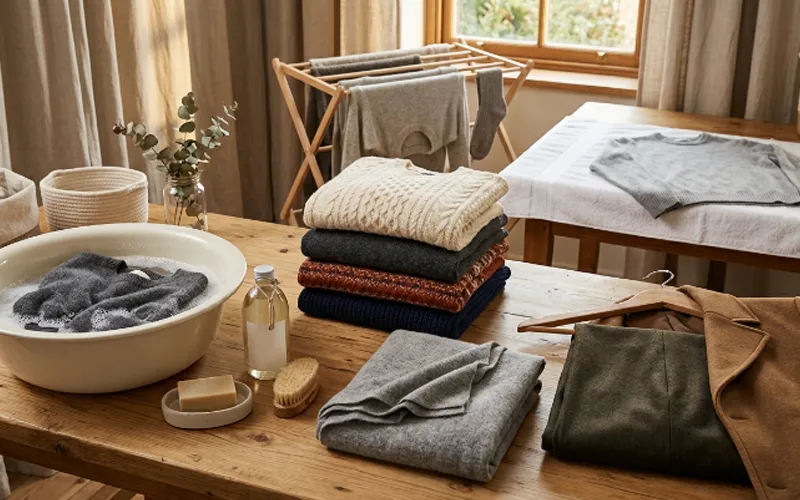
How to Care for Wool Clothes for a Softer Longer Lasting Wardrobe
Wool clothes are loved for their warmth, softness, and natural comfort. A good wool sweater, coat, scarf, or pair of trousers can stay useful for many years when it receives the right care. However, wool is different from cotton and many other everyday fabrics. It can shrink, lose its shape, become rough, or develop unwanted marks when it is washed or dried incorrectly. That is why knowing how to care for wool clothes can make a big difference in how long they look and feel their best.
Caring for wool does not have to be difficult. The most important things are gentle washing, careful drying, proper storage, and quick action when a stain appears. You also need to avoid unnecessary washing because wool naturally resists odors and does not always need to be cleaned after every wear. With a few simple habits, you can protect the softness and shape of your favorite wool pieces while keeping them fresh throughout the season.
Table of Contents
ToggleWhy Wool Needs Special Attention
Wool fibers have a natural structure that helps them keep you warm. They also have a natural ability to manage moisture and resist some odors. This is one reason wool clothing can often be worn several times before it needs washing. The problem begins when the fibers are exposed to strong heat, rough movement, or harsh cleaning products.
Hot water and aggressive washing can make wool fibers tighten together. This can cause a garment to shrink or become felted. Twisting or stretching a wet wool sweater can also change its shape. For this reason, wool clothing should be treated with more care than ordinary everyday clothes.
The first step is always to check the care label. Some wool garments are designed for hand washing, while others can be placed in a washing machine on a special wool or delicate cycle. Some structured wool coats may need professional cleaning. Following the manufacturer’s instructions is the safest starting point.
Wash Wool With a Gentle Approach
When learning how to care for wool clothes, washing is one of the most important areas to understand. If the label allows hand washing, use cool or lukewarm water and a small amount of mild wool detergent. Place the garment in the water and move it gently instead of scrubbing or rubbing it.
Let the garment soak for a short period if the care label recommends it. After washing, rinse it carefully with cool water until the detergent is gone. Do not twist the garment to remove water. Twisting can stretch the fibers and leave the clothing with an uneven shape.
For machine-washable wool, select the wool or delicate setting and use a low-temperature cycle. Avoid filling the machine too heavily because extra movement can put unnecessary stress on the fabric. A gentle cycle with the right detergent is much safer than a normal heavy wash.
Choose the Right Detergent
The detergent you use can have a major effect on delicate wool fibers. Strong detergents designed for heavily soiled everyday clothing may be too harsh for wool. A mild detergent made for wool or delicate fabrics is generally a better choice.
You should also avoid using too much detergent. More soap does not necessarily mean cleaner clothes. Excess detergent can be difficult to rinse away and may leave the fabric feeling different. A small amount is often enough for a gentle wool wash.
Bleach should also be avoided unless the garment’s manufacturer specifically says that it is safe. In most situations, bleach is not suitable for wool. If you are wondering how to remove stains from clothes without bleach, the answer for wool is usually to use a gentle spot-treatment method rather than reaching for a strong chemical product.
Drying Can Make or Break Your Wool Garment
Drying is another important part of how to care for wool clothes. Never assume that a wool sweater can be treated like a cotton T-shirt. High heat from a tumble dryer can cause wool to shrink, while hanging a heavy wet sweater can stretch the shoulders and body.
After washing, gently press out excess water. You can place the garment on a clean towel and roll the towel carefully to absorb moisture. Then lay the wool item flat on a dry towel or a suitable drying surface.
While the garment is still damp, gently reshape it. Straighten the sleeves, adjust the shoulders, and return the body to its original shape. Allow it to dry naturally away from strong direct heat. Do not place wet wool directly on a radiator or other hot surface.
How to Handle Stains Without Damaging Wool
Stains can be stressful, especially when they appear on a favorite wool sweater. The safest approach is to act gently and avoid aggressive rubbing. If a spill happens, blot the area with a clean cloth rather than rubbing it back and forth. Rubbing can push the stain deeper into the fibers and may damage the surface.
If you are searching for how to remove stains from clothes immediately, quick action can help, but the method still needs to match the fabric. For wool, start by checking the care label and identifying the type of stain. Use a small amount of suitable wool-safe cleaning solution and test it on a hidden area first.
For people looking for how to remove stains from clothes at home, wool requires extra care. Home remedies that are popular for cotton or other fabrics may not always be suitable for wool. A method that works well on a cotton shirt could leave a wool sweater damaged or discolored.
What About Baking Soda and Vinegar?
Searches such as how to remove stains from clothes with baking soda and how to remove stains from clothes with vinegar are very common. Baking soda and white vinegar are popular household cleaning ingredients, but that does not mean they are automatically safe for every wool garment.
Wool is a protein-based natural fiber, so strong or poorly chosen treatments can affect its texture and appearance. If you are considering how to remove stains from clothes with white vinegar, do not apply it directly to a valuable wool garment without checking the care instructions and testing a hidden area first.
The same caution applies when searching for how to remove stains from clothes naturally or looking for how to remove stains from clothes home remedies. Natural does not always mean gentle. The safest option is usually a product specifically designed for wool or delicate fibers, especially when the garment is expensive or difficult to replace.
Dealing With Stains After Washing or Drying
Sometimes a stain is not noticed until the clothing has already been washed. You may also discover a mark after the garment has completely dried. Many people search for how to remove stains from clothes after washing, how to remove stains from clothes after drying, or how to remove stains from clothes that have been dried.
A dried stain can be more difficult to remove because it may have had more time to settle into the fibers. However, that does not mean you should scrub the area aggressively. For wool, gentle treatment is still important. Moisten the affected area according to the cleaning product instructions, allow the recommended treatment time, and blot rather than rubbing.
If the stain remains after one gentle treatment, repeating the process carefully may be safer than using a stronger chemical. When a garment is valuable, professional cleaning can be a better choice than experimenting with several household remedies.
What If Colors Have Bled?
Color transfer can happen when one garment releases dye during washing. This can be especially worrying when a light-colored wool item picks up color from another piece. Searches for how to remove stains from clothes that bled usually come from this type of problem.
Do not immediately use bleach or a strong stain remover on wool. First check the care label and consider whether the garment can safely be treated at home. Aggressive stain treatments can make the original problem worse by changing the color or damaging the fibers.
If the color transfer is significant, professional cleaning may offer a safer solution. Acting early can also help because dye transfer may become harder to correct after repeated washing and drying.
Can You Remove a Stain Without Washing the Whole Garment?
Yes, sometimes spot cleaning can be useful when only a small area is affected. This can be helpful when you are looking for how to remove stains from clothes without washing because you do not want to wash an otherwise clean wool sweater.
Start by placing a clean towel behind the stained area if appropriate. Gently blot the mark with a wool-safe cleaning solution. Work from the outside of the stain toward the center to reduce the chance of spreading it. Avoid soaking the entire garment unless the care instructions allow it.
Spot cleaning can also help reduce unnecessary washing. Since wool does not always need frequent full washes, cleaning only the affected area can sometimes be a practical way to keep the garment fresh while protecting the fabric.
Removing Stains in a Washing Machine
People often search for how to remove stains from clothes in washing machine, but the answer depends on the fabric and the stain. With wool, the washing machine should only be used when the garment’s care label allows it.
If machine washing is permitted, use the wool or delicate cycle, cool water, and a suitable detergent. Do not add strong stain removers without checking whether they are safe for wool. The goal is not simply to remove the stain but to remove it without damaging the garment.
For stubborn marks, pre-treating the area with a wool-safe product may be more effective than repeatedly washing the entire item. Repeated washing can place unnecessary stress on wool fibers.
Give Your Wool Clothes Time to Breathe
One of the easiest ways to extend the life of wool clothing is to avoid washing it more than necessary. After wearing a wool sweater, allow it to air out before putting it away. This can help remove everyday odors and moisture.
If the garment is not visibly dirty, a few hours of airing may be enough. You can also gently brush the surface with a suitable clothes brush if the garment’s construction allows it. This helps remove loose particles without putting the fabric through another wash.
This simple habit can make a noticeable difference over time. Fewer washes mean less exposure to water, detergent, movement, and drying, all of which can gradually affect delicate fibers.
Store Wool Correctly Between Seasons
Proper storage is an important part of how to care for wool clothes, especially when winter ends. Before storing wool clothing for a long period, make sure it is clean and completely dry. Storing a dirty garment can attract insects and allow odors or marks to become harder to remove.
Fold sweaters and other soft wool items instead of hanging them for long periods. A hanger can cause the shoulders to stretch or create unwanted marks. Heavy wool clothing should especially be folded so its weight does not pull the fabric out of shape.
Keep stored wool in a cool, dry, breathable space. Avoid sealing damp clothing inside an airtight container. If you use storage bags, choose an option that provides suitable airflow and protection from dust and pests.
Final Thoughts
Learning how to care for wool clothes is really about understanding that wool needs a softer routine. It does not require complicated treatment, but it does require attention to heat, moisture, movement, detergents, and drying methods.
Whether you are caring for a favorite sweater, winter coat, scarf, or another wool item, small choices can have a lasting effect. Avoid unnecessary washing, treat stains carefully, skip harsh chemicals, dry wool flat, and store it properly when the season changes.
If you are searching for how to remove stains from clothes fast, remember that speed should not come at the cost of damaging the fabric. The best result comes from acting quickly while still using a method that is suitable for wool. With the right routine, your wool clothes can remain soft, comfortable, and attractive for many seasons instead of becoming worn out after only a few washes.
Frequently Asked Questions
1. How should you wash wool clothes?
Wash wool clothes with cool or lukewarm water and a mild detergent made for wool or delicate fabrics. If the care label allows machine washing, use a wool or delicate cycle. Avoid hot water, strong agitation, and wringing because they can shrink or damage the fibers.
2. Can wool clothes be washed in a washing machine?
Yes, some wool clothes can be washed in a washing machine, but you should always check the care label first. Use the wool or delicate setting, cool water, and a suitable wool detergent. Avoid normal or heavy wash cycles because too much movement can affect the shape and texture of wool.
3. How do you dry wool clothes without shrinking them?
After washing, gently press out excess water and lay the garment flat on a clean towel. Reshape it while it is still damp and let it air dry away from radiators and strong direct heat. Avoid high-heat tumble drying unless the care label specifically says it is safe.
4. Can wool clothes be dried in a dryer?
Some wool garments may be dryer-safe, but many can shrink or lose their shape when exposed to high heat. Always follow the garment’s care label. When in doubt, laying wool flat to air dry is generally a safer option.
5. How often should you wash wool clothes?
Wool clothes usually do not need to be washed after every wear. If a garment is not visibly dirty or stained, airing it out after wearing can help keep it fresh. Washing only when necessary can reduce exposure to water, detergent, and movement that may gradually affect wool fibers.
6. How do you remove stains from wool clothes?
Blot a fresh stain gently with a clean cloth instead of rubbing it. Check the care label and use a wool-safe cleaning product if spot treatment is allowed. Test the product on a hidden area first, especially when the garment is valuable or has a delicate color.
7. Can you use baking soda or vinegar to remove stains from wool?
Baking soda and vinegar are common home cleaning ingredients, but they should not automatically be considered safe for wool. Wool can react differently to household treatments than cotton or synthetic fabrics. It is safer to follow the care label and use a product specifically designed for wool when possible.
8. How should you store wool clothes between seasons?
Clean and completely dry wool clothes before storing them for a long period. Fold sweaters and other soft wool items instead of hanging them because hangers can stretch the shoulders. Keep wool in a cool, dry, breathable place protected from moisture, dust, and pests.
Tags