











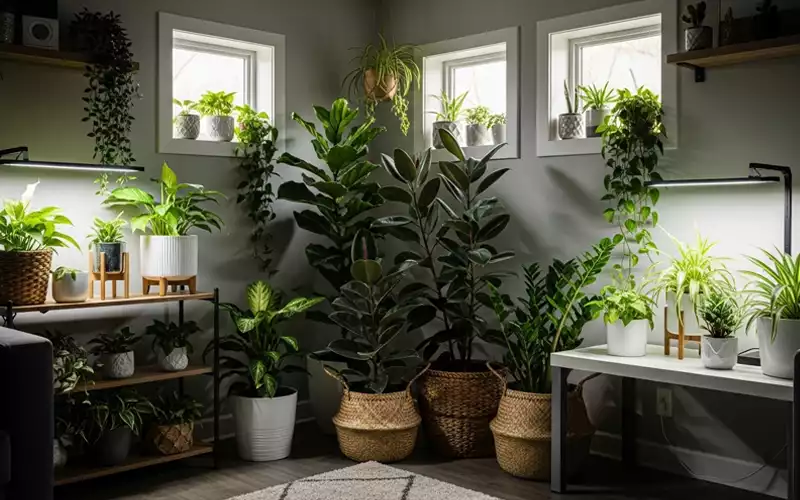
Creating a healthy and vibrant home doesn’t always require a lot of sunlight. Many indoor spaces have corners that are naturally darker, making it challenging to find plants that thrive there. Fortunately, there are several low light indoor plants that not only survive in shaded areas but also improve air quality and enhance the overall appearance of any room. This article highlights the best indoor plants, including both large and small varieties, that can bring life and freshness to every part of your home.
Why Choose Low Light Indoor Plants?
Many homes and apartments don’t get enough natural sunlight, which makes it difficult to grow traditional houseplants. Indoor plants low light are perfect for these spaces because they require very little sunlight to thrive. They can brighten living rooms with small windows, bedrooms, offices, and even bathrooms. Along with being low-maintenance, these plants also help purify the air, creating a cleaner and more refreshing environment throughout your home.
Choosing the right plants for low light areas can make a big difference in the atmosphere of your home. Best low light indoor plants are able to thrive even with minimal care, avoiding the frustration of plants that wilt or die quickly. These plants are ideal for beginners, busy homeowners, or anyone looking to create a vibrant and easy-to-maintain indoor garden.
Best Low Light Indoor Plants for Every Space
When selecting easy indoor plants, it is important to consider the space available in your home. Some plants work well in corners, while others stand out as attractive focal points. For bigger areas, large indoor plants such as the Fiddle Leaf Fig or Rubber Plant add height and a strong visual presence. In smaller spaces, small indoor plants like the ZZ Plant or Pothos are a great choice for desks, shelves, or side tables, bringing greenery into the room without taking up much space.
Snake Plants are widely known as some of the best indoor plants for air quality, as they help remove toxins from the air while requiring very little sunlight. In the same way, Peace Lilies thrive in low light conditions and produce elegant white flowers, making them a great choice for both improving air quality and enhancing the visual appeal of your home.
Other excellent options for low light conditions include the Monstera Deliciosa, which can grow quite large and create a striking presence indoors, and the Cast Iron Plant, valued for its durability and ability to thrive with minimal light. These plants are easy to care for, making them a practical choice for anyone who wants to enjoy indoor greenery without dealing with complicated maintenance.
Growing Indoor Plants with Low Light
Although these plants are well-suited for low light conditions, providing the right environment still plays an important role in their growth. Grow lights for indoor plants can offer additional support when natural sunlight is not enough, helping plants remain healthy and strong. LED grow lights are energy-efficient and deliver the proper light spectrum needed for steady growth and healthy foliage. Whether placed in a dim corner or a room without windows, a grow light for indoor plants can help maintain thriving and vibrant greenery.
In addition to proper lighting, selecting the right soil is essential for healthy indoor plant growth. Using the best soil for indoor plants or the best potting soil for indoor plants helps improve drainage while providing the nutrients plants need to grow well. Overwatering is one of the most common issues with indoor plants, so allowing the soil to dry slightly between waterings is important—especially for low light plants that require less moisture.
Low Maintenance Indoor Plants for Busy Homes
For those with a busy lifestyle, low maintenance indoor plants are a practical and convenient option. Plants such as the Snake Plant, ZZ Plant, and Spider Plant require minimal care while still adding beauty and offering health benefits. They grow at a steady pace and do not need frequent watering or fertilizing, making them well-suited for offices, apartments, and homes with children or pets.
If you have pets at home, choosing indoor plants that are safe for animals is very important. Options like the Areca Palm, Parlor Palm, and certain varieties of Bamboo Palm are non-toxic and suitable for pet-friendly spaces. These plants allow you to keep your home green and fresh while ensuring a safe environment for your pets.
Enhancing Your Home’s Air Quality
One of the key advantages of indoor plants is their ability to improve air quality. Many low light indoor plants help remove harmful substances such as formaldehyde, benzene, and trichloroethylene from the air. Plants like the Peace Lily, Snake Plant, and Boston Fern are valued for their air-purifying qualities, helping to reduce dust and add a bit of moisture to dry indoor spaces. Placing these plants in living rooms, bedrooms, or work areas can contribute to a cleaner and more comfortable environment.
Choosing the Right Grow Lights
While low light plants can survive without direct sunlight, using the best grow lights for indoor plants can help them grow faster and maintain strong, healthy foliage. There are several types of grow lights available, including fluorescent, LED, and full-spectrum options. LED grow lights are particularly popular because they are energy-efficient, long-lasting, and provide the right combination of red and blue light that indoor plants need for proper growth and photosynthesis.
If you’re unsure which grow light to choose, consider the size of your plant and the area you want to illuminate. Small indoor plants usually do well with a compact grow light, while larger indoor plants benefit from bigger or adjustable lights that can evenly cover the entire plant.
Common Mistakes to Avoid with Low Light Plants
Even though low light plants are generally easy to care for, there are a few common mistakes to avoid. Overwatering is one of the most frequent issues, since many low light plants store water in their leaves and require less frequent watering. Using the wrong type of soil can also affect plant health, so it’s important to choose the best soil for indoor plants that supports healthy indoor growth.
Another frequent mistake is placing low light plants in areas that are completely dark with no light source. While these plants can tolerate low light, they still need some indirect sunlight or grow lights for indoor plants to thrive. In addition, regularly dusting the leaves and occasionally rotating the plants helps them absorb light evenly and encourages healthy, balanced growth.
Decorating with Low Light Indoor Plants
Low light indoor plants are not only practical but also add style and greenery to your home. Small indoor plants like Pothos or Spider Plants are ideal for shelves, desks, or coffee tables, while larger indoor plants such as Fiddle Leaf Figs or Rubber Plants can serve as striking statement pieces in living rooms or entryways.
Combining plants of different sizes and shapes can create a layered and visually appealing indoor garden. Decorative pots, planters, and stands can further enhance your home décor while supporting plant health. For instance, modern ceramic pots, woven baskets, or minimalist planters not only add style to your plant arrangements but also provide a suitable environment for healthy root growth.
Top 10 Low Light Indoor Plants You Must Try
To make choosing plants easier, here’s a list of the top 10 low light indoor plants: Snake Plant, ZZ Plant, Peace Lily, Cast Iron Plant, Monstera Deliciosa, Parlor Palm, Areca Palm, Boston Fern, Pothos, and Rubber Plant. These plants are popular because they are hardy, require minimal care, and can thrive even in shaded areas. Suitable for both beginners and experienced plant enthusiasts, their variety allows you to create a vibrant indoor garden that adds style to your home while improving air quality.
Frequently Asked Question (FAQs)
What are the best low light indoor plants for beginners?
If you are new to indoor gardening, Snake Plant, ZZ Plant, Pothos, and Peace Lily are the best low light indoor plants. They are very easy to care for and can survive even in dimly lit corners.
Can indoor plants grow without sunlight?
Yes, many low light indoor plants can grow without direct sunlight. They need only indirect light or minimal exposure. For rooms with very little natural light, using grow lights for indoor plants can help them stay healthy.
Which indoor plants improve air quality the most?
Plants like Snake Plant, Peace Lily, Boston Fern, and Areca Palm are excellent for improving air quality. These best indoor plants for air quality help remove toxins and increase oxygen in your home.
- How do I care for low light indoor plants?Care is simple: water them moderately, avoid direct sunlight, use the best soil for indoor plants, and occasionally clean their leaves. Using grow light for indoor plants can also boost their growth.
Are there low maintenance indoor plants for busy people?
Yes, low maintenance indoor plants like ZZ Plant, Snake Plant, and Cast Iron Plant require minimal attention. They survive with little water and can thrive even if you forget to water them occasionally.
Can cats and pets be around indoor plants?
Some indoor plants are safe for pets. Plants like Areca Palm, Parlor Palm, and Bamboo Palm are indoor plants safe for cats and dogs, so you can enjoy greenery without worrying about your pets.
Which large indoor plants are suitable for low light areas?
Large indoor plants like Fiddle Leaf Fig, Rubber Plant, and Monstera Deliciosa can survive in shaded areas. They are ideal for decorating living rooms and entryways while requiring minimal sunlight.
Do small indoor plants grow well in low light?
Yes, small indoor plants like Pothos, Spider Plant, and Baby ZZ Plant grow well in low light and can be placed on shelves, desks, or small corners to brighten up the space.
What kind of soil should I use for indoor plants?
Using the best potting soil for indoor plants or a mix of peat, perlite, and compost ensures proper drainage and nutrients. This is essential for low light plants to thrive indoors.
- Can grow lights replace natural sunlight for indoor plants?Yes, best grow lights for indoor plants can replace sunlight in low light spaces. LED or full-spectrum grow lights help plants photosynthesize, maintain vibrant leaves, and support healthy growth even without natural sunlight.
Conclusion
Low light indoor plants make a wonderful addition to any home. These easy-to-care-for plants require minimal attention, help improve air quality, and bring life to areas with limited sunlight. By choosing the right plants, using appropriate grow lights for indoor plants, and selecting the best soil for indoor plants, you can create a lush and vibrant indoor garden that enhances both the beauty and health of your living space.
Whether you are looking for small indoor plants to brighten a cozy apartment corner or large indoor plants to make a bold statement in your living room, low light indoor plants offer versatility, beauty, and a touch of wellness. Start with hardy varieties such as the Snake Plant, ZZ Plant, or Peace Lily, and gradually expand your collection. With proper care, your indoor garden can flourish, keeping your home fresh and vibrant throughout the year.
For more tips on indoor plants and how to create a green, healthy home, visit alamdiya.com regularly and explore our detailed guides and recommendations.






Add comment