The Complete Raw Denim Guide From First Wear to Fading
Raw denim has become a popular choice for people who want jeans that feel personal rather than completely finished from the first day. Unlike heavily washed jeans, this material starts with a clean, firm look and slowly changes as you wear it. The fabric can soften, develop creases, and show natural fading based on your daily movement. This makes every pair a little different over time. For someone buying their first pair, however, the idea can seem confusing. This guide explains what raw denim is, how it feels, how it changes, how to choose a good pair, and how to care for it without making the process complicated.
Table of Contents
ToggleWhat Is Raw Denim?
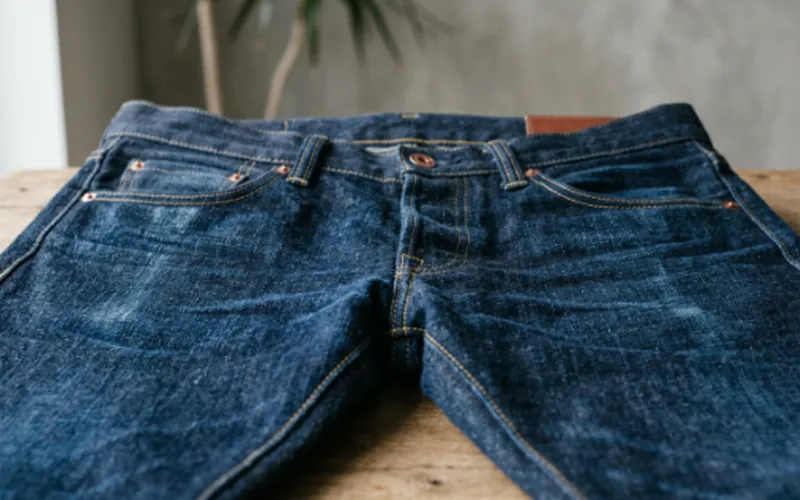
When people ask what is raw denim, they are usually asking what makes these jeans different from the denim found in most clothing stores. Raw denim is denim fabric that has not gone through the usual washing and finishing processes after it is dyed and woven. Because of this, the fabric often feels stiffer and looks darker when it is new. The deep color and firm texture are two of the main things that attract denim fans.
The material is made to change through regular wear. Instead of buying jeans that already have artificial whiskers, fading, and worn areas, you begin with a more natural surface. As you walk, sit, bend, and move, the fabric reacts to your lifestyle. Over time, areas that receive more friction can become lighter. This is one reason people enjoy the experience of wearing a new pair for a long period.
Raw Denim Fabric and How It Is Made
The quality of the experience depends heavily on the denim fabric itself. Different fabrics can vary in weight, texture, weave, color, and softness. Some are lightweight and easier to wear during warmer weather, while heavier versions can feel more structured and durable. The choice often comes down to climate, personal comfort, and how much time someone expects to spend wearing the jeans.
Another term you may see while shopping is selvedge raw denim. Selvedge refers to a particular type of finished fabric edge that helps prevent the denim from unraveling. It is often associated with traditional shuttle-loom production and premium denim, although selvedge and raw do not mean exactly the same thing. A pair can be raw without being selvedge, and it can also be selvedge after being washed.
Japanese Raw Denim and Its Reputation
Japanese raw denim has earned a strong reputation among denim enthusiasts because of the attention often given to fabric, weaving, dyeing, construction, and finishing details. Japan has a long history of producing high-quality denim, and many makers focus heavily on traditional techniques and carefully developed fabrics. This does not mean every Japanese pair is automatically better than every other pair, but the category has become respected for its craftsmanship.
Japanese raw denim jeans can come in many different weights and textures. Some have a smooth surface, while others have a more uneven or textured appearance. The choice is not only about where the jeans were made. The actual fabric, construction, fit, stitching, and finishing details are all important when deciding whether a pair is right for you.
Choosing the Right Fit
Fit is one of the most important decisions when buying a new pair. Raw denim can become more comfortable as it breaks in, but it should still feel reasonably wearable from the beginning. A very tight pair may become difficult to enjoy, while an extremely loose pair may not develop the type of creases or shape you expect.
Some people prefer classic straight-leg jeans because they offer a balanced shape and work well with many types of shoes. Others enjoy raw denim baggy jeans because the wider silhouette gives a more relaxed and modern appearance. Baggy raw denim can work especially well with oversized shirts, jackets, sneakers, and other casual pieces.
Straight-Leg Options for a Classic Look
Straight-leg jeans remain one of the easiest denim styles to wear. They provide enough room through the leg without creating an extremely oversized shape. A good example of this style is Shaka Wear men’s raw denim straight-leg jeans, which reflects the straightforward design many people look for when they want a traditional silhouette.
A straight fit also works well if you want your jeans to remain useful for several years. You can wear them with simple T-shirts, sweatshirts, boots, casual sneakers, or a jacket. The clean shape allows the changing denim to become the main feature of the outfit.
Black Raw Denim for a Different Look
Blue is strongly associated with traditional denim, but black raw denim offers a more modern and versatile alternative. A new black pair can have a deep, clean appearance that works well with neutral clothing. It can also create a sharper outfit without looking as formal as traditional trousers.
Black denim changes with wear as well. Areas that receive repeated friction may gradually become lighter, creating a worn appearance. Some people enjoy this transformation because the jeans slowly develop a unique surface instead of remaining completely uniform.
Raw Denim Jeans for Men
The market for raw denim jeans mens styles includes many different fits, from slim and straight designs to relaxed and wide-leg options. When shopping, it is useful to focus on the actual measurements rather than relying only on labels such as medium, large, slim, or relaxed. Different brands can use very different sizing systems.
Men’s raw denim can also vary considerably in weight. Lightweight denim may be easier to wear during hot weather, while heavier fabric can feel more substantial and may take longer to soften. Since the material is often worn for long periods, comfort should be considered alongside appearance.
Raw Denim Jackets
The same concept can be found beyond jeans. A raw denim jacket usually has a firm, dark appearance when new and can soften with regular use. The sleeves, collar, pockets, and areas around the shoulders can gradually develop visible signs of wear.
A raw jacket can be paired with simple trousers, chinos, or even another denim piece when the colors and textures are balanced carefully. Because the fabric changes naturally, a jacket that looks quite simple when new can develop much more personality after months of regular wear.
Raw Denim Pants Beyond Jeans
Although jeans are the most common example, raw denim pants can come in several cuts and designs. The main difference is still the unfinished state of the fabric rather than the specific shape of the garment. This means you can find raw denim in classic five-pocket designs as well as more relaxed modern styles.
When choosing a pair, think about where you plan to wear them. A heavy, dark pair may look excellent with boots and a jacket, while a lighter construction may be easier for everyday casual outfits. Your climate also matters because heavier denim can feel warm during hot weather.
How Raw Denim Fades
One of the most interesting parts of owning these jeans is watching how raw denim fades. Fading happens because repeated movement and friction gradually remove some of the surface dye. Areas that bend and rub more often can become lighter than areas that experience less movement.
The result is not identical for everyone. Someone who spends most of the day sitting may develop different fading patterns from someone who walks or moves around frequently. The way you wear your jeans, your daily routine, the fabric weight, and the amount of friction all influence the final appearance.
How to Wash Raw Denim
One of the most common questions is how to wash raw denim without damaging its character. The simple answer is to wash it when it genuinely needs cleaning rather than following a strict number of days. There is no universal schedule that works for every person because wear conditions are different.
When washing becomes necessary, following the care instructions provided by the manufacturer is the safest starting point. A gentle wash with suitable water temperature can help reduce unnecessary stress on the fabric. Avoid harsh treatment, and pay attention to the possibility of color transfer because dark denim can release dye during washing.
Levi’s Raw Denim and Classic Denim Culture
Levis raw denim is another phrase shoppers may encounter when looking for traditional denim. Levi’s has played a major role in the history and popularity of jeans, and its denim range has included different raw or rigid styles over the years. The exact fabric and treatment can vary between models, so it is always useful to check the product details before buying.
The wider appeal of raw denim comes from the connection between the wearer and the garment. Instead of buying something that already looks heavily worn, you get to see the material develop through everyday life. That idea has helped keep traditional denim interesting even as fashion trends continue to change.
Ed Hardy Battle Skull Baggy Raw Denim Jeans
For shoppers interested in statement designs, Ed Hardy Battle Skull Baggy Raw Denim Jeans combine a relaxed silhouette with the bold visual identity associated with Ed Hardy. This type of design is very different from plain traditional denim because graphics and decorative details become part of the overall appearance.
A bold pair like this works best when the rest of the outfit is kept relatively simple. A plain T-shirt, basic hoodie, or understated jacket can allow the jeans to remain the main focus. This approach prevents the outfit from looking too busy while still giving the denim a strong personality.
How Long Can It Last?
A quality pair can remain wearable for a long time when it is treated properly. However, durability depends on several factors, including fabric weight, construction, frequency of use, washing habits, and the type of activities performed while wearing it. No pair of jeans is completely immune to wear.
Eventually, areas that receive constant friction may become thin. Pockets, knees, thighs, and other high-contact areas can require repairs. Repairing denim does not necessarily mean the garment has reached the end of its life. In fact, some owners enjoy visible repairs because they add another part of the garment’s story.
Final Thoughts
Raw denim offers something that many modern clothing pieces do not: the opportunity to watch a garment change with you. It begins with a darker, firmer appearance and gradually becomes softer and more personal through regular wear. From Japanese fabrics and selvedge construction to baggy fits, straight-leg styles, jackets, and black denim, there are many ways to enjoy this category.
The best pair is not always the heaviest, most expensive, or most famous option. It is the one that fits comfortably, suits your lifestyle, and gives you a reason to keep wearing it. If you enjoy clothing that develops character instead of staying exactly the same, raw denim can be a rewarding choice for everyday style.
Frequently Asked Questions
1. What is raw denim?
It is denim fabric that has not been washed or heavily treated after being dyed and woven. It usually feels firm at first and gradually becomes softer with regular wear.
2. How is raw denim different from regular denim?
The main difference is that this type of denim is sold in its original, untreated state. Regular denim is often washed or processed before it reaches stores, which makes it softer and more comfortable from the beginning.
3. How long does raw denim take to fade?
The time depends on how often the jeans are worn, the fabric weight, and the amount of friction they receive. Visible changes can appear within a few months, while stronger contrast may take six months or longer.
4. How do you wash raw denim without ruining the fades?
Wash the jeans carefully with cold or cool water and a mild detergent. Turning them inside out can reduce surface friction. Air-drying is also better than using high heat, which may cause unnecessary shrinking.
5. Does raw denim shrink after washing?
Yes, some pairs can shrink after washing, especially when the fabric has not been treated to prevent shrinkage. The amount varies depending on how the material was made and whether it has been pre-shrunk.
6. Is raw denim more durable than regular denim?
It can be very durable because many pairs are made from strong, tightly woven fabric. However, durability also depends on the fabric weight, stitching, construction, and how the jeans are worn and maintained.
7. What is Japanese raw denim and why is it popular?
It refers to untreated denim produced using Japanese denim-making techniques. It is popular for its detailed construction, distinctive texture, strong fabrics, and the unique fading patterns that can develop through regular wear.
8. How should raw denim jeans fit when you first buy them?
They should feel comfortably snug without making normal movement difficult. Buyers should also consider possible shrinkage, especially when purchasing untreated jeans that may become smaller after their first wash.
Tags