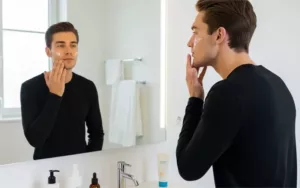


Remove Dark Spots on Face Without Chemicals
Dark spots on face are something many of us deal with at some point, no matter our age. They can appear for different reasons, such as spending too much time in the sun, hormonal changes, acne scars, or simply getting older. Many products claim to remove them quickly, but a lot of these contain harsh chemicals that can damage your skin in the long run. In this article, we’ll share gentle and natural ways to reduce dark spots on your face. We’ll also give tips for lightening dark spots on your legs, all using safe methods that don’t rely on strong chemicals.
Table of Contents
ToggleWhat Causes Dark Spots on Face?
To treat dark spots on face properly, it’s important to first understand why they appear. There isn’t just one reason—several factors can lead to these marks. One of the biggest causes is too much sun exposure. When your skin is exposed to strong UV rays, it produces more melanin, which can result in uneven pigmentation and dark patches. Acne is another common reason. Even after a pimple heals, it often leaves a dark mark behind, known as post-inflammatory hyperpigmentation. Hormonal changes also play a role, especially during stages like pregnancy or menopause, leading to a condition commonly called melasma. On top of that, as we age, certain areas of the skin naturally become darker, making these spots more visible over time.
Common Types of Dark Spots
Not all dark spots are the same, and knowing the difference can make a big impact when choosing the right treatment. For example, freckles are tiny brown spots that usually appear because of sun exposure. Age spots, on the other hand, tend to show up as we grow older and are commonly seen on areas like the face, hands, and legs. Then there are post-inflammatory marks, which develop after the skin heals from issues like acne, cuts, or burns. Another type is melasma, which appears as larger, uneven patches and is often linked to hormonal changes. Once you understand what type of dark spot you’re dealing with, it becomes much easier to treat them naturally and stop them from coming back.
Natural Ways to Remove Dark Spots on Face
If you’re wondering how to remove dark spots on your face quickly using natural methods, there are several simple home remedies you can try that don’t involve harsh chemicals.
Lemon Juice
Lemon juice is well known for its high Vitamin C content, which helps naturally brighten the skin. When applied to dark spots, it can slowly help fade their appearance over time. You can simply squeeze some fresh lemon juice, dip a cotton ball into it, and gently apply it to the affected areas. Leave it on for about 10 to 15 minutes, then wash it off with lukewarm water. Using this method a few times a week can help you notice gradual improvement without relying on harsh treatments.
Aloe Vera
Aloe vera is well known for its soothing and healing benefits for the skin. The gel found inside its leaves contains a natural compound that can help reduce pigmentation and even out skin tone. You can apply fresh aloe vera gel directly to the dark spots as part of your daily routine. With regular use, it can gradually fade the spots while also leaving your skin feeling softer and more refreshed.
Honey and Turmeric Mask
Honey and turmeric have been trusted in skincare for generations because of their natural benefits. Turmeric contains a powerful compound that helps control excess melanin, which can reduce the appearance of dark spots, while honey keeps the skin hydrated and supports healing. To try this remedy, mix a small amount of turmeric with a couple of teaspoons of honey and apply it to the affected areas. Leave it on for about 15 to 20 minutes, then rinse it off with lukewarm water. Using this mixture a few times a week can gradually help improve your skin’s tone and texture.
Apple Cider Vinegar
Apple cider vinegar is known for its natural properties that may help fade pigmentation over time. It contains acetic acid, which can gently improve the appearance of dark spots when used correctly. To use it safely, mix equal parts of apple cider vinegar and water, then apply it to the affected areas with a cotton ball. Leave it on for about 5 to 10 minutes before rinsing it off. With regular use, this simple remedy can gradually help make dark spots less noticeable.
Potato Slices
Potatoes are often used as a simple home remedy because they contain natural compounds and vitamin C that can help brighten the skin. Gently rubbing a thin slice of potato over dark spots for a few minutes allows its juice to absorb into the skin. After that, you can leave it on for around 15 minutes before washing it off. With consistent daily use, this easy method may slowly help even out your skin tone and reduce the appearance of spots.
How to Remove Dark Spots on Face Fast
A lot of people look for quick fixes when dealing with dark spots, but natural remedies usually take time to show real results. That said, you can speed things up by pairing these remedies with a good skincare routine. Gentle exfoliation once or twice a week helps remove dead skin cells and encourages fresh skin to come through. Using sunscreen every day is also important, as it protects your skin and prevents the spots from getting darker. Along with that, drinking enough water and eating a balanced diet rich in vitamins and antioxidants can support your skin from within, helping dark spots fade more effectively over time.
Treating Dark Spots on Legs
Dark spots on the legs are quite common and can develop for several reasons, such as constant friction, insect bites, shaving, or minor skin injuries. The good thing is that many of the same natural remedies used for the face can also be applied to the legs. Ingredients like aloe vera gel, lemon juice, and turmeric masks are generally safe and can help improve skin tone over time. Keeping your legs well-moisturized is also important, as dryness can make dark spots stand out more. Regular, gentle exfoliation can further help by removing dead skin cells and promoting a more even appearance. Just remember to treat your leg skin with care, as it can sometimes be more sensitive than it seems.
Lifestyle Tips to Prevent Dark Spots
Prevention is always better than trying to fix dark spots after they appear. One of the most important steps is protecting your skin from the sun. Make sure to use a broad-spectrum sunscreen with at least SPF 30, and wear hats or protective clothing when you’re outside. Avoid picking or squeezing pimples, as this can lead to post-inflammatory dark spots. Supporting your skin from within is equally important—eat a balanced diet full of fruits and vegetables, stay hydrated, and take care of your overall health. Managing stress and getting enough sleep also play a key role in keeping your skin clear, bright, and less prone to pigmentation.
When to See a Dermatologist
Sometimes, dark spots may not improve with natural remedies, or they could be linked to an underlying health issue. If you notice dark spots appearing suddenly, becoming severe, or changing in color, shape, or size on your face or legs, it’s important to see a dermatologist. In such cases, professional treatments like chemical peels, laser therapy, or prescription creams may be necessary. A dermatologist can recommend the safest and most effective options specifically suited to your skin type.
FAQs
What causes dark spots on face?
Dark spots on face can be caused by sun exposure, acne scars, hormonal changes, aging, or skin injuries. Overproduction of melanin leads to these dark patches.
How can I remove dark spots on face fast?
Natural remedies like lemon juice, aloe vera, honey-turmeric masks, and apple cider vinegar can help. Using sunscreen, exfoliating gently, and staying hydrated also speeds up results.
Can dark spots on face go away naturally?
Yes, many dark spots can fade naturally over time, especially if you protect your skin from the sun and maintain a healthy skincare routine.
How to remove dark spots on face fast naturally?
Apply remedies like aloe vera gel, turmeric-honey masks, or potato slices regularly. Avoid harsh chemicals and always use sunscreen to prevent further darkening.
Are dark spots on legs treated the same way as on face?
Yes, natural remedies like aloe vera, lemon juice, and turmeric masks can also work on dark spots on legs. Moisturizing and gentle exfoliation are important.
Does sunscreen help prevent dark spots?
Absolutely. Sunscreen protects your skin from UV rays, which can trigger melanin production and worsen dark spots. Use SPF 30 or higher daily.
How long does it take to remove dark spots naturally?
It can take a few weeks to several months depending on the type and depth of the dark spots. Consistency is key with natural remedies.
Can diet affect dark spots on face?
Yes, eating fruits and vegetables rich in vitamins C and E, staying hydrated, and avoiding excess sugar or processed food can improve skin health and reduce pigmentation.
When should I see a dermatologist for dark spots?
See a dermatologist if dark spots suddenly appear, change in size, color, or shape, or do not improve with natural remedies. Professional treatments may be needed.
Are chemical creams safe for dark spots?
Some chemical creams may work but can irritate or damage the skin if overused. Natural methods are safer and recommended for long-term results.
Conclusion
Dark spots on the face and legs are a common concern, but the good news is that they can be treated and prevented naturally without relying on harsh chemicals. Using remedies like lemon juice, aloe vera, turmeric, and apple cider vinegar can gradually help lighten these spots and improve your overall skin tone. For the best results, combine these natural treatments with a proper skincare routine, daily sun protection, and a healthy lifestyle. Keep in mind that consistency is key—natural methods may take time, but they are safe and effective. Begin today, and take steps toward a clear, radiant, and spot-free complexion.
For more interesting articles, visit alamdiya.com
Tags
- dark spots on face, dark spots on legs, dark spots treatment, fade dark spots naturally, home remedies for dark spots on face, how to remove dark spots on face fast, how to remove dark spots on face fast naturally, natural remedies for dark spots, remove dark spots without chemicals, skin pigmentation remedies