


Some artists become known through galleries, while others gain attention because they work with an unusual medium. Stacy Poitras is known for turning large pieces of wood into detailed sculptures using chainsaws and other carving tools. His work combines traditional artistic ideas with a physical and demanding form of craftsmanship.
Born in Plymouth, Massachusetts, Poitras developed an interest in art at an early age. He studied painting at the School of the Museum of Fine Arts in Boston before moving toward wood carving. Over time, chainsaw sculpture became the main focus of his professional career.
His work later reached a wider audience through television, especially through CMT’s Chainsaw Gang. He also built a professional business through Deadwood Tree Sculptures in California. His career has included custom sculpture, television appearances, and work connected with film.
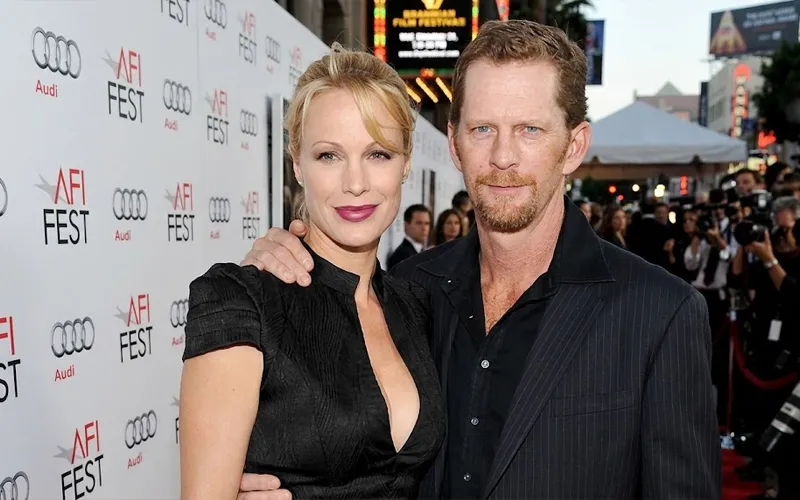
His marriage to actress and director Alison Eastwood has also brought public interest to his life. However, his career as an artist remains an important part of his story and gives him an identity beyond his connection to Hollywood.
Quick Bio
| Detail | Information |
| Full Name | Stacy Poitras |
| Profession | Chainsaw sculptor, artist and television personality |
| Birthplace | Plymouth, Massachusetts, United States |
| Education | School of the Museum of Fine Arts in Boston |
| Known For | Large-scale wood and chainsaw sculptures |
| Business | Deadwood Tree Sculptures |
| Television | Chainsaw Gang |
| Wife | Alison Eastwood |
| Marriage | 2013 |
| Base | California |
| Artistic Medium | Wood, chainsaws and carving tools |
From Art to Chainsaw Carving
Poitras’s early education focused on painting, giving him a foundation in composition, proportion, form, and visual balance. Those skills later became useful when he moved into wood sculpture.
Wood offered him a very different way to work. A tree trunk already has its own shape, grain, knots, and natural marks. Instead of starting with a completely empty surface, he had to study the material and decide how its natural features could work with his design.
Chainsaw carving also demands careful planning. Removing wood is permanent, so each major cut has to be considered before it is made. Large forms are usually created first, followed by smaller details that give the sculpture its final appearance.
This combination of artistic knowledge and physical skill helped him develop a style that was very different from traditional painting.
Deadwood Tree Sculptures
Deadwood Tree Sculptures became an important part of Poitras’s professional career. Based in California, the business focuses on creating custom wood sculptures from large tree sections and other pieces of timber.
The material itself can present many challenges. Wood species differ in hardness, grain direction, weight, and texture. A sculptor must understand these characteristics while also deciding how the finished work should look.
Large commissions can involve much more than carving. Planning the design, preparing the material, using different tools, and completing the surface all require time and technical ability. Transportation and installation can also become important when the sculpture is particularly large.
Through this work, Poitras turned a specialized craft into a long-term profession. His business also gave him a platform to create pieces for private clients, public spaces, and other settings.
The Artistic Language Behind His Sculptures
His sculpture work covers a wide range of subjects, including animals, people, anatomical forms, and imaginative designs. This variety shows that he has not limited himself to one type of carving.
Human figures require close attention to proportion. The position of the head, shoulders, arms, legs, and body must work together from different viewing angles. Even a small mistake can affect the entire figure.
Animal sculptures require a different approach. Details such as fur, muscles, claws, feathers, and facial features have to be suggested through shape and texture. The artist must create a sense of movement and character without depending on painted detail.
These challenges make the finished pieces more than simple wooden decorations. The material, subject, scale, and carving technique all contribute to the final result.
The 7 Deadly Sins
One of Poitras’s more unusual projects involved his interpretation of the seven deadly sins. The project allowed him to use sculpture to represent ideas rather than only physical subjects.
The figures were designed around concepts such as greed, pride, and sloth. Their large size gave them a strong visual presence, while their themes added another level of meaning.
The representation of sloth was especially interesting because its unfinished appearance became part of the concept. Instead of being simply an incomplete sculpture, the unfinished state supported the idea the figure was meant to represent.
This project showed how his work could move beyond traditional animal or figure carving. The chainsaw became a tool for communicating an idea as well as creating a physical form.
Stacy Poitras
A Monumental Take on Michelangelo’s David
Another major project was a large wooden interpretation of Michelangelo’s David. Poitras created the piece from a massive redwood stump during his television work.
Recreating such a well-known figure required careful attention to anatomy, posture, proportion, and balance. The size of the material added another challenge because the artist had to maintain the shape of the figure across a very large surface.
The project also demonstrated why large wood carving can be so engaging for an audience. Viewers can see a rough piece of timber gradually develop into a recognizable human figure.
It was a strong example of how traditional artistic subjects can be reinterpreted through a very different material and technique.
Television and the Wider Public
Poitras became more widely known through CMT’s Chainsaw Gang, a reality series focused on chainsaw artists and large-scale carving projects.
The program gave viewers a closer look at the work behind the finished sculptures. Planning, deadlines, difficult materials, heavy equipment, and detailed carving were all part of the process.
Television also introduced his personality to people who may not have previously known about chainsaw sculpture. Instead of seeing only completed artworks, viewers could follow the work as it developed.
This exposure helped bring a specialized form of craftsmanship to a much larger audience.
Film Work Beyond Chainsaw Carving
His creative work has also included film-related projects. His credits have included work connected with productions such as Sully, Battlecreek, and Real Men Drink Kale.
Film production often depends on physical details such as sets, props, objects, textures, and practical construction. Experience with materials and visual design can therefore be useful in this environment.
His film-related work shows that his professional abilities are not limited to chainsaw sculpture. He has been able to apply his practical and artistic skills in other forms of visual production.
Stacy Poitras and Alison Eastwood
His relationship with actress and director Alison Eastwood is another well-known part of his public life. Eastwood has worked in acting and filmmaking, while Poitras has built his career around sculpture and craftsmanship.
The couple married on March 15, 2013, in California in a private ceremony. Their relationship attracted attention partly because Eastwood is the daughter of actor and filmmaker Clint Eastwood.
According to accounts of their relationship, Eastwood first encountered Poitras near his carving work while she was riding her horse in California. What began as a simple meeting later grew into a lasting relationship.
The connection between alison eastwood and stacy poitras has remained a point of public interest because both have creative careers, although they work in very different fields.
Creativity and Compassion
Animal welfare has been an important part of Eastwood’s interests, particularly through the Eastwood Ranch Foundation. Helping animals and caring for their welfare are its main priorities.
Poitras has also been connected with this work, giving the couple a shared interest outside their professional careers.
Their work reflects how two unique creative experiences can come together in a meaningful way. Eastwood’s work is connected with film and entertainment, while Poitras spends much of his professional life working with wood and sculpture.
Their shared involvement with animal welfare adds another dimension to their public story and shows that their interests extend beyond their individual careers.
Do They Have Children?
Questions about stacy poitras children are common because people are interested in the couple’s family life. Public biographical information generally reports that Poitras and Eastwood do not have children together.
The couple has instead been associated with animal rescue and the care of rescued animals. Their involvement in this area has been a visible part of their life.
Because both are public figures, personal questions often receive as much attention as their professional work. Still, Poitras’s sculpture career remains the stronger part of his professional identity.
His Height
Online searches for stacy poitras height often produce estimates of around 6 feet 1 inch, or about 185 centimeters.
There is no widely established official measurement that confirms this figure. Celebrity height information can vary between websites, and photographs are not always reliable for making exact comparisons.
For that reason, the figure is best treated as an estimate rather than a confirmed fact.
His Net Worth?
The topic of stacy poitras net worth is difficult to answer with complete accuracy because there is no widely verified public record showing his exact personal wealth.
His income may come from several areas, including sculpture commissions, his business, television appearances, and film-related work. Large custom sculptures can also involve significant fees because of the time, materials, equipment, and labor required.
However, private business earnings are not normally available to the public. Online estimates can therefore vary and should not automatically be treated as confirmed figures.
His long career and several professional activities show that he has built a sustainable creative business, even though his exact financial position remains private.
Is There a Wikipedia Page for Him?
People searching stacy poitras wikipedia may expect to find a detailed standalone biography. However, information about his career has appeared through other public profiles, television references, and sources related to his work.
Wikipedia pages and coverage can change over time, so the availability of a dedicated page should not be treated as a measure of a person’s professional importance.
It is also worth checking names carefully when searching online because people with similar names can sometimes appear in unrelated results.
A Closer Look at His Sculpture Technique
Chainsaw carving allows an artist to remove large amounts of wood quickly, but creating detailed forms requires much greater control.
The process usually begins with broad cuts that establish the general shape. At this stage, the focus is on the overall proportions rather than small details.
Once the main form has been established, smaller carving tools can be used to refine areas such as faces, muscles, textures, and other features. Different tools allow the artist to move from rough shaping to more precise work.
Controlled scorching can also be used to darken parts of the wood and create contrast. This can help certain textures or sections of a sculpture stand out.
The technique requires both speed and patience. Large cuts help create the basic structure, while detailed work determines the character of the finished sculpture.
Images and the Story They Tell
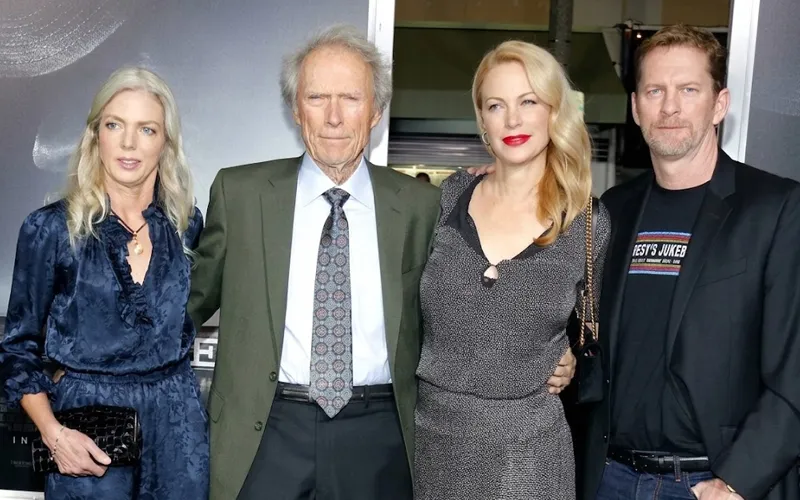
Searches for stacy poitras images often show two sides of his public life. Some photographs show him working around logs, carving tools, and unfinished sculptures. Others show him at public events with Alison Eastwood.
Stacy Poitras
Workplace photographs highlight the physical nature of his profession. Event photographs show a more formal side of his public image.
Together, these images provide a useful view of how his professional and public worlds differ. stacy poitras daily work is centered on tools and materials, while public appearances require a more polished presentation.
His Fashion Style
stacy poitras fashion choices generally reflect his practical personality. Rather than relying on highly formal outfits at every event, he often combines relaxed clothing with more structured pieces.
A jacket with a simple shirt and dark trousers or jeans can create a polished appearance without looking overly formal. This style works well with his background as a working artist.
For public events, understated colors and simple combinations allow the clothing to look neat without becoming the main focus. His appearance usually remains connected to his natural, rugged image.
This makes his fashion style different from the highly polished image often associated with Hollywood celebrities.
From Workshop Clothing to Event Dressing
Working in a sculpture environment requires clothing that allows movement and provides practical protection. Durable shirts, work trousers, gloves, eye protection, and hearing protection are more important than appearance when operating power tools.
Public events require a different approach. The same practical personality can be expressed through jackets, clean shirts, well-fitted trousers, and sturdy footwear.
The difference is mainly about function. Workshop clothing is designed for safety and comfort, while event clothing is designed for presentation.
This contrast helps explain why his public style can look more refined without appearing completely different from his everyday identity.
Art and Personal Style
There is a clear visual link between his work and his personal style. His sculptures often combine natural textures with carefully shaped details, and his clothing tends to follow a similar balance between rough and polished elements.
Wood provides an organic appearance, while detailed carving gives it structure. In a similar way, simple clothing can look more distinctive when combined with a well-cut jacket or strong footwear.
His approach does not depend heavily on changing fashion trends. Instead, it focuses on a consistent appearance that suits his professional background.
Why His Creative Journey Stands Out
The unusual part of his career is the way several creative fields have come together. He began with traditional art studies, developed a career in wood sculpture, created large conceptual pieces, appeared on television, and later worked on film-related projects.
Each stage added something different to his professional experience. Painting provided an artistic foundation, sculpture gave him a specialized craft, and television introduced that craft to a wider audience.
His career is therefore an example of how an artist can develop a distinctive profession by moving from one creative discipline into another.
The Broader Appeal of Chainsaw Sculpture
Chainsaw sculpture attracts attention because the transformation is easy to see. A large piece of timber can gradually become a recognizable person, animal, or object.
The tool itself creates a dramatic element, but the quality of the finished work depends on the artist’s understanding of shape, balance, texture, and proportion.
Poitras’s television exposure helped introduce this type of craftsmanship to viewers who may not have encountered it before. His work showed that chainsaw carving can involve planning and artistic judgment rather than simply cutting wood with a power tool.
Beyond the Eastwood Name
His marriage to Alison Eastwood naturally connects him with the Eastwood family and Hollywood. However, his professional career has its own history.
His work in sculpture, his Deadwood Tree Sculptures business, television appearances, and film-related activities were developed through his own skills and interests.
The Eastwood connection has increased public attention around his personal life, but it does not define the work for which he is best known. His identity as a sculptor remains central to his career.
Looking at His Legacy as an Artist
His work stands out because it combines accessible subjects with ambitious projects. Animals and human figures can be immediately understood by viewers, while conceptual pieces can encourage people to think about the meaning behind the sculpture.
His career also demonstrates how an ordinary natural material can become a medium for serious creative work. Large pieces of wood can be shaped into detailed forms through planning, technical ability, and patience.
His long involvement with this craft has helped establish chainsaw sculpture as an important part of his professional identity.
Frequently Asked Questions
1. Who is Stacy Poitras?
Stacy Poitras is an American artist and chainsaw sculptor known for creating large wooden sculptures. He has also appeared on television and worked on film-related projects.
2. What is Stacy Poitras best known for?
He is best known for his large-scale wood and chainsaw sculptures. His work includes human figures, animals, and conceptual pieces.
3. What kind of art does Stacy Poitras create?
He creates sculptures from large pieces of wood using chainsaws and other carving tools. His work combines traditional artistic skills with hands-on craftsmanship.
4. Is Stacy Poitras married to Alison Eastwood?
Yes, He is married to actress and director Alison Eastwood. They married in California in 2013 and have also shared an interest in animal welfare.
5. Does Stacy Poitras have children?
Public biographical information generally reports that Stacy Poitras and Alison Eastwood do not have children together. They have instead been associated with animal rescue and welfare activities.
6. What is Stacy Poitras’s net worth?
There is no widely verified public figure for Stacy Poitras’s exact net worth. His income may come from sculpture commissions, his business, television appearances, and film-related work.
7. How tall is Stacy Poitras?
Online sources often estimate Stacy Poitras’s height at around 6 feet 1 inch, or approximately 185 centimeters. However, this measurement is not widely confirmed by an official source.
8. Does Stacy Poitras have a Wikipedia page?
People searching for Stacy Poitras Wikipedia information may find details about his career through different public sources. The availability of a dedicated Wikipedia page can change over time.
Conclusion
Stacy Poitras has built a career around an unusual combination of art and craftsmanship. Early studies in painting provided a foundation, while wood carving gave him a distinctive medium through which he could develop his own style.
His work with Deadwood Tree Sculptures, television appearances on Chainsaw Gang, conceptual projects, and film-related activities have all contributed to his professional journey. His sculptures show how wood can be shaped into detailed figures, animals, and larger artistic statements.
stacy poitras marriage to Alison Eastwood has brought additional public attention, but his own work remains central to his identity. His involvement with animal welfare and his practical approach to public style add further dimensions to his life.
The strongest part of his story is the development of a career around a specialized skill. What began as an interest in art eventually became a profession built around wood, tools, imagination, and years of hands-on experience.