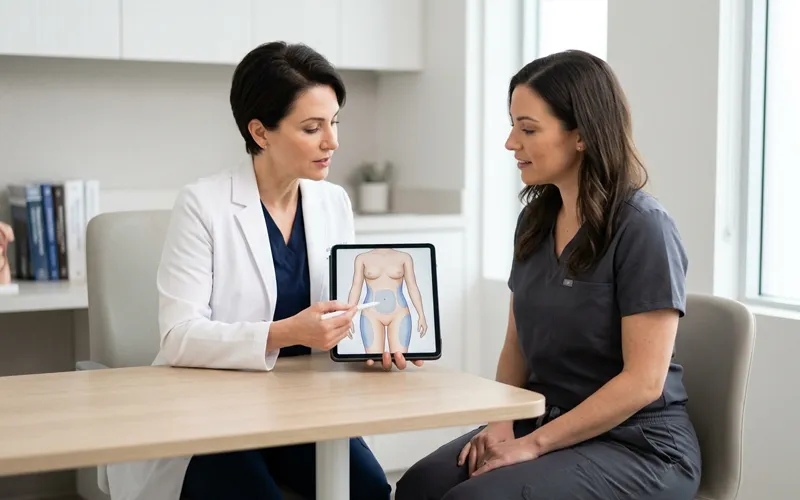
The Role of Liposuction in Body Contouring: What to Expect
Achieving target body shape goals requires more than regular diet and exercise habits. Stubborn fat deposits lingering around targeted areas resist traditional wellness efforts.
Cosmetic refinement methods target those stubborn zones to help refine body outlines. Understanding how these procedures function helps individuals set practical expectations prior to booking a consultation.
Table of Contents
ToggleTarget Areas and Ideal Candidate Criteria
Some people have areas of body fat that do not change much with diet and exercise. Modern liposuction surgery helps remove localized fat deposits from zones like the abdomen, thighs, and arms. Choosing a qualified surgeon is important for safe treatment and good care.
Liposuction is used to change the shape of certain body areas, not as a way to lose a lot of weight. People who are near a stable weight may be better suited for the procedure. Your surgeon can explain whether it is right for you.
Healthy adults with realistic goals may have good results. Skin that can tighten well after fat removal can help create a smoother shape.
Understanding the Procedure Process
The procedure can be different for each person. The surgeon chooses the treatment areas based on your body and your goals. Small cuts are made so thin tubes can be placed under the skin to remove unwanted fat.
Anesthesia is used to help keep you comfortable during the procedure. The type of anesthesia depends on the treatment and your health. Your surgeon will explain what will be used and what you can expect during the procedure.
Before the procedure, your medical team will give you instructions to follow. These may include rules about food, drinks, medicines, and other daily activities. Following these instructions carefully can help you prepare and support a smoother recovery.
Recovery Milestones and Physical Activity
Recovery takes time, so it is important to follow your doctor’s instructions. Resting after the procedure gives your body time to begin healing.
- Rest after the procedure
- Wear compression garments
- Avoid heavy lifting
- Follow your doctor’s instructions
- Keep follow-up appointments
Many people can return to light daily activities within one to two weeks. Regular exercise may need to wait four to six weeks, depending on the procedure and your recovery.
Long-Term Results and Expectations
The final results of body contouring may take several months to become clear. Swelling slowly goes down as the body heals. Many people see their shape continue to change during the first three to six months after the procedure.
Fat cells removed during the procedure do not grow back in the same area. If your weight increases, the fat cells that remain in the body may expand in size. Eating balanced meals and keeping a stable weight can help maintain your results.
It is important to have realistic goals before treatment. Talk with your surgeon about the changes you want and what the procedure can achieve.
All About Liposuction in Body Contouring
Body contouring offers a reliable pathway to refine silhouette areas that resist traditional fitness routines. Understanding procedure stages helps patients make confident choices for their personal transformation.
Consulting experienced plastic surgery professionals supports safety and customized treatment plans. Planning recovery sets the foundation for lasting satisfaction and improved confidence. For additional information and helpful insights, explore more related topics on our blog.
FAQs
What is body contouring?
Body contouring is a cosmetic approach used to improve the shape and appearance of specific areas of the body.
How does liposuction help with body contouring?
Liposuction removes localized fat deposits from areas such as the abdomen, thighs, and arms to create a more defined body shape.
Is liposuction a weight-loss procedure?
No. Liposuction is mainly used to remove stubborn fat and improve body shape rather than achieve significant weight loss.
Who may be a suitable candidate for liposuction?
Healthy adults who are near a stable weight and have realistic expectations may be suitable candidates. A qualified surgeon can assess individual suitability.
How long does recovery from liposuction take?
Recovery varies by person and procedure. Light daily activities may resume within one to two weeks, while strenuous exercise may require several more weeks.
When will body contouring results become visible?
Swelling can take time to settle. The final body shape may become clearer over several months as the body continues to heal.
Can fat return after liposuction?
The removed fat cells do not return in the treated area, but remaining fat cells can enlarge with weight gain. Maintaining a stable weight can help preserve results.
What should I discuss with my surgeon before liposuction?
Discuss your desired results, treatment areas, medical history, anesthesia, possible risks, recovery, and realistic expectations during your consultation.
Tags