
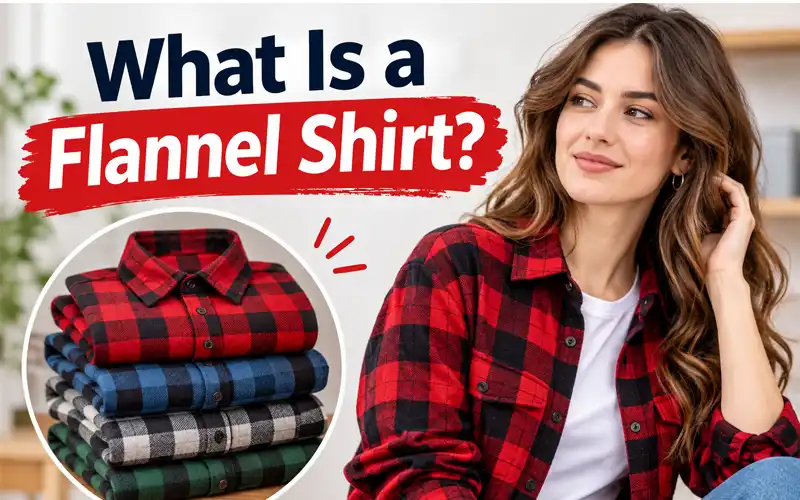
Open almost any closet when the weather turns cold and you will find one. It might be red and black, faded blue, or plain grey, and it probably carries a few years of happy wear. So what is a flannel shirt, and why does it return to so many wardrobes every autumn?
A flannel shirt is a button-up shirt made from a brushed cloth that feels warm and slightly fuzzy against the skin. It began as simple workwear and grew into a favorite for people of every age. This guide explains the fabric, the main kinds of shirts, how to choose a good one, and how to wear and care for it, so you can decide which one suits you best.
Simple Meaning of a Flannel Shirt
Flannel Cloth Meaning Explained
The flannel cloth meaning comes down to one idea: it is a fabric. It is a woven cloth that has been brushed so the surface turns slightly fuzzy, and the word is believed to have Welsh roots linked to wool, because the earliest flannel was made from wool alone.
So when someone asks what is a flannel shirt, the answer is simple. It is any shirt cut from flannel cloth, usually with a button front, a collar, and long sleeves. The shirt takes its name from the material, which is why the same word can describe a work shirt, a pajama top, or a neat weekend shirt.
Basic Look and Feel
Pick one up and the first thing you notice is the touch. The surface feels gentle and a little raised, like the inside of a brushed blanket, while the color looks calm and matte instead of shiny.
Most flannel shirts follow a standard cut with a collar, a button front, and one or two chest pockets. The cloth is thicker than a regular cotton shirt but still bends and drapes easily, so the shirt looks relaxed instead of stiff.
Fabric Versus Pattern
Why People Mix Them Up
Many flannel shirts come in a checked design, so the two words ended up stuck together. Shops, films, and everyday talk use “flannel” as a nickname for any checked shirt, and the habit spread until a cloth name and a design name began to sound like one thing.
The difference is simple. Flannel describes how the cloth is made and finished, while plaid describes the crossing lines of color on it. They often meet in the same shirt, which is exactly why they get confused.
Easy Ways to Spot the Difference
In the flannel vs plaid shirt question, the quickest test is touch. Run your hand over the cloth. If it feels fuzzy, it is flannel. If it feels smooth and crisp, it is probably a plain checked cotton shirt, even when the design looks identical.
Turn the shirt inside out for a second test. Flannel looks hazy and slightly raised on the inside, while smooth cloth shows a clean, flat weave. Checks also appear on poplin and oxford cloth, and flannel itself comes in solids and stripes, so one never guarantees the other.
Weave and Brushing Behind the Softness
Twill and Plain Weave
The flannel weave starts with ordinary yarn woven on a loom, usually in one of two ways. A twill weave crosses the threads in a stepped order that creates faint diagonal lines. It is strong, drapes well, and tends to hold up better under hard wear, which is why many good shirts use it.
A plain weave simply goes over and under, one thread at a time. It is lighter and cheaper to make, so you often find it in budget shirts and thinner fabrics. Both can become flannel once the finishing step is done.
Napping Process
The gentle texture arrives after weaving, in a step called napping. The cloth passes over rollers covered in fine wire bristles that pull tiny fiber ends out of the yarn. Those loose ends stand up and form the fuzzy surface you can feel.
Long ago, mills used the dried heads of the teasel plant for the same job. Today machines do it in minutes, yet the idea has not changed: a flat, ordinary weave becomes a brushed cloth with real depth.
Single or Double Brushed
Some flannel is brushed on one side only, which keeps the outer face a little smoother and the pattern sharper. Double-brushed flannel is treated on both sides, so it feels plush inside and out.
Double brushing feels lovely straight off the shelf, but very heavy brushing can thin the yarn. That is why some very plush shirts wear out sooner at the elbows and cuffs, so a balanced finish is better than the fluffiest one.
Materials Used to Make It
Cotton Flannel Shirt Basics
A cotton flannel shirt is the version most people own today. Cotton breathes well, washes easily, and costs far less than wool. It feels comfortable from the first wear and tends to become gentler with each wash.
Quality depends on the yarn, since longer cotton fibers make a smoother and stronger cloth. Cotton also soaks up sweat, so it suits calm days better than hard exercise.
Wool Flannel Shirt Benefits
A wool flannel shirt is the original kind. Wool handles damp air well, so it stays comfortable on wet, chilly days when cotton might feel clammy. It also holds its shape nicely and resists odor, so you can wear it more often between washes.
The trade-off is price. Wool costs more than cotton and usually appears in heavier shirts made for serious cold.
Blends and Synthetic Options
Blends mix cotton with polyester or other fibers. They resist wrinkles and keep their color well, which makes them handy for work shirts and busy weeks. Pure polyester flannel is common in budget pieces, though it breathes less than natural fibers.
Read the fabric label before buying, since a blend can feel great or feel plasticky depending on how well it is made.
Fiber Comparison at a Glance
This table puts the three main choices side by side on the points that matter after you bring the shirt home.
| Fiber | Breathability | Drying speed | Care effort | Price |
| Cotton | High | Slow | Easy | Low |
| Wool | Medium | Slow | Needs the care label | High |
| Blend | Lower | Fast | Easy | Low to medium |
Close Cousins Compared
Fleece Is Not Flannel
Fleece is a knitted fabric, usually made from polyester, brushed into a deep, plush pile. Flannel is woven, mostly from cotton or wool, and brushed more lightly. Because of that difference, fleece holds more heat for its weight and dries faster, while flannel breathes better and feels more natural over a full day indoors. Fleece also forms small pills that cling to the surface, which is less common with cotton flannel.
Flannelette and Brushed Cotton
Flannelette is a thinner cotton cloth brushed on one side to imitate the feel of flannel. It is lighter, common in children’s clothing and pajamas, and it lacks the body of true flannel. Brushed cotton is similar: cotton that has been brushed for a gentler touch, but not always woven in the loose way that defines flannel. If a label says brushed cotton, check the thickness and the fuzzy surface before assuming it matches a real flannel shirt.
Kinds of Flannel Shirts to Know
Classic Plaid Button-Up
This is the shirt most people picture first. It has a checked design, usually in red and black, blue and green, or another bold mix, with a button front and long sleeves. It is the everyday casual favorite, and the busy design hides small marks and wear well.
Solid Color Flannel
A solid flannel has no pattern at all, just one calm color such as navy, charcoal, or olive. It looks cleaner and a little more refined than a checked shirt, and it pairs easily with almost anything you already own. Plain colors also show off the texture of the cloth.
Overshirt Style
An overshirt, often called a shacket, is cut roomier and made from thicker flannel. Its heavy cloth and wide body let it stand in for a light jacket on cool days, and it is meant to be worn open or buttoned over other clothes.
Insulated Lined Version
This kind has a quilted or fleece lining sewn inside the flannel. The lining adds body and comfort for outdoor work, early mornings, and long hours outside, so you can skip a separate coat on mild winter days.
Slim Tailored Cut
A slim flannel fits closer to the body, with a shorter length and narrower sleeves. It looks neat instead of rugged, which makes it the best choice for anyone who likes a tidier shape.
Relaxed Women’s Fit
Many women choose flannel in a relaxed or boyfriend cut, which has a longer body, dropped shoulders, and roomy sleeves. Fitted women’s versions are shaped at the waist and have a shorter hem. Both work well with leggings, denim, or skirts.
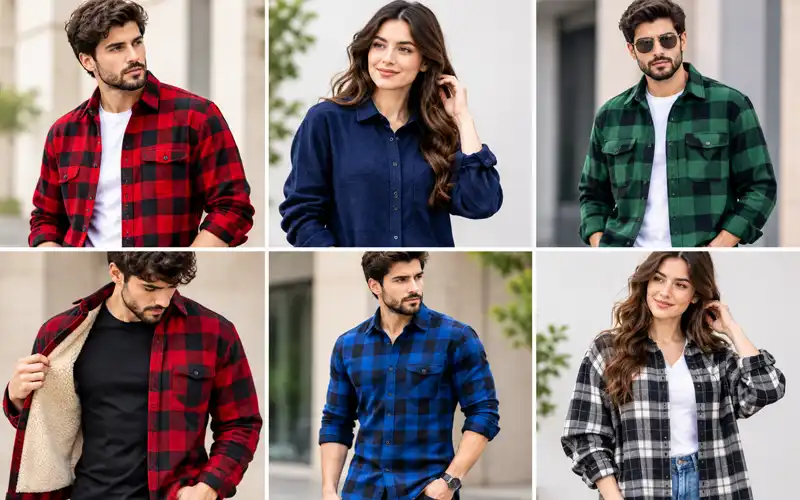
Explore different flannel shirt styles, from classic plaid button-ups to solid colors, oversized fits, and warm lined designs.
Is a Flannel Shirt Warm Enough for Winter
Is flannel warm? Yes, and the reason is the brushed surface. The raised fibers hold tiny pockets of still air close to your body, so the cloth feels warmer than smooth cotton of the same thickness.
Cold Weather Comfort
A single flannel handles brisk autumn days and short winter walks. For real cold, the kind matters: wool and lined versions give the most warmth, while a thin cotton one adds only a gentle boost. When temperatures drop near freezing, treat the shirt as one part of your outfit and finish it with a proper coat.
Wearing It in Mild Weather
Flannel is not only for freezing days. In spring and autumn, a medium flannel worn open gives light cover for cool mornings and evenings. In summer, a thin cotton flannel with the sleeves rolled up can work for breezy nights, especially near water or in the hills.
Where Flannel Fabric Gets Used
What is flannel fabric used for besides shirts? Quite a lot, because a brushed cloth is handy anywhere comfort matters.
Clothing Beyond Shirts
Flannel appears in pajamas, lounge pants, shirt dresses, skirts, and winter trousers. Tailors also sew thin flannel into the lining of coats and vests, and wool flannel has long been a favorite for classic grey suit trousers.
Bedding and Home Items
At home, flannel turns up as bed sheets, duvet covers, blankets, and baby wraps. The surface feels inviting the moment you slide into bed, which is why these items sell best in the colder months. Cotton flannel is also common in washcloths and burp cloths
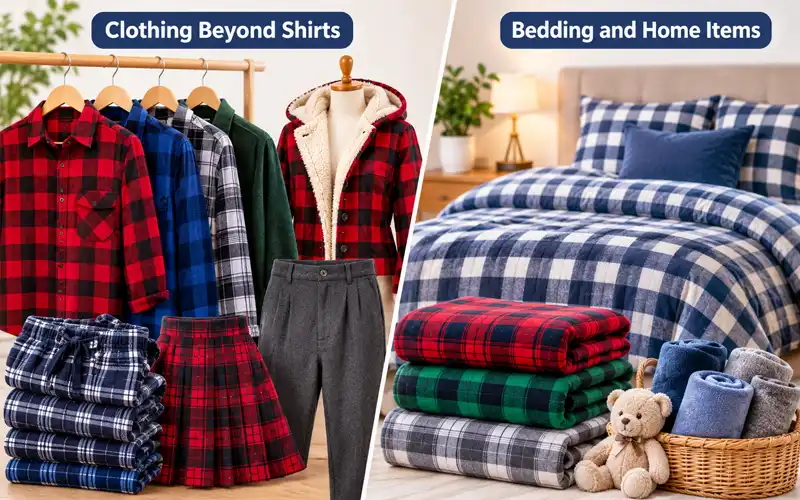
Flannel fabric is used for more than shirts, including comfortable clothing, warm bedding, blankets, and home textiles.
Brief Story of Its Rise
Welsh Roots
Flannel has been made since at least the 1600s, and most historians trace it to Wales, where sheep were plentiful and weavers worked with wool. The cloth was cheap to produce and pleasant to wear, so it spread across Britain and then through Europe. Later, cotton versions arrived and made it affordable for almost everyone.
Workwear to Grunge
In North America, loggers, farmers, and railroad workers wore flannel because it stayed comfortable and survived rough days. The folk tales of Paul Bunyan, always pictured in a bold checked shirt, helped turn it into a symbol of the outdoors.
In the early 1990s, bands from Seattle wore thrift-store flannel on stage, and the shirt became a youth style symbol almost overnight. Since then it has moved in and out of fashion, but it never fully disappears.
Picking the Right Flannel Shirt for Men
Choosing a flannel shirt for men is easier when you check four things in order: fit, thickness, build quality, and color.
Fit and Size
Check the shoulders first, since the seam should sit at the edge of your shoulder bone. The sleeves should end near the wrist when your arms hang down, and the body should let you lift your arms without the hem rising. Leave room for a tee underneath, because most people wear flannel over something.
Weight and Thickness
Cloth weight is measured in ounces per square yard. Lighter flannel, around 4 to 5 ounces, suits layering and mild days. Heavier flannel at 8 ounces or more feels closer to a light jacket and suits cold days and outdoor work. Pick the weight by your climate, not only by the look.
Quality Checks
Hold the cloth up to a window. If you can see through it easily, the weave is thin and will wear fast. Look at the seams, which should be tight and even around the shoulders and arms, and check that the lines of a checked shirt meet neatly at the pocket and button strip.
Then turn a patterned shirt inside out. Woven-in checks look nearly as sharp on the inside, while printed checks look faded and tend to wear away at the collar and cuffs. Finally, rub the surface lightly, because a good brushed surface should not come off in clumps.
Colors and Patterns
Start with colors that match what you already own, such as navy, grey, olive, and burgundy. Bold reds and bright checks are fun but harder to mix, so add them once you have a few safe options in your closet.
Styling Ideas
Casual Look with Jeans
The easiest outfit is a flannel shirt, buttoned or half buttoned, with dark or light jeans and sturdy boots or white sneakers. Roll the sleeves to the forearm for a relaxed feel, and add a simple watch or cap if you like.
Open Over a Plain Tee
Leave the shirt unbuttoned over a plain white, grey, or black tee. The tee gives a clean base and the open flannel adds color and texture. This works well with chinos, cargo pants, or shorts in mild weather.
Smart Dressed-Up Option
For a neater look, pick a solid flannel in charcoal or navy, tuck it into dark trousers, and wear leather shoes. A blazer on top turns it into smart casual wear that suits dinner or a relaxed office day.

Discover three easy ways to style a flannel shirt, from casual denim outfits to layered and smart casual looks.
Washing and Care Tips
Preventing Shrinkage
Cotton flannel can shrink a few percent in its first hot wash, so start with cold water. Turn the shirt inside out, use a gentle cycle, and wash with similar colors. A preshrunk label means less tightening, and if it is missing, expect the shirt to come out a touch snugger.
Drying and Storage
Hang the shirt to dry, or tumble on low heat and take it out while slightly damp, because strong heat roughens the brushed surface. Store it folded or on a wide hanger in a dry place. Wash it only when needed, since fewer washes keep the cloth in good shape for longer. Wool flannel should follow its care label, which often asks for hand washing.
Frequently asked questions
Does It Feel Itchy on Skin
Cotton flannel feels very gentle against the skin. Some wool flannel can feel scratchy on sensitive skin, so choose a fine wool or wear a thin tee underneath.
Can Kids Wear It
Yes. Cotton flannel is a common choice for children’s shirts and pajamas. For sleepwear, follow the safety labels on the garment and choose the size on the tag instead of buying very loose.
Will It Fade Over Time
Slowly, and mostly because of hot water and strong sunlight. Washing in cool water and drying the shirt in the shade keeps the shade fresh for much longer.
Should You Iron It
Usually you do not need to. A quick steam or a light press on the reverse side at medium heat removes wrinkles without flattening the brushed surface.
Are Flannel Shirts Eco-Friendly
Natural fibers such as cotton and wool are generally gentler on the environment than polyester. The biggest gain comes from buying a well-made shirt and wearing it for many years.
Which Flannel Is Best for Beginners
A medium cotton flannel in a classic check or a solid color is the easiest first pick. It is comfortable in most seasons, simple to wash, and easy to style.
How Long Does a Flannel Shirt Last
With careful washing and good stitching, a quality flannel can last many years and often feels better with age. Thin, cheap versions may wear out in a season or two.
Final Thoughts
A flannel shirt is a woven, brushed shirt that earns its place through comfort, value, and easy style. It comes in cotton, wool, and blended versions, and in kinds that range from the classic plaid button-up to a slim tailored cut.
Choose a weight that suits your climate, check the weave and seams before you buy, and wash it gently. Do that once, and you will understand why so many people keep reaching for the same shirt year after year.