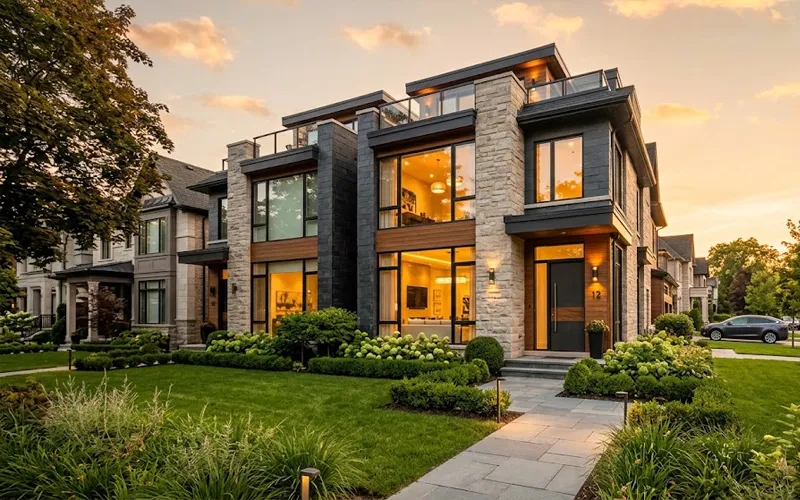
What Makes a Luxury Townhome Community Worth It?
Buying a home is one of the biggest financial and lifestyle decisions most people will ever make, and for a growing number of buyers, luxury townhomes have become the sweet spot between a single-family house and a high-rise condo. They offer more space and privacy than an apartment, less maintenance than a detached home, and often come wrapped in resort-style amenities that make everyday life feel a little more elevated. But not every townhome development marketed as “luxury” actually delivers on that promise. So what separates a truly premium community from one that’s just charging premium prices? If you’ve been searching for luxury townhome communities near me and trying to figure out how to tell the good ones apart, this guide breaks down exactly what to look for.
Table of Contents
ToggleLocation Is Still the Foundation
No amount of marble countertops or rooftop lounges can make up for a bad location. The best luxury townhome communities are built with intention around where people actually want to live and how they want to move through their day.
Look for these location fundamentals:
- Proximity to major employment hubs, so the commute stays reasonable
- Walkability to restaurants, cafes, and boutique shopping
- Access to highly rated schools, even if you don’t have kids, since it affects resale value
- Nearby parks, trails, or green space for outdoor recreation
- Reasonable distance to airports or major transit lines for frequent travelers
A well-located community also tends to hold its value better over time. Developers who invest in prime land are typically more selective about the quality of construction and design because they know the location alone will draw scrutiny from discerning buyers.
Architectural Design and Build Quality
Luxury should be visible in the bones of the building, not just the finishes. Cheap construction dressed up with nice paint and staged furniture is one of the most common ways developers cut corners while still using the word “luxury” in their marketing.
When touring a community, pay attention to things like sound insulation between units, the quality of windows and doors, ceiling height, and whether the layout actually makes sense for modern living. Open floor plans, abundant natural light, and thoughtful storage solutions are hallmarks of a well-designed townhome. Exterior architecture matters too. Communities that use varied facades, quality brick or stone, and cohesive landscaping tend to feel more like a curated neighborhood than a mass-produced subdivision.
It’s also worth asking about the materials used for roofing, siding, and structural elements. A builder who is willing to share detailed specifications is usually more confident in the quality of their work than one who deflects the question.
Amenities That Actually Add Value
Amenities are often the first thing people notice, but not all amenities are created equal. A community can list a dozen features on its brochure and still feel underwhelming if those features are poorly maintained or rarely used.
The amenities that tend to make the biggest difference in daily life include:
- A well-equipped fitness center that eliminates the need for a separate gym membership
- A pool and lounge area for relaxation and social gatherings
- Secure, gated entry or controlled access points
- Dedicated parking or private garages
- Dog parks and grooming areas for pets.
- Coworking spaces or private meeting rooms for remote professionals
- Concierge or on-site management for packages, maintenance requests, and general support
The key is to think about which amenities you’ll realistically use. A rooftop terrace with skyline views sounds impressive, but if you’re not the type to entertain often, it may matter less to you than reliable high-speed internet infrastructure or a quiet, well-lit walking path.
HOA Fees and What They’re Actually Paying For
Homeowners association fees are one of the biggest points of confusion for buyers new to townhome living. In a luxury community, these fees are usually higher than average, but that’s not automatically a red flag. The real question is whether the fee structure is transparent and whether it corresponds to tangible services.
A well-run HOA in a luxury community typically covers:
- Landscaping and exterior maintenance
- Snow removal and seasonal upkeep
- Upkeep of shared pools and fitness areas
- Building insurance for common areas
- Reserve funds for major repairs, like roofing or paving
Before buying, it’s worth requesting the HOA’s financial statements and reserve fund balance. A community with a healthy reserve fund is less likely to hit residents with sudden special assessments down the road. If the HOA has a history of underfunding reserves or deferring maintenance, that’s a warning sign no matter how polished the property looks on the surface.
Community Culture and Social Fit
Luxury isn’t only about physical features. It’s also about the people you’ll be living alongside and the overall atmosphere of the neighborhood. Some communities lean heavily into a social, event-driven culture with regular resident mixers, holiday gatherings, and clubs. Others are quieter and more private, appealing to buyers who want luxury without the socializing.
Neither approach is inherently better, but it’s important to find a community whose culture matches your lifestyle. Talking to current residents, browsing community social media pages, or attending an open house event can give a realistic sense of the vibe before committing.
Developer and Builder Reputation
The name behind the project matters more than most buyers realize. Established developers with a strong track record are more likely to deliver on their promises, maintain consistent quality across phases of a development, and stand behind their warranties.
Before purchasing, it’s worth researching:
- Past projects the developer or builder has completed
- Online reviews from residents in other communities they’ve built
- Whether the developer has a history of litigation or unresolved complaints
- How long the company has been operating in the area
A reputable builder will typically be transparent about warranty coverage, response times for repair requests, and how they handle disputes. If a sales representative is evasive about these details, it’s worth digging deeper before signing anything.
Resale Value and Long-Term Investment Potential
Even buyers who plan to stay in their townhome for decades should think about resale value, because life circumstances change. Luxury townhome communities that hold their value tend to share a few traits: strong location fundamentals, limited but well-executed amenities, low turnover rates among residents, and a builder reputation that continues to be respected years after the community is completed.
It also helps to look at comparable sales data for similar communities in the area. If prices in a given development have consistently appreciated over the past several years, that’s a strong signal the community offers lasting value rather than a temporary marketing sheen.
Sustainability and Smart Home Features
Modern luxury increasingly includes energy efficiency and smart technology. Buyers today often expect features like solar-ready roofing, energy-efficient appliances, smart thermostats, and integrated security systems. These upgrades aren’t just about convenience. They can meaningfully reduce utility costs and increase a property’s appeal to future buyers.
Communities that incorporate sustainable building practices, such as high-performance insulation or water-efficient landscaping, also tend to require less long-term maintenance, which can translate into lower HOA costs over time.
FAQ
1. What is considered a luxury townhome?
A luxury townhome typically features high-end finishes, thoughtful architectural design, premium building materials, and access to community amenities like fitness centers, pools, or concierge services. It’s less about square footage and more about quality of construction and lifestyle offerings.
2. Are luxury townhome communities worth the higher HOA fees?
It depends on what the fees cover. If the fees fund well-maintained amenities, professional landscaping, and a healthy reserve fund for future repairs, they can be well worth it. Always review the HOA’s financials before buying to confirm the fees match the services provided.
3. How do I find luxury townhome communities near me?
Start by working with a local real estate agent who specializes in new developments, browsing listings on real estate platforms with luxury filters, and visiting model homes or open houses in neighborhoods you’re interested in. Searching online for luxury townhome communities near me is also a fast way to compare current listings and pricing in your area.
4. Do luxury townhomes appreciate in value like single-family homes?
Many do, especially when they’re located in desirable areas with strong builder reputations and limited new supply. Appreciation can vary widely by market, so it’s worth reviewing local sales trends before purchasing.
5. What questions should I ask before buying in a luxury townhome community?
Ask about HOA fee history and reserve fund balance, warranty coverage on construction, what amenities are included versus optional, parking arrangements, and any planned future phases of development that could affect noise or property values during construction.
6. Is a luxury townhome a good option for first-time buyers?
It can be, particularly for buyers who want more space and amenities than a condo offers but aren’t ready for the full maintenance responsibilities of a detached single-family home. The higher price point compared to standard townhomes is worth weighing against your budget and long-term plans.
Making the Right Choice for Your Lifestyle
Choosing a luxury townhome community is ultimately about matching the property’s features, culture, and financial structure to your own priorities. The nicest amenities in the world won’t matter if the location doesn’t work for your daily life, and the most beautiful architecture won’t feel worth it if the HOA is poorly managed. Take the time to visit multiple communities, ask detailed questions, and talk to current residents before making a decision. When all the pieces align, a luxury townhome can offer the best of both worlds: a low-maintenance lifestyle paired with the space, privacy, and finishes that make a house truly feel like home.