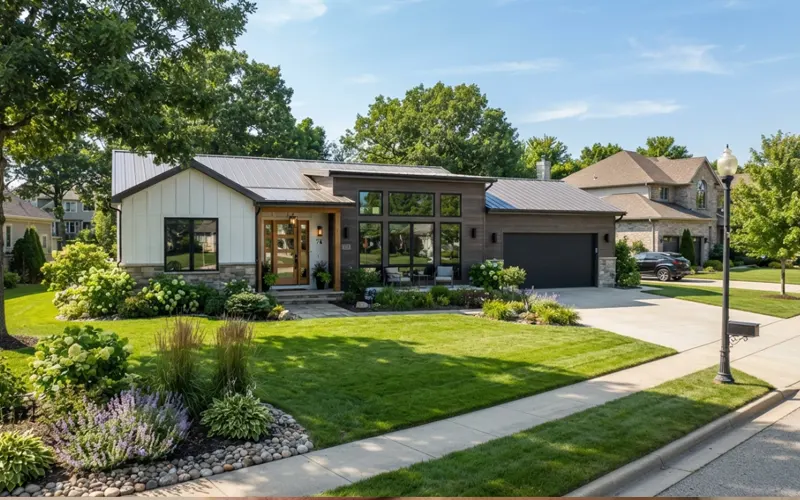
What Should Buyers Look for in a Modern Manufactured Home?
Today’s manufactured housing looks very different from the mobile homes many buyers may remember from decades ago. Modern manufactured homes can offer spacious floor plans, contemporary finishes, energy-efficient features, and many of the conveniences associated with site-built houses, often at a more accessible price point.
Still, quality and features can vary considerably from one home and manufacturer to another. Knowing what to evaluate before making a purchase can help buyers choose a home that fits their lifestyle, property, budget, and long-term expectations.
Table of Contents
ToggleStart With the Home’s Construction Quality
A manufactured home is built in a factory-controlled environment before being transported to its final location. This process can offer advantages because materials and structural components are protected from many weather-related delays and conditions during construction.
Buyers should still pay close attention to how the home is engineered and what materials are used throughout the structure. Ask the retailer or manufacturer about wall construction, roof design, insulation, subflooring, exterior materials, and structural components.
Buyers should also look for clear information about the home’s compliance with applicable federal manufactured housing construction and safety standards. Understanding what is behind the walls can be just as important as evaluating the countertops and flooring.
Quality construction is especially important for buyers who live in regions with strong winds, heavy snowfall, high humidity, extreme heat, or other challenging conditions. A home should be appropriately designed and installed for the climate and site where it will be located.
Review the Floor Plan for Everyday Functionality
A beautiful floor plan is not automatically a practical one. Buyers should imagine themselves moving through the home during a normal day and think about whether the layout works for cooking, relaxing, working, entertaining, and storing everyday belongings.
Pay particular attention to traffic flow between bedrooms, bathrooms, the kitchen, and shared living areas. Modern manufactured homes are available in layouts ranging from compact single-section designs to larger multi-section homes with several bedrooms and expansive common spaces.
Open-concept layouts remain popular, but buyers should also consider whether they need separate rooms for privacy, remote work, hobbies, or guests. A floor plan that fits current and future needs can make the home more comfortable for years.
Consider practical questions such as:
- Is there enough closet and pantry space?
- Are bedrooms appropriately separated from busy living areas?
- Does the kitchen have enough counter space?
- Is there room for a dining table or home office?
- Are bathrooms conveniently located?
- Will existing furniture fit comfortably?
Looking beyond square footage allows buyers to evaluate how efficiently the available space is actually used.
Pay Attention to Energy Efficiency
Energy efficiency can significantly affect the long-term cost and comfort of a home. Modern manufactured homes may include upgraded insulation, efficient heating and cooling systems, insulated doors, and energy-efficient windows.
These features can help reduce unnecessary energy consumption while creating more consistent indoor temperatures. Buyers should ask about insulation levels and the efficiency ratings of installed HVAC equipment and appliances.
Window quality is also important because poorly performing windows can contribute to heat gain during summer and heat loss during winter. Depending on the manufacturer, additional energy-efficiency packages may be available as upgrades.
It is also worth considering the home as an entire system rather than focusing on a single feature. Insulation, air sealing, windows, heating equipment, and ventilation all work together to influence comfort and monthly utility expenses.
Examine the Kitchen and Bathroom Features
Kitchens and bathrooms receive heavy daily use, which makes material quality particularly important. Buyers should look beyond attractive colors and finishes and consider how well cabinetry, countertops, fixtures, flooring, and plumbing components are likely to perform over time.
In the kitchen, examine cabinet construction, drawer hardware, counter space, appliance placement, and storage. Features such as kitchen islands, walk-in pantries, upgraded countertops, and modern appliances may add convenience, but they should fit the buyer’s actual needs.
An oversized island may look impressive but could make the room feel cramped if the surrounding walkways are too narrow. Practical kitchen design often matters more than showroom appearance.
Bathrooms should receive similar scrutiny. Buyers may want to compare shower configurations, bathtub options, vanity storage, ventilation, lighting, and available upgrades.
Practical design choices often provide more long-term value than purely decorative features. Buyers should think about which features will make daily routines easier rather than focusing only on appearance.
Consider the Materials and Finishes
Interior finishes help determine how a manufactured home looks, but they can also affect maintenance requirements. Flooring is a good example.
Carpet may feel comfortable in bedrooms, while durable vinyl plank or other hard-surface flooring may be easier to maintain in kitchens, entryways, and living areas. Buyers should consider how each material will hold up to pets, children, moisture, and everyday foot traffic.
Wall finishes, trim, cabinetry, countertops, doors, hardware, and lighting should also be evaluated. Buyers should ask which features are standard and which are upgrades because a model home may contain optional finishes that are not included in the advertised base price.
Knowing the difference can prevent surprises when reviewing the final purchase agreement. Exterior materials deserve attention as well.
Siding, roofing, windows, doors, decks, porches, and skirting can influence appearance, maintenance, and weather resistance. The goal should be to find a reasonable balance between aesthetics, durability, and cost.
Understand the Installation Process
Even a well-built manufactured home needs to be installed correctly. Site preparation, foundation or support systems, utility connections, leveling, anchoring, drainage, and final setup can all influence how the home performs.
Buyers should understand who is responsible for each stage before committing to a purchase. Ask whether the retailer coordinates installation or whether separate contractors will be involved.
Buyers should also determine whether delivery, site work, permits, utility hookups, foundation work, steps, porches, garages, driveways, or landscaping are included in the quoted price. A low advertised home price may not reflect the total cost required to make the property move-in ready.
Local requirements can also affect installation. Depending on the property, buyers may need to consider zoning rules, setbacks, permits, septic systems, wells, utility connections, or community restrictions.
Evaluating these issues early can help avoid expensive complications later. It can also give buyers a more realistic understanding of the overall project timeline and budget.
Look for Strong Storage Solutions
Storage can dramatically affect how spacious a home feels. Modern layouts may include walk-in closets, linen cabinets, kitchen pantries, utility rooms, built-in shelving, and large bedroom closets.
Buyers should evaluate storage based on their belongings rather than simply counting closets. Think about where seasonal decorations, cleaning equipment, tools, pantry items, clothing, luggage, and recreational gear will go.
If the home itself does not have enough storage, determine whether the property can accommodate a garage, shed, carport, or other accessory structure. Planning ahead can prevent clutter from becoming an ongoing problem.
Laundry areas also deserve attention. Some homes provide dedicated utility rooms with additional cabinetry or counter space, while others place laundry appliances in hallways or smaller closets.
Buyers who do laundry frequently may find a larger utility area particularly valuable. The right storage and utility layout can make a home feel significantly more functional.
Evaluate Customization Options Carefully
One of the advantages of shopping for a new manufactured home is the ability to choose among different layouts, finishes, appliances, fixtures, and design packages. Depending on the manufacturer, buyers may also have choices involving cabinetry, flooring, exterior siding, kitchen configurations, bathroom features, fireplaces, lighting, and built-in storage.
Customization can make a home feel more personal, but upgrades can quickly increase the final price. Buyers should prioritize improvements that provide meaningful comfort, durability, efficiency, or functionality.
Cosmetic features that are easy to change later may not deserve the same portion of the budget. Creating separate lists for must-have features and nice-to-have upgrades can be helpful.
This approach makes it easier to compare models without becoming distracted by features that look impressive in a showroom but offer little practical benefit. It can also help buyers stay closer to their overall budget.
Compare the Total Cost, Not Just the Home Price
Manufactured housing can offer an attractive path to homeownership, but buyers should evaluate the complete financial picture. The purchase price of the home may represent only one portion of the total project.
Land, transportation, installation, permits, site preparation, foundations, utilities, taxes, insurance, and financing can all affect the final expense. Request an itemized estimate whenever possible.
Buyers should understand exactly what is included, what is optional, and what will be handled by third-party contractors. Comparing complete project costs makes it easier to accurately evaluate different homes and retailers.
Financing can also vary depending on whether the buyer owns the land, purchases land with the home, places the home in a manufactured housing community, or uses another arrangement. Buyers should explore financing options early so they understand down payment requirements, loan terms, and estimated monthly payments.
Research the Manufacturer and Retailer
The company behind the home matters. Buyers should research the manufacturer’s experience, available warranties, construction practices, customer support, and reputation.
A knowledgeable retailer should also be willing to clearly explain pricing, upgrades, delivery, installation, financing considerations, and the expected purchasing process. Do not hesitate to ask detailed questions.
Reliable professionals should be able to explain what is included in each model and provide documentation for specifications and warranty coverage. Buyers may also want to tour multiple models to compare build quality and features in person.
Pay attention to communication throughout the shopping process. Clear answers, transparent pricing, and realistic expectations can be indicators of a more professional buying experience.
Think About Long-Term Maintenance
Every home requires maintenance, and manufactured housing is no exception. Buyers should consider how easily roofing, siding, flooring, plumbing fixtures, HVAC equipment, and appliances can be serviced or replaced.
Choosing durable materials upfront may reduce maintenance demands later. Buyers should also ask about recommended maintenance schedules and warranty requirements.
Some warranties may require homeowners to follow specific procedures or report problems within certain timeframes. Keeping documentation related to the home, installation, appliances, and repairs can also make future maintenance easier.
Buyers should additionally consider accessibility to major systems. HVAC equipment, plumbing shutoffs, electrical panels, and water heaters should be reasonably accessible when maintenance or repairs are necessary.
FAQ About Modern Manufactured Homes
Are modern manufactured homes built to federal standards?
Manufactured homes built in the United States are generally required to comply with federal construction and safety standards administered by the U.S. Department of Housing and Urban Development. Buyers should verify certification and documentation for the specific home they are considering.
Can manufactured homes have luxury features?
Yes. Many newer models offer features such as large kitchen islands, walk-in showers, upgraded cabinetry, fireplaces, spacious primary suites, energy-efficient appliances, and contemporary exterior designs.
Are manufactured homes energy efficient?
They can be. Energy performance depends on insulation, windows, HVAC equipment, air sealing, appliances, climate specifications, and optional efficiency packages.
Can buyers customize a manufactured home?
Many manufacturers offer several customization choices, although options vary by company and model. Buyers may be able to select flooring, cabinets, countertops, appliances, exterior finishes, fixtures, and other features.
What costs should buyers consider besides the home itself?
Potential expenses include land, transportation, site preparation, foundation work, utility hookups, permits, taxes, insurance, decks, garages, driveways, landscaping, and installation. Requesting an itemized estimate can help clarify the total investment.
Should buyers inspect a manufactured home before purchasing?
A thorough walkthrough is highly recommended. Buyers should understand the home’s specifications, warranty coverage, installation requirements, and final inspection process before completing the purchase.
Choose a Home That Fits Your Life, Not Just Your Budget
Buying a manufactured home involves much more than comparing prices and choosing finishes. The best purchase is a home that combines dependable construction, functional design, efficient systems, durable materials, appropriate installation, and features that support the buyer’s everyday lifestyle.
Taking the time to compare specifications and ask detailed questions can help buyers distinguish genuine value from attractive but unnecessary upgrades. It can also make the entire buying process feel more manageable.
As modern manufactured homes continue to offer increasingly diverse layouts and design options, buyers have more choices than ever before. A careful evaluation of construction, floor plans, energy efficiency, installation, warranties, and total costs can make the decision easier.
By focusing on long-term comfort and practicality, buyers can choose a manufactured home that feels right today and continues meeting their needs well into the future.
Tags