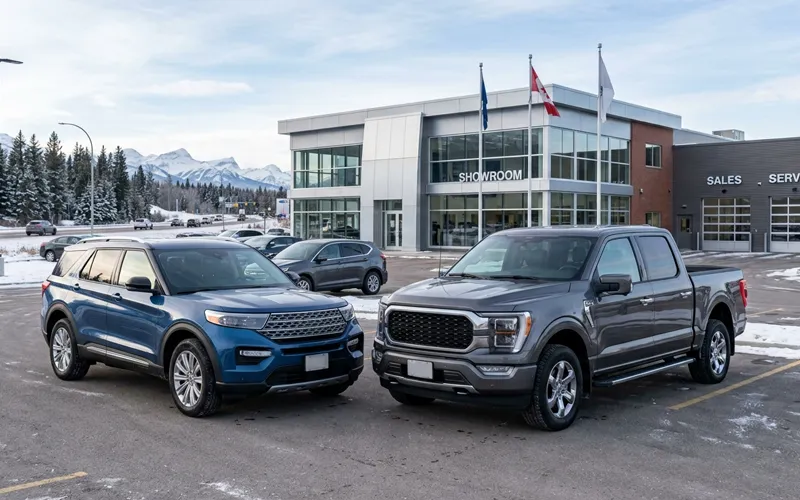
What to Look for in a Ford Vehicle
Choosing a Ford vehicle involves more than selecting a model based on its appearance. Ford offers SUVs, trucks, performance vehicles, electric models, and commercial vehicles, so the right choice depends on how you plan to use it. For shoppers researching options through a ford dealership leduc alberta, comparing practical needs, capability, technology, safety, and ownership costs can make the process easier.
Table of Contents
ToggleConsider the Vehicle Type
Start by deciding which type of Ford best matches your everyday routine. Ford’s current Canadian lineup includes models such as the Bronco Sport, Bronco, Explorer, Expedition, Mustang Mach-E, Maverick, Ranger, F-150, and Super Duty.
A smaller SUV may be convenient for commuting and city driving, while a larger SUV can provide more passenger and cargo space. Pickup trucks offer additional versatility for hauling and towing, while the Mustang and Mustang Mach-E provide different approaches to performance and driving.
Think about your typical passengers, cargo, commute, parking situation, and weekend activities before narrowing down your choices.
Evaluate Engine and Powertrain Options
Powertrain selection can affect performance, fuel consumption, and overall operating costs. Depending on the Ford model, shoppers can find gasoline, EcoBoost, hybrid, plug-in hybrid, and electric powertrains across the lineup.
Consider how far you normally drive and what type of performance you need. A commuter may prioritize efficiency, while someone who regularly tows equipment may need greater torque and towing capability. Electric vehicles also require consideration of charging access and typical driving range.
For trucks, look closely at the specific engine and drivetrain configuration rather than relying only on the maximum capability advertised for the model.
Check Towing and Payload Capability
If you are considering a truck, towing and payload ratings should be high on your checklist. The 2026 Ford F-150, for example, offers multiple engine options and features such as an integrated trailer brake controller and selectable Tow/Haul drive modes.
Remember that actual capability can vary according to engine, cab configuration, drivetrain, axle ratio, and available equipment. Match the truck to the loads you realistically expect to carry or tow.
If you rarely tow or haul heavy loads, a smaller pickup may provide sufficient capability while being easier to maneuver for everyday driving.
Look at Safety Technology
Safety and driver-assistance features can make a significant difference during everyday travel. Current Ford vehicles can offer technologies such as Pre-Collision Assist with Automatic Emergency Braking, lane-keeping systems, blind-spot monitoring, cross-traffic alert, and rearview cameras.
Availability varies by model and trim, so check the specifications of the exact vehicle you are considering. Some models also offer additional features such as adaptive cruise control, parking sensors, intersection assistance, and 360-degree camera systems.
These systems are intended to assist the driver and do not replace attentive driving.
Compare Interior Comfort and Technology
Since many vehicles serve as daily transportation, interior features deserve careful attention. Look for comfortable seating, useful storage, climate-control options, charging ports, and an infotainment system that is easy to operate.
For example, the 2026 Ford Escape Active includes SYNC 4, an 8-inch centre display, wireless Apple CarPlay and Android Auto compatibility, dual-zone automatic temperature control, and split-folding second-row seats.
Higher trims may add features such as larger displays, wireless charging, heated seats, upgraded audio, and additional convenience technology. Consider which features you will actually use rather than choosing equipment simply because it is available.
Think About Space and Practicality
Passenger and cargo space should match your lifestyle. Families may need generous rear-seat room and flexible cargo capacity, while commuters may prefer a vehicle that is easier to park and maneuver.
If you are shopping for an SUV, inspect the cargo area in person. Check whether the rear seats fold easily and whether the loading height works for your needs. For a truck, consider bed length, storage solutions, cab configuration, and access to the cargo area.
A vehicle can have impressive specifications but still be inconvenient if its interior layout does not work for your routine.
Compare Trim Levels
Once you identify a Ford model that suits your needs, compare its trim levels carefully. Different trims can change the available technology, comfort equipment, drivetrain options, appearance, and convenience features.
Make a short list of must-have features and determine which trim provides them. This can help you avoid paying extra for equipment that does not add much value to your everyday driving.
It is also useful to compare similarly equipped vehicles rather than focusing only on the starting price of each model.
Consider Alberta Driving Conditions
Local driving conditions can also influence your choice. Drivers who regularly encounter snow, ice, or unpaved roads may want to examine available all-wheel-drive or four-wheel-drive systems, winter-oriented equipment, ground clearance, and appropriate tires.
For example, the 2026 Escape offers available all-wheel drive, while Ford trucks provide configurations and drive modes designed for different road and towing conditions.
Consider the conditions you regularly encounter rather than selecting a capability package you are unlikely to use.
Review Ownership Costs
The upfront cost is just one part of the overall expense of owning a vehicle. Fuel or charging costs, insurance, maintenance, tires, financing, and potential repairs can all contribute to long-term expenses.
A model with a lower initial price may not necessarily have the same operating costs as a larger or more heavily equipped vehicle. Comparing these expenses can help you establish a realistic ownership budget.
Take a Thorough Test Drive
A test drive can reveal differences that specifications cannot fully communicate. Pay attention to steering, braking, acceleration, visibility, seating comfort, ride quality, cabin noise, and ease of using the controls.
Try the features you expect to use regularly and inspect the rear seats and cargo area. If you are comparing a truck, consider whether the size and seating position feel comfortable for everyday driving.
Conclusion
Finding the right Ford vehicle starts with understanding your actual needs. Consider the vehicle type, powertrain, towing and payload requirements, safety technology, interior features, space, trim levels, local driving conditions, and long-term ownership costs. By comparing these factors and taking your preferred models for a test drive, you can make a more informed choice and select a Ford that fits your daily routine.
Frequently Asked Questions
1. What should I look for when choosing a Ford vehicle?
Consider the vehicle type, powertrain, safety features, interior space, technology, trim level, driving conditions, towing needs, and long-term ownership costs.
2. Which Ford vehicle is best for everyday driving?
The right Ford depends on your needs. SUVs can offer passenger and cargo space, while smaller models may be easier to maneuver in city traffic.
3. What should I consider when choosing a Ford truck?
Look at towing capacity, payload, engine options, drivetrain, cab configuration, bed length, and the type of work you regularly plan to do.
4. Are Ford vehicles available with different powertrain options?
Yes. Depending on the model, Ford offers gasoline, EcoBoost, hybrid, plug-in hybrid, and electric powertrains.
5. What Ford safety features should I check?
Look for features such as automatic emergency braking, lane-keeping assistance, blind-spot monitoring, cross-traffic alert, and rearview cameras. Availability varies by model and trim.
6. How important are Ford trim levels?
Trim levels can affect available technology, comfort features, appearance, drivetrain choices, and convenience equipment. Compare trims based on the features you actually need.
7. What should I consider when buying a Ford in Alberta?
Consider winter driving conditions, available all-wheel or four-wheel drive, ground clearance, winter tires, and the type of roads you regularly use.
8. What costs should I consider when buying a Ford vehicle?
Beyond the purchase price, consider fuel or charging costs, insurance, maintenance, tires, financing, and potential repair expenses.