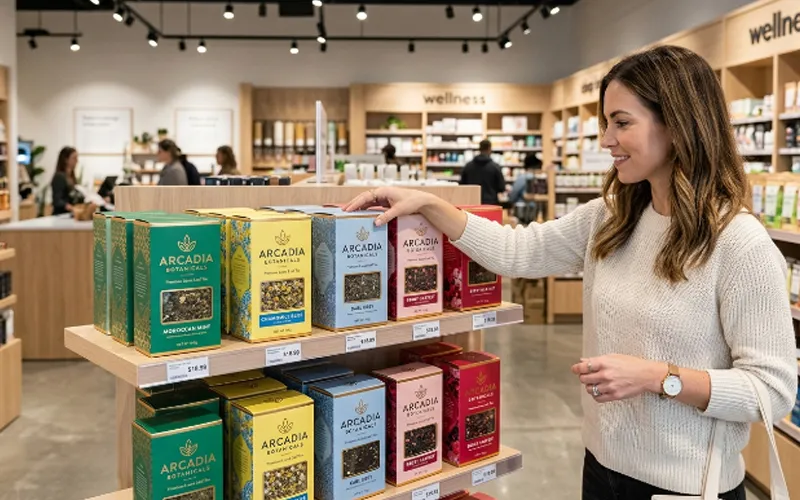
Display Packaging Boxes That Convert Browsers Into Buyers
A customer walking through a store has countless products competing for attention. Before they read a label, compare features, or think about price, they see the packaging. That brief visual encounter can determine whether they keep walking or stop to take a closer look.
This is where display packaging boxes can make a real difference. Designed to combine product protection with strong presentation, these boxes help brands communicate value directly from the shelf. When structure, branding, and product visibility work together, packaging can move a shopper from simply noticing a product to considering it for purchase.
Table of Contents
ToggleWhy Packaging Can Influence Buying Behavior
Customers rarely examine every product in detail. Instead, they scan shelves and quickly identify products that appear relevant or appealing.
Packaging can influence this first decision through:
- Product imagery.
- Brand recognition.
- Box structure.
- Visible product features.
- Key product information.
A package that communicates clearly can reduce the effort required for customers to understand what they are looking at.
What Makes Display Packaging Boxes Effective?
Display packaging is different from ordinary product packaging because it has a merchandising function.
The box may need to:
- Stand securely on a shelf.
- Present the product clearly.
- Organize multiple units.
- Make important information visible.
- Encourage browsing.
- Support easy restocking.
A successful design considers both the shopper and the retailer.
Make the Product Easy to Understand
Customers should not have to work hard to figure out what the package contains.
Establish a Clear Information Hierarchy
A useful structure might be:
Brand → Product → Main benefit → Supporting details
The brand should be recognizable, the product name should be easy to find, and the most important selling point should receive appropriate visual emphasis.
Avoid covering the front panel with excessive text. White space can be just as useful as printed information.
Use Images With Purpose
Product photography or illustrations can help shoppers visualize what they are buying.
For food, beauty, accessories, and lifestyle products, strong imagery can communicate quality and usage more quickly than lengthy descriptions.
Use a Custom Box With Logo to Build Recognition
Brand recognition becomes especially important when customers repeatedly encounter products from the same company.
A custom box with logo can create a consistent visual connection between the product and the business.
Logo Placement Matters
The logo should be easy to identify without overwhelming the design.
It can appear on:
- The front panel.
- Top of the box.
- Side panels.
- Interior sections.
- Display headers.
The best placement depends on how the box will sit on the shelf.
Branding Goes Beyond the Logo
A logo alone does not create a complete identity.
Brands can also use:
- Signature colors.
- Consistent finishing.
- Distinctive structures.
Together, these elements can make packaging recognizable even when customers only see it briefly.
Product Visibility Can Increase Confidence
Some products benefit from being seen rather than completely hidden inside a package.
Consider Windows and Open Displays
A transparent window or partially open structure can allow customers to inspect the product before buying.
This can be particularly effective for:
- Small accessories.
- Beauty products.
- Food items.
- Decorative products.
Showing the product can reduce uncertainty and give shoppers greater confidence in what they are purchasing.
Turn the Box Into Part of the Store Display
The packaging itself can contribute to merchandising.
A display-ready structure may allow retailers to place products directly onto shelves or counters without removing everything from a shipping carton.
Make Restocking Simple
Retail-friendly packaging should be:
- Easy to handle.
- Stable when placed on a shelf.
- Simple to replenish.
- Appropriate for available shelf space.
When packaging saves employees time, it can become more valuable to retailers.
Color Can Stop the Scroll—and the Shopper
Color is often one of the first elements customers notice.
A brand might use a bold color to create energy or a softer palette to communicate elegance.
However, color should be selected based on the product and audience rather than simply following whatever is currently popular.
Shape Can Help a Product Stand Apart
When competitors use similar rectangular boxes, a distinctive structure can create recognition.
Brands can explore:
- Window cutouts.
- Die-cut shapes.
- Tall or compact formats.
- Tiered displays.
- Countertop structures.
The structure should remain practical enough for storage, transportation, and retail handling.
Mistakes That Can Reduce Shelf Impact
Even attractive packaging can fail when the design becomes too complicated.
Avoid:
- Excessive text.
- Tiny product names.
- Weak color contrast.
- Overcrowded graphics.
- Unnecessary packaging layers.
- Poor shelf stability.
- Oversized boxes.
- Branding that is difficult to recognize.
Effective packaging should make the customer’s decision easier, not more confusing.
Conclusion
Display packaging boxes can play a powerful role in turning casual browsing into genuine product interest. They attract attention, communicate important information, showcase products, and reinforce brand identity while also supporting retailers with practical display and stocking solutions.
A thoughtfully designed custom box with logo gives brands an opportunity to create recognition that extends beyond a single purchase. When visual appeal is combined with clarity, protection, functionality, and strong branding, packaging becomes more than a shelf container, it becomes a silent invitation for shoppers to stop, explore, and buy.
Frequently Asked Questions
What are display packaging boxes?
Display packaging boxes are product boxes designed to protect items while also presenting them attractively on retail shelves or counters.
How do display packaging boxes help increase sales?
They attract customer attention, make products easier to understand, and create a stronger first impression, which can encourage shoppers to consider a purchase.
Why is product visibility important in packaging?
Product visibility allows customers to see what they are buying, which can reduce uncertainty and increase confidence in the product.
Can display packaging boxes include a brand logo?
Yes. A custom box with a logo can strengthen brand recognition and create a consistent visual identity across different products.
What products are suitable for display packaging boxes?
Display packaging can work well for beauty products, food, toys, accessories, gifts, lifestyle products, and many other retail items.
How does packaging design affect customer behavior?
Elements such as color, typography, imagery, product visibility, and box structure can quickly communicate a product’s value and attract customer attention.
What should businesses avoid when designing display packaging?
Businesses should avoid excessive text, weak color contrast, overcrowded graphics, oversized boxes, poor shelf stability, and branding that is difficult to recognize.
Are display packaging boxes useful for retailers?
Yes. Display-ready boxes can make products easier to organize, restock, handle, and present on shelves or countertops.
Tags