
Trucks, excavators, loaders, cranes, agricultural machinery, and other heavy vehicles often operate for long periods under direct sunlight and demanding site conditions. Operators may spend many hours inside cabins, travelling between locations or carrying out detailed tasks from a fixed position. The condition of the cabin can affect comfort, visibility, concentration, and the working environment. One practical upgrade for these vehicles is truck and heavy machinery window tinting, which can help reduce solar glare, manage cabin temperatures, filter ultraviolet radiation, and provide an added layer of glass protection. A suitable window film can serve a functional purpose rather than being selected purely for appearance, making it a useful addition for private operators and commercial fleets.
Understanding Window Tinting
Window tinting involves applying a thin film to the inside of vehicle glass. Modern films come in different shades and materials. Each type can offer different levels of heat rejection, glare reduction, UV protection, and privacy.
For trucks and heavy machinery, the right film depends on several factors. These include the vehicle type, working conditions, glass design, and local regulations. A properly fitted film should maintain clear visibility from inside the cabin. It can also help reduce discomfort caused by strong sunlight.
The film does not have to cover every window. Fleet operators can choose specific windows based on their needs. This provides more flexibility when planning a tinting installation.
Greater Comfort for Drivers and Operators
Cabin comfort can have a direct connection with how easily an operator carries out a long shift. Strong sunlight entering through side or rear windows can create uncomfortable heat and intense reflections. Tinted glass can reduce the amount of sunlight entering the cabin, creating a more pleasant environment for drivers and machinery operators. Lower glare can make it easier to view mirrors, controls, instruments, and the surrounding work area without constantly adjusting position to avoid bright reflections. This can be particularly useful for trucks travelling for extended periods or machinery operating outdoors during the hottest parts of the day.
Managing Cabin Heat
Industrial vehicles can become extremely hot when parked or operated under direct sunlight. A window film designed to reject solar heat can reduce the amount of heat entering through the glass. This may help the cabin reach a comfortable temperature more easily when air conditioning is available. A cooler cabin can make long working periods more tolerable and may reduce the workload placed on the cooling system. For businesses operating several vehicles, small improvements in cabin temperature management can be useful across a fleet, particularly when vehicles spend much of their working time exposed to strong sunlight.
Reducing Glare and Visual Strain
Glare can be a persistent issue for truck drivers and heavy machinery operators. Reflections from roads, concrete, metal surfaces, water, buildings, and other equipment can make bright conditions harder to manage. A suitable tint can reduce the intensity of some of these reflections, giving the operator a more comfortable view through the glass. Clear visibility remains a priority, so the film shade needs to match the vehicle’s intended use and applicable road rules. The right level of tint can provide shade without creating an overly dark cabin that makes it harder to see during low-light conditions.
Protection Against Ultraviolet Radiation
Regular exposure to sunlight can affect both people and vehicle interiors. Quality window films can filter a large portion of ultraviolet radiation that passes through vehicle glass. This can provide another layer of protection for operators who spend many hours inside a cabin. UV exposure can affect upholstery, dashboards, plastic surfaces, and other interior components over time, contributing to fading and deterioration. By reducing the amount of UV reaching these surfaces, window film can help preserve the appearance and condition of the cabin.
Added Glass Safety
Some window films are designed to hold broken glass together after impact. If a window is damaged, the film may help keep fragments attached to the film rather than allowing numerous pieces of glass to scatter throughout the cabin. This feature can provide an extra layer of protection during accidents or impacts. It does not make vehicle glass unbreakable, nor should it replace other safety equipment, but it can contribute to a safer cabin environment. For machinery working around construction materials, tools, debris, and other equipment, additional protection around glass surfaces can have practical value.
Supporting Privacy and Equipment Security
Trucks and heavy machinery may carry tools, electronic equipment, spare parts, documents, or other valuable items. A darker film on suitable windows can make it harder for people outside the vehicle to see the contents of a cabin. This added privacy may be useful when vehicles are parked at worksites, depots, roadside locations, or public areas. Privacy film does not replace proper security measures, yet it can reduce visibility into the vehicle and give operators another layer of protection for items stored inside the cabin.
Choosing the Right Film
Different work vehicles require different approaches to window tinting. A truck that spends most of its time on public roads may have different requirements from a loader or excavator that operates entirely on private worksites. Film shade, heat rejection, optical clarity, durability, and compatibility with electronic equipment can all influence the selection. Modern ceramic and advanced multi-layer films can provide heat and UV protection without relying on a heavily dark appearance. This gives fleet owners options that balance cabin comfort with visibility and practical operating requirements.
Following Tinting Regulations
Window tinting must comply with the laws that apply to the vehicle and its operating location. Rules can differ according to the type of vehicle, the window being treated, and the permitted level of visible light transmission. Commercial vehicles may have additional requirements when they operate on public roads. Fleet managers can check the relevant transport authority requirements before arranging installation. Selecting a compliant film helps prevent problems during inspections and keeps the vehicle suitable for lawful road use.
Professional Installation and Maintenance
Installation quality has a major effect on the appearance and performance of window film. Experienced technicians can prepare the glass correctly, measure each section accurately, and apply the film with minimal bubbles, creases, or visible edges. Proper installation can help the film remain securely attached through temperature changes and regular vehicle use. After installation, the glass should be cleaned with suitable products and handled according to the film manufacturer’s care instructions. Harsh cleaning materials or abrasive tools may damage the surface and shorten its useful life.
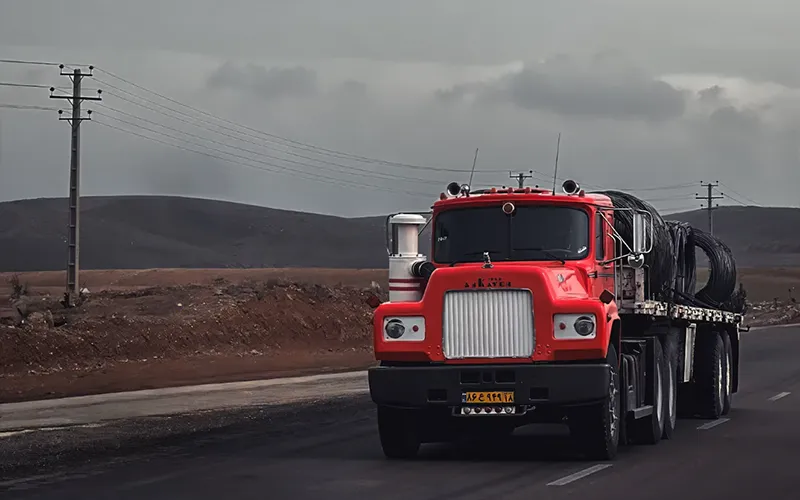
truck and heavy machinery window tinting
Long-Term Value for Fleet Owners
Window tinting can support the upkeep of trucks and heavy machinery by helping protect cabin interiors from sunlight, reducing heat entering the vehicle, and creating a more comfortable space for operators. These benefits may become more noticeable when equipment is used frequently over several years. A well-maintained cabin can contribute to the overall presentation of a vehicle when it is sold, traded, or replaced. For companies managing multiple vehicles, relatively small cabin improvements can form part of a wider maintenance strategy focused on keeping equipment functional, comfortable, and presentable.
Conclusion
Window tinting for trucks and heavy machinery offers benefits beyond appearance. It can reduce glare, lower cabin heat, filter UV rays, and provide added glass protection. It can also improve privacy inside the vehicle. The right film should suit the vehicle, working conditions, visibility needs, and local regulations. Proper materials and professional installation can help the film perform well over time. Regular care can also extend its useful life. For fleet owners and operators, window tinting can improve daily cabin comfort. It can also help protect valuable vehicle interiors from long-term sun exposure.
FAQs
What is truck and heavy machinery window tinting?
Truck and heavy machinery window tinting involves applying a special film to vehicle windows to help reduce glare, heat, and UV exposure.
What are the benefits of tinting truck windows?
Tinting can help reduce cabin heat and glare while filtering UV rays and improving comfort for drivers during long working hours.
Can window tinting reduce heat inside heavy machinery?</strong>
Yes. Heat-rejecting window films can reduce the amount of solar heat entering the cabin, which may help maintain a more comfortable temperature.
Does window tinting protect truck interiors?</strong>
Yes. Window film can reduce UV exposure, which may help protect dashboards, seats, plastic surfaces, and other interior components from fading and deterioration.
Can tinting reduce glare for heavy machinery operators?
A suitable window tint can reduce some glare and bright reflections, making it more comfortable for operators to view their surroundings.
Does truck window tinting improve privacy?
Darker window films can make it harder for people outside the vehicle to see into the cabin, which may provide additional privacy for tools and equipment stored inside.
How do I choose the right tint for heavy machinery?
Consider the vehicle’s working environment, window position, visibility requirements, heat rejection, film durability, and local tinting regulations.
Does truck and heavy machinery window tinting need professional installation?
Professional installation can help ensure the film is applied smoothly and securely, with fewer bubbles, creases, and visible edges.