When medical treatments lead to unexpected complications, confusion follows quickly. Knowing what steps to take helps you regain control over your health. Asking clear questions can help you gather facts and protect your well-being.
Clarify Current Health Status
Your immediate focus must remain on physical stability. Request a complete evaluation from the medical team handling your care. Ask what your current health status is and what needs to happen to stabilize your condition right now.
If you suspect harm occurred from improper treatment or negligence, you may need a medical malpractice legal review to understand your options. Navigating an unexpected injury requires both proper care and clear facts about what took place. Document every symptom you experience moving forward to build an accurate account.
Speak directly with the attending physician rather than waiting for rounds. Request a plain explanation of any immediate physical risks you face. Clear answers at this stage help you decide whether remaining at the facility is safe.
Understand What Caused the Complication
Caregivers should explain what went wrong during your procedure. Ask if the outcome was a known risk or an unexpected error. Research indicates that about 28% of diagnostic errors stem from cognitive mistakes made by healthcare staff.
Requesting a clear timeline of events helps reveal where errors occurred. Ask which providers made key decisions during your treatment. Getting straight answers early prevents details from being forgotten or overlooked.
Follow up by asking if proper protocols were followed during each step. Inquire whether similar complications have happened at the facility before. Written responses to these questions can prove invaluable later.
Review All Administered Medications
Drug errors happen frequently in high-stress medical environments. You need to verify every drug administered during your hospital stay.
- Request a complete list of past and current prescriptions.
- Check if dosage changes match your original treatment plan.
- Confirm if staff verified your identity using scanning equipment before giving meds.
- Verify if any known drug interactions triggered your current symptoms.
Modern facilities use scanning systems to track doses, but human oversight still occurs. Asking precise questions keeps your care team accountable for every dose given.
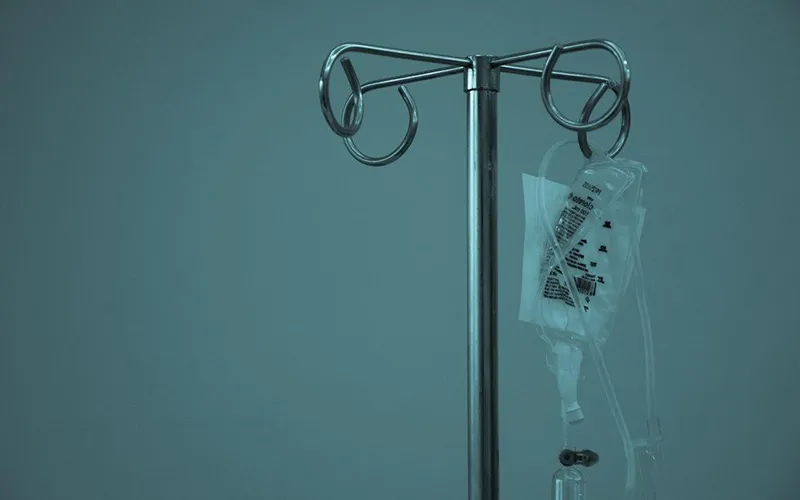
Keep your own log of every pill and IV bag brought into your room. Compare that log against the master chart provided by the hospital. Differences between the two records require immediate explanation.
Request Copies of Complete Medical Records
You have a legal right to access your clinical charts. Ask the health records department for full copies of physician notes, lab results, and imaging scans.
Reviewing these files helps identify discrepancies between verbal explanations and written documentation. Requesting records promptly ensures no details are altered or omitted later.
Pay attention to nursing shift logs and operative reports. These documents often contain raw notes that explain sudden changes in your condition. Keep both physical and digital copies in a secure file.
Evaluate Communication Gaps
Poor communication between medical staff often leads to serious patient harm. Ask how information was passed between shifts and different departments during your stay.
- Check if your self-reported symptoms were logged into the main chart.
- Ask if specialists were notified when your condition began to drop.
- Request details on who managed your care during shift changes.
- Verify if verbal orders were properly recorded in writing.
One survey revealed 94% of patients felt staff ignored or dismissed their reported symptoms at some point. Identifying these communication breakdowns explains how errors developed during your care.
Cross-reference worker shift schedules with the times your condition declined. This helps pinpoint who was on duty when key decisions were made. Systemic communication gaps often point to wider facility issues.
Ask About Formal Investigation Steps
Hospitals conduct internal reviews after major care incidents occur. Ask the risk management team if a formal safety review has started for your case.
Inquire about the expected timeline for their internal report. Ask if outside experts will review the event to ensure an unbiased analysis.
Get the contact information for the patient advocate handling the investigation. Request written updates at regular intervals to track their progress. Unreasonable delays can indicate an attempt to minimize the event.
Inquire About Next Recovery Steps
Focusing on future recovery is critical after a medical setback. Ask what corrective measures can fix or reduce the harm caused by the incident.
Request a clear plan outlining necessary surgeries, physical therapies, or extra medications. Knowing the path forward helps you regain control over your physical recovery process.
Ask how long full recovery will take and what limitations you might face. Identify who will manage your ongoing care moving forward. A structured recovery plan protects you from further medical setbacks.
medical malpractice questions
Getting answers after a medical error requires persistence and clear communication. Asking targeted questions protects your safety and helps you make informed choices about your health. Taking structured steps allows you to secure proper care and pursue accountability.
Frequently Asked Questions
What questions should I ask after a medical error?
Ask what went wrong, why it happened, what treatment you received, and what steps are needed to protect your health.
How can I find out what caused a medical complication?
Ask your medical team for a clear explanation and a timeline of what happened during your treatment.
Should I request my complete medical records?
Yes. Request copies of physician notes, medication records, lab results, imaging reports, nursing notes, and operative reports.
What medication questions should I ask after a medical error?
Ask which medications you received, their doses, when they were given, and whether any drug interactions could have caused problems.
What are important medical malpractice questions to ask?
Ask whether proper procedures were followed, whether the complication was a known risk, and whether an error or negligence may have contributed.
Can I ask the hospital to investigate what happened?
Yes. You can ask whether a formal safety or internal review has been started and who is responsible for handling the investigation.
Why is communication important after a medical error?
Communication records can help show whether your symptoms, treatment changes, and important information were properly shared among healthcare providers.
What should I ask about my recovery after a medical complication?
Ask about your treatment plan, expected recovery time, possible limitations, additional procedures, medications, and who will manage your ongoing care.