Fashion Tips LWSpeakStyle to Help You Dress Better with Less
Table of Contents
ToggleIntroduction
Looking stylish does not always mean buying expensive clothes or following every new trend. Many people believe they need a large wardrobe to create fashionable outfits, but that is not true. The secret is learning how to choose the right clothing, combine pieces wisely, and wear everything with confidence. This is exactly where fashion tips LWSpeakStyle become helpful.
The idea behind this style is simple. Instead of filling your closet with clothes you rarely wear, you build a practical wardrobe with versatile pieces that work together. This approach saves money, reduces waste, and makes getting dressed every morning much easier. Whether you are a student, working professional, stay-at-home parent, or someone who simply wants to improve personal style, these fashion principles can help you create attractive outfits without unnecessary spending.
This guide explains everything you need to know about creating a wardrobe that is stylish, functional, and easy to manage. You will learn how to shop smarter, mix and match clothing, choose timeless essentials, accessorize correctly, and avoid common fashion mistakes. By the end of this article, you will understand how to dress better with fewer clothes while expressing your unique personality.
Understanding the Philosophy Behind This Style
Fashion should make your life easier, not more complicated. One of the biggest mistakes people make is chasing every trend they see on social media. As trends change quickly, many clothes end up sitting unused in the closet.
The philosophy behind this approach focuses on quality instead of quantity. Rather than owning dozens of outfits that only work for one occasion, you invest in clothing that can be worn in different ways throughout the year. Every piece has a purpose and can be paired with multiple items.
This mindset encourages thoughtful shopping instead of impulse buying. Before purchasing something new, you ask yourself whether it matches the clothes you already own, whether you will wear it often, and whether it fits your lifestyle.
These simple ideas are the foundation of fashion tips LWSpeakStyle, making fashion more practical, affordable, and sustainable.
Why Buying Less Often Leads to Better Style
Many people think having more clothes automatically means having more outfit choices. Surprisingly, the opposite is often true.
When your wardrobe is filled with random purchases, it becomes difficult to create coordinated outfits. Colors may not match, styles may clash, and you may still feel like you have “nothing to wear.”
A smaller wardrobe filled with carefully selected clothing makes styling much easier. Every shirt works with several pants, jackets match multiple outfits, and shoes fit different occasions.
Buying less also allows you to spend more on quality items that last longer. Instead of replacing cheap clothing every few months, you invest in durable pieces that continue looking great after many washes.
This approach saves money over time while helping you build a wardrobe that always feels organized and intentional.
Build Your Wardrobe Around Timeless Basics
Every great wardrobe starts with reliable basics. These are the clothes that never go out of style and can be worn throughout the year.
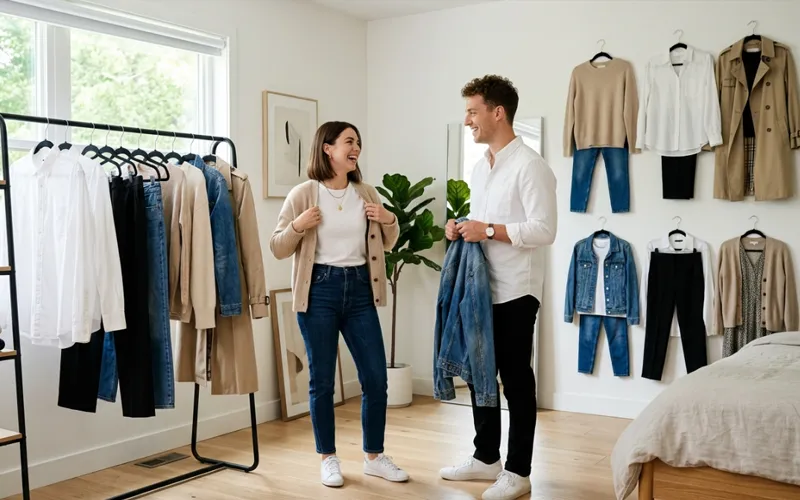
Classic white shirts, well-fitted jeans, neutral trousers, plain T-shirts, simple sweaters, blazers, denim jackets, and comfortable sneakers are examples of wardrobe essentials.
Neutral colors such as black, white, gray, navy, beige, and olive make mixing outfits much easier. Since these shades complement each other naturally, you can create dozens of combinations with only a few items.
Timeless clothing also remains fashionable year after year. While trendy designs quickly disappear, classic pieces continue looking elegant regardless of changing fashion trends.
Focus on Fit Before Following Trends
One expensive outfit can still look unattractive if it does not fit properly.
Clothing that is too loose may appear untidy, while pieces that are too tight can feel uncomfortable and unflattering. Finding the right fit is often more important than buying expensive brands.
Pay attention to shoulder lines, sleeve length, pant length, and overall comfort. Small alterations from a tailor can completely transform affordable clothing into something that looks custom-made.
Good fit also improves confidence. When clothes feel comfortable, you naturally stand taller, walk confidently, and feel better throughout the day.
Fashion is not about wearing what everyone else wears. It is about wearing what fits you best.
Create Multiple Outfits from the Same Clothing
One of the smartest styling techniques is learning how to reuse the same clothing in different ways.
A single white shirt can be worn with jeans for a casual day, tucked into trousers for work, layered under a sweater during winter, or paired with a skirt for dinner.
The same blazer can complete business attire during weekdays and casual denim outfits on weekends.
Mixing and matching allows you to create fresh combinations without constantly buying new clothes.
This is one of the most practical fashion tips LWSpeakStyle because it maximizes the value of every item you own.
Choose Quality Instead of Quantity
Fast fashion often encourages buying many inexpensive items that wear out quickly.
Better-quality fabrics maintain their appearance longer, feel more comfortable, and often require fewer replacements.
Cotton, linen, wool, and quality denim usually provide better durability than extremely cheap synthetic materials.
You do not need luxury designer brands to enjoy quality clothing. Many affordable brands offer excellent craftsmanship when you pay attention to stitching, fabric weight, and finishing details.
Buying fewer high-quality pieces often costs less in the long run than replacing low-quality clothing every season.
Learn the Importance of Color Coordination
Color has a major impact on your overall appearance.
Building your wardrobe around neutral shades creates endless outfit possibilities because almost everything matches naturally.
Once your foundation is complete, introduce accent colors through shirts, scarves, handbags, shoes, or accessories.
Understanding complementary colors helps create balanced outfits without making them appear overly busy.
Avoid combining too many bold colors in one outfit. Simplicity often creates the most elegant appearance.
Developing a consistent color palette also makes shopping much easier because every new purchase works with existing clothing.
Accessories Should Complete, Not Overpower
Accessories are designed to enhance an outfit rather than dominate it.
Simple watches, leather belts, elegant handbags, sunglasses, scarves, necklaces, and earrings can instantly elevate even the most basic clothing.
The key is maintaining balance.
If your clothing includes bold prints or bright colors, choose simple accessories.
If your outfit is neutral, accessories can introduce personality through color, texture, or unique design.
Thoughtfully selected accessories help create polished looks without requiring an entirely new wardrobe.
Dress According to Your Lifestyle
Your wardrobe should reflect your daily routine.
Someone working in an office requires different clothing than someone working remotely or attending university.
Before shopping, think about where you spend most of your time.
Buying clothes that suit your lifestyle ensures they are actually worn instead of remaining untouched in the closet.
A practical wardrobe always serves real-life needs rather than unrealistic fashion fantasies.
Seasonal Layering Makes Every Outfit More Versatile
Layering is one of the easiest ways to create stylish outfits throughout the year.
During colder months, combine shirts with sweaters, jackets, scarves, and coats for warmth while adding visual interest.
During warmer seasons, lightweight overshirts, denim jackets, or linen blazers provide flexibility without excessive heat.
Layering also allows the same clothing to work across multiple seasons, reducing the need for separate wardrobes.
This practical technique extends the usefulness of every piece you own.
Organize Your Closet Regularly
A cluttered wardrobe often hides clothing you already own.
Organizing your closet every few months helps identify forgotten pieces, remove damaged clothing, and create space for items you genuinely wear.
Arrange clothes by category or color so outfit planning becomes faster.
When everything is visible, you naturally make better use of your wardrobe instead of purchasing unnecessary duplicates.
An organized closet also reduces decision fatigue each morning.
Develop Confidence in Your Personal Style
Fashion is more than clothing.
Confidence plays an equally important role.
People often admire someone because they wear clothes comfortably rather than because they follow every trend.
Developing your own style takes time.
Experiment with different combinations, discover colors you enjoy wearing, and identify silhouettes that suit your body.
Avoid comparing yourself with influencers whose lifestyles differ from yours.
Your wardrobe should reflect your personality instead of copying someone else’s appearance.
Avoid Common Fashion Mistakes
Many fashion problems can be avoided with simple awareness.
Buying clothes simply because they are discounted often leads to unnecessary purchases.
Ignoring proper fit can make expensive outfits appear cheap.
Following every trend creates an inconsistent wardrobe where nothing matches.
Neglecting clothing care shortens garment lifespan.
Another common mistake is wearing uncomfortable shoes that affect posture and confidence.
Making thoughtful decisions prevents wasted money while improving your overall appearance.
Smart Shopping Habits Save Money
Shopping with a plan is always more effective than buying impulsively.
Create a list of clothing you genuinely need before visiting stores or browsing online.
Compare fabric quality, stitching, and versatility instead of focusing only on price.
Waiting before making major purchases helps prevent emotional spending.
Sales become valuable only when you purchase items you actually planned to buy.
Careful shopping supports long-term financial savings while building a stronger wardrobe.
Sustainability Starts with Better Fashion Choices
The fashion industry produces significant environmental waste each year.
Buying fewer, better-quality clothes helps reduce unnecessary consumption.
Taking care of clothing through proper washing, drying, and storage also increases its lifespan.
Repairing small damages instead of immediately replacing garments is another sustainable habit.
Donating clothing you no longer wear allows others to benefit while reducing textile waste.
Making responsible fashion choices benefits both your wallet and the environment.
How This Approach Simplifies Everyday Life
One unexpected benefit of a carefully planned wardrobe is reduced daily stress.
When every item matches several others, choosing an outfit becomes quick and effortless.
Morning routines become smoother because you no longer spend unnecessary time deciding what to wear.
Travel also becomes easier since fewer clothes create multiple outfit combinations.
This simplicity allows you to focus more on work, family, studies, or hobbies rather than worrying about clothing.
Frequently Asked Questions (FAQs)
1. What are fashion tips LWSpeakStyle?
Fashion tips LWSpeakStyle focus on building a practical, stylish wardrobe with fewer, high-quality pieces. The approach encourages smart shopping, timeless fashion, and creating multiple outfits from versatile clothing instead of constantly following fast-changing trends.
2. How can I dress better without buying more clothes?
You can improve your style by mixing and matching the clothes you already own, choosing outfits that fit well, wearing neutral colors, adding simple accessories, and keeping your wardrobe organized. Small styling changes often make a bigger difference than buying new clothes.
3. Is this fashion approach suitable for beginners?
Yes. This method is perfect for beginners because it focuses on simple styling principles rather than complicated fashion rules. Anyone can start by building a wardrobe with classic basics and gradually developing their personal style.
4. Why is clothing fit more important than expensive brands?
Well-fitted clothing looks polished and comfortable, regardless of the price. Even affordable outfits can appear stylish when they fit properly, while expensive clothing may not look good if the size or shape is incorrect.
5. What colors should I choose for a versatile wardrobe?
Neutral shades such as black, white, gray, navy, beige, and olive are excellent choices because they pair easily with other colors. A neutral foundation makes it simple to create many different outfits with fewer pieces.
6. How often should I update my wardrobe?
There is no fixed schedule. Instead of shopping every season, review your wardrobe every few months, replace worn-out essentials when needed, and only buy pieces that match your existing clothing and lifestyle.
7. Can I follow fashion trends while keeping a minimalist wardrobe?
Yes. You can add a few trendy items each season without changing your entire wardrobe. Pairing trendy accessories or one fashionable piece with timeless basics helps keep your style fresh while avoiding unnecessary spending.
8. Does having fewer clothes really make getting dressed easier?
Yes. A smaller, well-organized wardrobe with versatile clothing reduces decision fatigue because most items work well together. This makes choosing an outfit faster and helps you look stylish every day with less effort.
Final Thoughts
Looking fashionable does not require endless shopping or expensive designer brands. It begins with making smarter choices, understanding your personal style, and building a wardrobe that works for your everyday life. The principles shared in fashion tips LWSpeakStyle show that simplicity often creates the strongest impression.
By choosing timeless basics, focusing on proper fit, investing in quality, organizing your wardrobe, and learning to mix and match your clothing, you can create stylish outfits with fewer pieces. This approach not only saves money but also builds confidence and encourages more sustainable fashion habits.
Remember that true style is not measured by how many clothes you own. It is reflected in how thoughtfully you wear them. When every item in your wardrobe has a purpose, getting dressed becomes easier, your outfits become more polished, and your confidence naturally grows. Start with small changes, build gradually, and enjoy a wardrobe that helps you dress better with less.
Tags