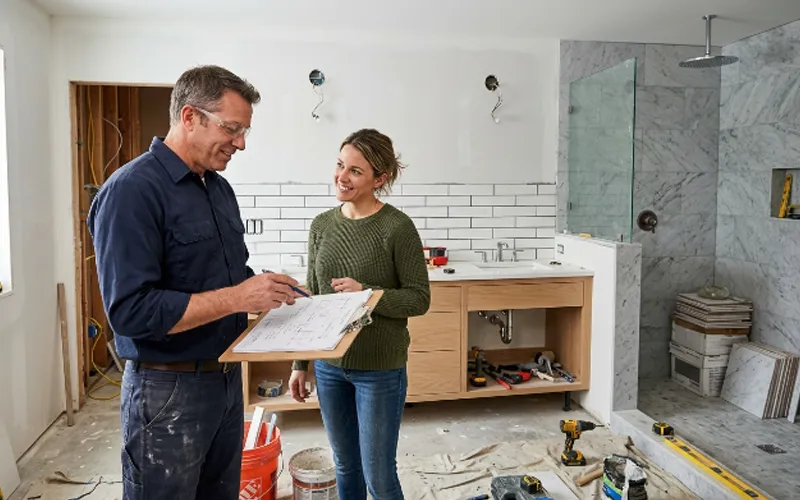
How to Vet a Bathroom Remodeling Contractor
A bathroom remodel can improve comfort, functionality, and the overall value of your home, but the quality of the finished space depends heavily on the professional you hire. Bathrooms involve plumbing, electrical work, waterproofing, ventilation, tile, cabinetry, fixtures, and finish work, which makes contractor selection especially important. Choosing the wrong person can lead to delays, hidden costs, poor workmanship, or expensive repairs later.
Finding the right bathroom remodeling contractor requires more than checking a few online reviews. Homeowners should evaluate experience, credentials, communication, pricing, contracts, and previous work before making a decision. A careful vetting process can help you hire a professional who is prepared to manage the project from demolition through final inspection.
Table of Contents
ToggleDefine Your Bathroom Remodeling Goals First
Before contacting contractors, decide what you want to accomplish with the renovation. A simple cosmetic update requires a different level of planning than a full bathroom remodel involving relocated plumbing, a new shower, electrical upgrades, or structural changes. Having a clear scope makes it easier to compare contractors and obtain accurate estimates.
Consider your priorities before scheduling consultations. You may want to increase storage, improve accessibility, replace outdated fixtures, enlarge the shower, or create a more efficient layout. Establishing your goals helps contractors recommend solutions that fit your needs and budget.
Your initial project list might include:
- Replacing the bathtub or shower
- Installing new flooring
- Updating the vanity and countertop
- Adding storage
- Improving lighting
- Replacing plumbing fixtures
- Improving ventilation
- Changing the bathroom layout
- Adding accessibility features
You should also establish a preliminary budget. Contractors can provide more useful recommendations when they understand your approximate spending range and which features are most important to you.
Look for Specific Bathroom Remodeling Experience
General construction experience is useful, but bathroom remodeling requires specialized knowledge. Bathrooms are exposed to frequent moisture, which makes proper waterproofing, ventilation, plumbing, and material installation essential. Mistakes in these areas may not become obvious until months after the project is finished.
Ask potential contractors how often they complete bathroom renovations and what types of projects they typically handle. A contractor who regularly remodels bathrooms is more likely to understand common complications such as hidden water damage, outdated plumbing, uneven subfloors, and insufficient ventilation. Relevant experience can also help with scheduling trades in the correct order.
If your project includes specialty features, ask whether the contractor has installed them before. Walk-in showers, heated flooring, custom tile, wall-mounted vanities, steam showers, and accessibility improvements may require additional expertise. The right contractor should be able to discuss the installation requirements clearly.
Verify Licensing and Insurance
Contractor licensing requirements vary by location, so homeowners should understand the rules that apply in their state or municipality. Ask whether the contractor holds all licenses required for the work being performed. If plumbers or electricians must be separately licensed, confirm how those trades will be handled.
Insurance is equally important. A reputable bathroom remodeling contractor should carry appropriate liability coverage, and workers’ compensation coverage may also be required depending on the business structure and local regulations. Insurance can help protect homeowners if property damage or injuries occur during the project.
Do not hesitate to ask for documentation. Professional contractors should be comfortable discussing licensing, insurance, permits, and inspections. Resistance to providing basic business information should be treated as a warning sign.
Review Previous Projects
Photos of completed work can reveal a great deal about a contractor’s capabilities. Ask to see bathroom projects similar to yours in size, style, or complexity. Look closely at tile alignment, grout lines, trim work, fixture placement, cabinetry, and transitions between different materials.
Pay attention to more than visual style. A beautiful photograph does not tell you whether waterproofing was installed correctly or whether plumbing work was completed according to applicable requirements. Ask contractors to explain their construction process, especially for areas behind walls and beneath tile.
You may also want to ask whether the contractor has completed projects in homes similar in age to yours. Older homes can present unique challenges involving plumbing, electrical systems, framing, ventilation, and outdated building materials. Experience with those conditions can be valuable.
Check References and Reviews
Online reviews are a useful starting point, but direct references can provide deeper insight. Ask for contact information from recent customers who completed bathroom renovations. Speaking with former clients allows you to learn what the remodeling experience was actually like.
Questions to ask references include:
- Was communication consistent?
- Did the project stay close to budget?
- Was the timeline realistic?
- Were workers respectful of the home?
- How were unexpected problems handled?
- Was the jobsite kept reasonably clean?
- Were you satisfied with the finished bathroom?
- Would you hire the contractor again?
When reviewing online feedback, look for patterns rather than focusing on a single comment. Repeated complaints involving missed deadlines, poor communication, unexpected charges, or unfinished work deserve attention. Consistent praise for professionalism and workmanship can also help identify strong candidates.
Ask Who Will Actually Perform the Work
The person who provides the estimate may not be the person working in your home every day. Ask who will manage the project, who will be your primary contact, and whether employees or subcontractors will complete the work. Understanding the team structure can prevent confusion after construction begins.
Subcontracting is common in remodeling, particularly for plumbing, electrical work, glass installation, and specialty trades. The important issue is whether the primary contractor properly coordinates those professionals. Ask how subcontractors are selected and supervised.
You should also understand how often the project manager or contractor will be onsite. Regular oversight can help identify problems quickly and keep the work moving. Clear responsibility is especially important when multiple trades are involved.
Compare Detailed Estimates
Obtain written estimates from multiple qualified contractors whenever possible. Estimates should provide enough detail to understand what is included in the project. A single lump-sum figure makes meaningful comparisons difficult.
A thorough estimate may address:
- Demolition
- Plumbing
- Electrical work
- Waterproofing
- Tile installation
- Flooring
- Vanity installation
- Countertops
- Fixtures
- Painting
- Permits
- Cleanup and debris removal
Do not automatically select the lowest price. A lower estimate may exclude materials, preparation, permits, or finishing work included elsewhere. Ask questions until you understand why estimates differ.
Evaluate Communication and Professionalism
Communication during the consultation stage often provides a preview of what the remodeling process will be like. Pay attention to whether the contractor arrives on time, responds to messages, listens carefully, and answers questions clearly. Consistent communication is especially important when your primary bathroom is unavailable during construction.
A professional contractor should also be realistic about potential complications. Remodeling can uncover hidden leaks, damaged subflooring, mold, outdated wiring, or plumbing problems. Contractors should explain how unexpected discoveries will be documented and addressed.
Avoid contractors who rely heavily on vague promises. You should feel comfortable asking questions about materials, schedules, construction methods, and costs. Clear explanations indicate that the contractor understands the work and respects your involvement in the project.
Review the Contract Before Signing
A written contract should clearly define the project before work begins. Read every section carefully and ask for clarification if anything is unclear. Verbal promises should be added to the written agreement whenever they affect cost, scope, materials, or scheduling.
The contract should generally include the project description, payment schedule, materials, estimated timeline, warranty information, change-order procedures, and cleanup responsibilities. It should also identify who is responsible for permits and inspections when applicable. Specific terms reduce the likelihood of disagreements later.
Be cautious about large upfront payments without clear justification. Payment schedules should generally correspond with project milestones or completed work. Make sure you understand when each payment is due before signing.
Ask About Waterproofing and Moisture Protection
Waterproofing is one of the most important technical aspects of bathroom remodeling. Showers, tubs, floors, and surrounding areas must be constructed correctly to prevent water from reaching framing and subfloor materials. Poor waterproofing can eventually cause rot, mold, staining, and structural damage.
Ask each contractor what waterproofing system will be used and where it will be installed. A knowledgeable contractor should be able to explain the process without avoiding technical questions. The discussion may include membranes, shower pans, backer materials, sealing methods, and drainage.
Ventilation should also be considered. Proper bathroom ventilation helps reduce excess humidity and moisture buildup. Ask whether your existing exhaust system is adequate or whether improvements should be included in the renovation.
Understand the Timeline and Material Lead Times
Bathroom remodeling timelines depend on project size, material availability, inspections, and the amount of work involved. Ask when construction can begin and how long the contractor reasonably expects the project to take. Be cautious about unusually aggressive promises that do not account for possible delays.
Some materials may require advance ordering. Custom vanities, specialty tile, shower glass, fixtures, and certain plumbing products can have longer lead times. Ideally, critical materials should be ordered early enough to avoid unnecessary downtime.
Ask what happens if a product is delayed or unavailable. Experienced contractors often have strategies for adjusting schedules or recommending suitable alternatives. Advance planning can significantly reduce disruptions.
Frequently Asked Questions About Vetting a Bathroom Remodeling Contractor
How many bathroom remodeling contractors should I interview?
Interviewing about three qualified contractors usually gives you enough information to compare experience, pricing, communication, and project approaches. More interviews may be useful for especially complex or expensive renovations.
Should I choose the contractor with the lowest estimate?
Not necessarily. Compare the scope of work, materials, experience, warranties, and included services rather than focusing only on price. The least expensive estimate may leave out important work.
What credentials should I verify?
Check applicable contractor licenses, insurance, and any trade-specific licensing required in your area. You may also want to confirm who will obtain permits and coordinate inspections.
Should I ask for references?
Yes. Recent references can provide information about communication, scheduling, cleanliness, budgeting, and workmanship. Ask whether former clients would hire the contractor again.
How can I tell if a contractor understands waterproofing?
Ask them to explain their waterproofing process and the products they plan to use. A knowledgeable contractor should be able to describe how shower walls, pans, corners, seams, and moisture-prone areas will be protected.
What should a bathroom remodeling contract include?
It should clearly identify the scope of work, materials, price, payment schedule, estimated timeline, warranties, change-order process, and responsibilities for permits, inspections, and cleanup.
Choose Your Bathroom Remodeling Contractor Carefully
A bathroom renovation is a significant investment, and selecting the right professional can have a major impact on the final result. Take time to evaluate experience, credentials, references, communication, pricing, and construction practices before signing an agreement. A thoughtful selection process can help protect your home and your remodeling budget.
The best bathroom remodeling contractor should be able to explain the project clearly, provide detailed documentation, and demonstrate relevant experience. They should also be comfortable discussing waterproofing, permits, scheduling, subcontractors, and potential complications. Professionalism before construction begins is often a strong indicator of how the project will be managed.
Avoid rushing into a decision because a contractor is immediately available or offers the lowest price. Compare qualified professionals, ask detailed questions, and review every agreement carefully. With the right contractor overseeing the work, you can move forward with greater confidence and create a bathroom that provides lasting comfort, functionality, and value.