Protecting Your Property From Hidden Wood-Destroying Pests
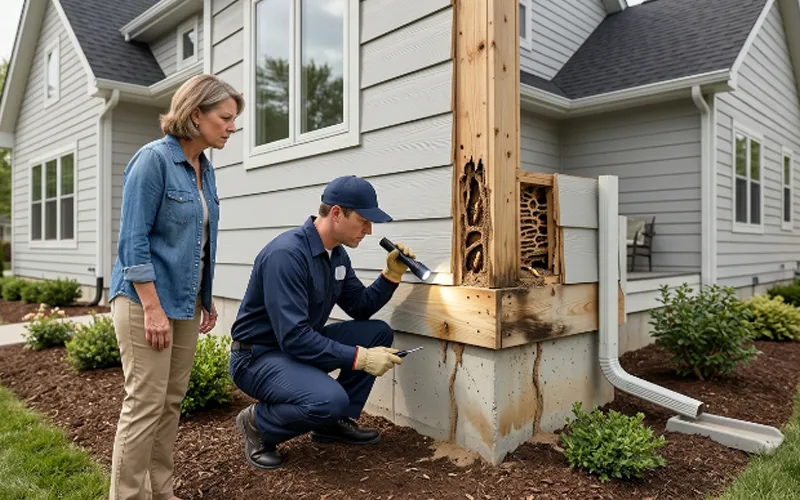
A property can appear strong and well maintained from the outside while hidden pest activity gradually causes damage behind walls, beneath floors, inside wooden structures, and around other vulnerable areas. Termites are particularly concerning because they can remain unnoticed while feeding on materials that contain cellulose, including many forms of wood used in residential and commercial construction. Unlike pests that are easily seen moving across floors or surfaces, these insects often work in concealed areas, allowing damage to progress without obvious signs during the early stages. Over time, their activity can weaken structural components, damage flooring, affect door and window frames, and create costly repair requirements. Understanding how these pests behave, recognizing warning signs, and arranging professional inspections when concerns arise can help property owners take action before a minor issue becomes a major structural problem.
Table of Contents
ToggleWhy Termite Activity Can Be Difficult to Notice
One of the biggest challenges with termite infestations is their ability to remain hidden. Many species spend most of their lives inside soil, wood, wall voids, crawl spaces, foundations, or other protected areas. Because they avoid open exposure, homeowners may not see active insects even when a colony has already formed nearby. This hidden behavior means visible damage may sometimes provide the first warning. By the time a property owner notices hollow-sounding wood, damaged trim, discarded wings, mud tubes, or other signs, the infestation may have been developing for a long time.
The absence of visible insects should not automatically mean that a property has no termite activity. Professional inspections can help because trained technicians know which areas need closer attention. They can examine vulnerable wood, foundation areas, moisture-prone locations, crawl spaces, and other potential entry points. A systematic inspection may uncover evidence that routine household maintenance could miss. This gives property owners a chance to address the problem before the damage becomes more extensive.
Understanding How Termites Affect Buildings
Termites feed on cellulose, which is found in wood and many plant-based materials. In a building, this can include structural lumber, framing components, wooden flooring, trim, cabinets, and other materials. Depending on the species and environmental conditions, termites may attack different parts of a structure or establish colonies in soil near the foundation. Their ability to work continuously means that even small amounts of activity can eventually result in significant damage if left untreated.
The impact of an infestation depends on several factors, including colony size, species, moisture conditions, available food sources, building construction, and the length of time the insects remain undetected. Not every sign of damage means that a structure has suffered serious structural deterioration, but unexplained wood damage should never be ignored. A professional evaluation can determine whether the damage is old or active and whether treatment or repairs may be necessary.
Common Signs of an Infestation
Property owners should become familiar with common warning signs so that potential problems can be addressed promptly. Mud tubes along foundations, walls, or other surfaces can indicate subterranean termite activity because these structures provide protected pathways between the colony and food sources. Small piles of discarded wings near windows, doors, light fixtures, or other areas may also suggest the presence of reproductive insects after swarming activity. Damaged wood can sometimes appear blistered, hollow, cracked, or weakened, although visual evidence varies depending on the type of infestation.Other signs may be less obvious. Doors or windows that suddenly become difficult to operate can sometimes be associated with moisture or structural changes, and while these problems have many possible causes, unexplained changes should be investigated. Wood that sounds hollow when tapped may also deserve closer inspection. Small holes, bubbling surfaces, damaged flooring, or unexplained deterioration around wooden components can provide additional clues. None of these signs should automatically be considered definitive without an inspection, but they can justify professional evaluation.
Why Moisture Control Matters
Moisture can play an important role in creating favorable conditions for certain termite species and other wood-destroying organisms. Leaking plumbing, damaged gutters, poor drainage, condensation, foundation moisture, and inadequate ventilation can contribute to damp conditions around vulnerable parts of a property. Wet or decaying wood may become particularly attractive to certain pests, while excessive moisture can also weaken building materials and create additional maintenance problems.Controlling moisture is therefore an important part of property protection. Gutters and downspouts should direct water away from the foundation, plumbing leaks should be repaired promptly, and areas such as crawl spaces should have appropriate ventilation and moisture management. Property owners should also pay attention to landscaping and drainage conditions around the structure. Reducing unnecessary moisture does not guarantee that an infestation will never occur, but it can eliminate environmental conditions that may contribute to pest activity and wood deterioration.
Protecting Wooden Structures
Wooden components should receive regular attention because they can represent valuable food sources for wood-destroying insects. Exterior wood that remains in contact with soil, damp landscaping materials, or persistent moisture may be particularly vulnerable. Property owners should inspect wooden steps, decks, fences, siding, trim, and structural elements for signs of deterioration or insect activity. Any wood that has become damaged or excessively exposed should be evaluated and maintained appropriately.Inside the property, areas around bathrooms, kitchens, utility rooms, basements, crawl spaces, and plumbing fixtures can deserve additional attention because moisture problems are more likely to occur there. Regular maintenance can help identify leaks, condensation, or damaged materials before they create larger problems. Keeping wood dry and maintaining building components in good condition can support overall property health while reducing opportunities for pests to establish themselves.
Professional Termite Inspections
A professional inspection can reveal problems that a casual visual check may miss. Experienced technicians can examine vulnerable areas for pest activity, damage, moisture, and entry points. An inspection may include the foundation, crawl spaces, basement, wooden framing, and exterior areas.
Professional inspections can also show whether an infestation is active. Wood may retain damage from an old infestation. Finding damaged material does not always mean treatment is needed. A qualified technician can assess the evidence and explain the cause, which can be important when carrying out a building and pest inspection Melbourne. This helps property owners avoid unnecessary treatments and address active infestations promptly.
Treatment Options for Different Infestations
There is no single treatment approach that is appropriate for every property. The correct strategy depends on the species involved, location of the colony, extent of activity, construction type, moisture conditions, and other environmental factors. Professional pest control may involve liquid treatments, baiting systems, targeted applications, monitoring, structural recommendations, or a combination of approaches. The goal is to address the colony and reduce opportunities for continued activity rather than simply treating insects that happen to be visible.Baiting systems can be useful in certain circumstances because workers may carry the active ingredient back through the colony. Liquid treatments may also be appropriate for creating treated zones around vulnerable areas when applied by trained professionals according to applicable product requirements. The best approach should be determined following inspection rather than selected solely on price or convenience. A professional can explain why a particular method is recommended and what the property owner should expect throughout the treatment process.
The Importance of Professional Application
Pest control products must be applied carefully and according to their labels. Incorrect application can reduce effectiveness and may create unnecessary risks for people, pets, property, and the surrounding environment. Professional technicians receive training in pest identification, treatment methods, equipment use, and safety procedures, allowing them to approach infestations more systematically.Professional application also allows treatment to be targeted toward areas where activity is most likely to occur. Instead of applying products indiscriminately, technicians can focus on identified entry points, soil zones, structural areas, or other relevant locations. This targeted strategy can improve efficiency while reducing unnecessary exposure to treatment products. Property owners should always follow any instructions provided by the pest control professional before, during, and after treatment.
Preventing Future Infestations
Prevention should begin with basic property maintenance. Regular inspections can help identify moisture problems, wood deterioration, cracks, damaged exterior materials, and other conditions that could create opportunities for pests. Keeping soil, mulch, vegetation, and other materials from creating direct pathways to vulnerable wooden components can also support preventive efforts. Any visible mud tubes or unexplained wood damage should be investigated rather than removed without determining why they appeared.Moisture management is equally important. Leaking faucets, plumbing lines, roofs, gutters, and drainage systems should be repaired when problems are identified. Crawl spaces and other enclosed areas should remain appropriately ventilated and protected from excessive moisture. By addressing environmental conditions as well as pest activity, property owners can create a less favorable environment for wood-destroying insects.
The Connection Between Landscaping and Pest Activity
Landscaping can influence the conditions immediately surrounding a structure. Excessive vegetation, dense mulch, firewood, or wooden materials placed close to exterior walls may create concealed areas where insects can move toward the building. Firewood should generally be stored away from the structure and elevated where appropriate, while landscaping materials should not create unnecessary contact with vulnerable wooden components.Plants and irrigation systems should also be managed carefully so that water does not repeatedly accumulate near foundations. Overwatering can contribute to persistent moisture, while blocked drainage can cause water to remain against exterior surfaces. These conditions may not directly create an infestation in every situation, but they can contribute to a favorable environment for pests and accelerate deterioration of building materials.
Protecting New Construction and Renovations
New construction and renovation projects offer opportunities to add preventive measures early. Builders and property owners can use proper construction practices, moisture control, drainage, wood protection, and pest management recommendations. Fixing vulnerabilities before closing walls or installing finished surfaces can prevent hidden problems later.
Renovation work should also include an inspection of existing structures. Removing flooring, walls, cabinets, or other components may reveal hidden signs of pest activity. Property owners should not assume damaged wood is only the result of age. If insects may have caused the damage, a professional can assess the situation. This helps determine whether treatment is needed before installing new materials.
Why Delaying Treatment Can Be Costly
Termite damage can progress quietly, making procrastination particularly risky. A property owner may see a small area of damage and assume that it is insignificant, but hidden activity may extend beyond the visible location. Because insects can operate inside walls, floors, foundations, and other concealed spaces, the true extent of an infestation cannot always be determined by looking at surface damage alone.Delaying professional evaluation can allow the colony to continue affecting vulnerable materials. Over time, repairs may become more complicated because damaged components may require replacement rather than simple maintenance. Early inspection gives property owners more information and allows them to make decisions based on the actual condition of the structure. Even when treatment is not immediately required, knowing that an area has been inspected can provide valuable peace of mind.
Choosing a Reliable Pest Control Provider
Selecting the right pest control provider is important for protecting a property. Property owners should choose companies with experience in wood-destroying pests. They should also provide detailed inspections before recommending treatment. A professional should explain what was found and where activity is occurring. They should also discuss treatment options and ways to reduce future risks.
Clear communication is important during pest control. The provider should explain preparation, treatment procedures, safety, monitoring, and follow-up steps. Property owners should also feel comfortable asking questions. A professional service should address the pest problem while helping customers protect their property in the future.
Monitoring After Treatment
Treatment does not always represent the end of the pest management process. Follow-up inspections and monitoring can help determine whether activity has been successfully controlled. Depending on the treatment method, technicians may recommend periodic inspections, bait monitoring, or other forms of observation. Continued monitoring is particularly useful because it provides an opportunity to identify new activity before it becomes extensive.Property owners should also remain aware of changes around the structure. New mud tubes, discarded wings, unexplained wood damage, or other suspicious evidence should be reported to a professional. Even when previous treatment was successful, new pests can potentially enter a property later. Ongoing awareness provides an additional layer of protection and supports long-term property maintenance.
Protecting Property Value and Structural Integrity
A building represents a significant investment, and protecting its structural components should be a long-term priority. Pest-related wood damage can affect more than appearance because important wooden components may contribute to the stability and functionality of the structure. Addressing infestations promptly can help reduce the likelihood of extensive deterioration and may also make future property maintenance more predictable.Preventive pest management can therefore be viewed as part of responsible property ownership rather than simply an emergency response. Regular inspections, moisture control, exterior maintenance, and professional monitoring can all contribute to preserving the condition of the building. When potential activity is discovered, acting quickly can help protect both the structure and the financial investment associated with it.
When to Schedule an Inspection
Property owners should consider arranging a professional inspection when they discover mud tubes, discarded wings, damaged wood, unexplained structural deterioration, or other suspicious evidence. An inspection can also be worthwhile when purchasing a property, beginning a major renovation, or dealing with recurring moisture problems. Identifying vulnerabilities before they develop into significant infestations can make preventive action more practical.If there is uncertainty about whether pest activity is present, professional evaluation is preferable to relying entirely on assumptions. A technician can inspect the relevant areas and provide recommendations based on observable evidence. This allows the property owner to understand whether treatment, repairs, moisture control, monitoring, or additional investigation is appropriate.
Building a Stronger Pest Prevention Strategy
Long-term pest prevention works best when several property maintenance practices are combined. Keeping wooden materials in good condition, controlling moisture, maintaining drainage, monitoring foundations, inspecting vulnerable areas, and addressing signs of activity promptly can all reduce potential risks. Professional pest management can complement these efforts by providing specialized inspections and treatments when necessary.Homeowners and property managers should also recognize that prevention is an ongoing responsibility. A property that has never experienced an infestation can still become vulnerable due to changes in moisture, landscaping, construction, or pest movement. Regular inspections and responsible maintenance can help identify those changes before they become serious concerns. If you need professional assistance with Termites , an experienced pest control provider can evaluate the property and help develop a treatment or prevention plan suited to its specific conditions.
A Proactive Approach to Pest Protection
Protecting a property from wood-destroying pests requires awareness and regular maintenance. Timely professional support is also important. These insects can stay hidden for long periods. Waiting for visible damage may make the problem harder and more expensive to fix.
Regular inspections help identify warning signs and vulnerable areas. Professional pest control can provide targeted treatment when needed. Moisture control, proper drainage, landscaping, and careful wood storage can also help. Regular structural inspections add another layer of protection.
Together, these steps can help protect your property and reduce the risk of serious pest damage. For professional termite assistance, contact an experienced pest control team. They can assess the situation and recommend a suitable solution.
Conclusion
A termite infestation can remain hidden while gradually affecting wooden components throughout a property. This makes awareness and early detection especially important. Understanding common warning signs, maintaining proper moisture control, and inspecting vulnerable areas can help reduce potential damage. Property owners should also seek professional assistance when suspicious evidence appears.
Professional pest management can help identify activity and determine the right treatment strategy. Preventive maintenance should continue after treatment through regular inspections, moisture management, and landscaping care. By taking a proactive approach, homeowners and property managers can better protect structural materials, preserve property value, and maintain their building.
Frequently Asked Questions
1. What are wood-destroying pests?
Wood-destroying pests are insects that damage wooden structures and materials. Termites are among the most common examples because they feed on cellulose found in wood.
2. How can I tell if my property has termites?
Common signs include mud tubes, discarded wings, hollow-sounding wood, damaged flooring, cracks, and unexplained deterioration around wooden structures.
3. Can termites damage a property without being visible?
Yes. Termites often remain inside walls, floors, foundations, crawl spaces, or wooden structures, so an infestation may continue for a long time without visible insects.
4. Does moisture attract termites?
Moisture can create favorable conditions for certain termites and other wood-destroying organisms. Fixing leaks, improving drainage, and controlling damp areas can help reduce potential risks.
5. How often should a property be inspected for termites?
The appropriate inspection schedule depends on the property’s location, construction, history, and risk factors. Regular professional inspections can help identify activity before significant damage develops.
6. What is the best treatment for a termite infestation?
There is no single treatment that works for every situation. Professionals may recommend liquid treatments, baiting systems, monitoring, or a combination based on the termite species and extent of the infestation.
7. Can termite damage be prevented?
Yes. Moisture control, proper drainage, regular inspections, keeping wood away from soil, maintaining landscaping, and addressing structural problems can help reduce the risk of termite activity.
8. When should I call a professional termite control company?
You should consider professional help if you notice mud tubes, discarded wings, damaged wood, unexplained deterioration, or other signs that may indicate termite activity.