Fashion trends come and go, but some accessories remain relevant because they combine style with practical value. Shawls are a perfect example. They can add elegance to a simple outfit, provide an extra layer during cooler weather, and introduce color or texture without overwhelming the overall look. Their flexibility allows them to work across different seasons, occasions, and personal styles.
Another reason for their lasting appeal is the variety of ways they can be worn. A shawl may be draped over the shoulders, wrapped around the body, or arranged loosely for a relaxed appearance. Different fabrics, patterns, and sizes also make it possible to create looks ranging from understated and casual to refined and sophisticated. This combination of comfort and visual appeal has helped keep shawls relevant across generations.
Choosing the Right Style for Your Look
Selecting the right shawl starts with considering its size, shape, material, and intended use. Traditional rectangular designs offer a classic appearance and are easy to drape, while wider styles provide additional coverage and can create a more striking silhouette. Lightweight options are convenient for layering, whereas thicker materials are better suited to colder conditions.
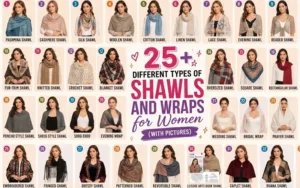
shawls for women
Color and pattern should also complement the rest of the wardrobe. Neutral shades can work with a wide range of clothing, while embroidery, prints, fringes, and rich colors can make the accessory a more noticeable part of an outfit. For everyday wardrobes, shawls for women in versatile shades can pair easily with trousers, skirts, dresses, coats, and sweaters. Rather than choosing a design based only on its appearance, consider how naturally it will work with clothing you already own.
From Casual Layers to Evening Elegance
A shawl can easily adapt to different levels of formality. A soft knitted design can add warmth to jeans and a sweater, while a finely finished piece can bring polish to tailored clothing. For special occasions, evening wraps and shawls for dresses provide an elegant layer that offers coverage while allowing the main outfit to remain visible.
The style of the dress should guide the choice. A flowing dress may look balanced with a lightweight and delicate wrap, while a structured gown may benefit from a more substantial design. Matching the exact color is not always necessary; carefully selected contrast can create a more interesting appearance. The key is maintaining visual balance so the shawl complements rather than competes with the outfit.
Fabrics That Define the Experience
The material of a shawl affects its texture, appearance, warmth, and overall character. Pashmina shawls are widely appreciated for their soft feel and elegant appearance, making them suitable for both sophisticated everyday outfits and formal occasions. Cashmere shawls offer a similarly luxurious experience while providing excellent warmth for cooler seasons.
Silk creates a lighter and more polished effect. Its smooth surface and subtle sheen make it particularly attractive for celebrations and evening dressing. For those who appreciate handmade fashion, crochet shawls offer something different through their distinctive texture and handcrafted patterns. Simple crochet designs can suit relaxed outfits, while intricate stitches and decorative borders can give them a more artistic appearance.
Because each fabric behaves differently, choosing the material should depend on the climate, occasion, and desired level of comfort. A lightweight material may be preferable indoors or during warmer months, while a thicker option can provide greater insulation when temperatures drop.
A Touch of Tradition and Meaning
Shawls have significance beyond contemporary fashion. Across different cultures and communities, textile garments have been connected with hospitality, craftsmanship, ceremonies, gifting, and personal expression. Their history demonstrates how a practical item can gradually become part of traditions and meaningful occasions.
Prayer shawls, for example, hold symbolic value within particular religious traditions and may be associated with reflection, devotion, and personal significance. Their importance is therefore connected not simply to their appearance but also to the context in which they are used.
Handmade traditions further demonstrate the creative side of shawl design. Crochet patterns allow makers to experiment with stitches, shapes, borders, and decorative elements. Resources such as the Leisure Arts Cozy Shawls Scarves Book have helped introduce craft enthusiasts to wearable textile projects. Creating a shawl by hand can encourage patience and creativity while providing an appreciation for the skill involved in textile work.
Styling for Weddings and Special Celebrations
Weddings provide an opportunity to use a shawl as an elegant finishing layer. Shawls for wedding celebrations can add sophistication while offering practical coverage during outdoor ceremonies or cooler receptions. Soft neutral shades can complement traditional formalwear, while carefully selected colors can coordinate with the broader wedding palette.
When choosing an accessory for such occasions, proportion is especially important. A delicate design may work well with a lightweight summer outfit, whereas a warmer material can be more appropriate for autumn or winter celebrations. For evening receptions, shawls and wraps for evening dresses can provide an easy additional layer that can be removed when moving into warmer indoor spaces.
The goal should be to support the overall appearance rather than distract from it. Subtle embellishment, refined textures, and complementary tones often create a more balanced result than excessive decoration.
Finding a Shawl That Fits Your Lifestyle
The best shawl is one that suits your actual routine rather than simply following a temporary trend. Someone who regularly attends formal events may prefer refined fabrics and understated details, while an individual looking for an everyday accessory may value durability, easy styling, and neutral colors.
People searching for shawls near me may discover many local choices, but convenience should not be the only consideration. Fabric quality, construction, size, comfort, and versatility are equally important when comparing options. A small collection can be more useful than a large one if every piece serves a different purpose.
For example, an everyday design, a warm winter option, and an elegant formal piece can cover many situations. A distinctive patterned shawl can then provide an additional way to refresh simple outfits without requiring an entirely new wardrobe.
Making Shawls Part of Modern Fashion
Modern styling has expanded the traditional ways of wearing this accessory. Instead of simply placing it over the shoulders, fashion enthusiasts can experiment with belts, brooches, layered outerwear, and asymmetrical arrangements. These techniques can change the silhouette and make a familiar piece feel more contemporary.
Balance remains important when creating a modern outfit. An elaborate pattern can become the main visual feature when paired with simple clothing, while a plain design can bring harmony to an outfit containing bold prints or strong textures. Small accessories such as understated earrings or a structured handbag can finish the look without creating unnecessary visual clutter.
Travel is another practical setting where a lightweight shawl can be useful. It can provide an additional layer on a cool journey, work as a simple accessory when arriving at a destination, and take up relatively little space in luggage.
Caring for Timeless Pieces
Good care can significantly extend the life of a quality shawl. Since different fabrics have different requirements, cleaning instructions should always be checked before washing or treating the material. Delicate textiles generally benefit from gentle handling and protection from excessive moisture, heat, and friction.
Storage is equally important. Keeping shawls in a clean, dry environment away from prolonged direct sunlight can help preserve their appearance. Softer materials may be better folded rather than hung for long periods because this can reduce the risk of stretching. Handmade pieces should also be checked occasionally for loose threads or small areas of damage so that minor issues can be addressed early.
Keeping things in good condition can be simple and easy to manage. Consistent, careful handling can help a well-made shawl remain attractive and useful for many seasons.
The Lasting Appeal
The enduring charm of shawls comes from their ability to bring together fashion, comfort, craftsmanship, and practicality. They can add refinement to formal clothing, introduce texture to everyday outfits, and provide warmth when needed. Their variety of fabrics and designs also means that different people can find options that suit their individual tastes.
Whether someone prefers soft cashmere, elegant silk, traditional pashmina, warm wool, or handcrafted crochet, the right choice can become a reliable part of a wardrobe. Ultimately, wearing a shawl is about finding the right balance between appearance and comfort. With thoughtful selection and simple styling, one well-chosen layer can give an outfit a polished finish while remaining practical enough for everyday life.
FAQs
Why are shawls considered a timeless fashion accessory?
They remain popular because they combine elegance, comfort, warmth, and versatility. They can complement casual outfits as well as formal clothing across different seasons.
How can shawls be styled with everyday outfits?
A lightweight piece can be draped over a sweater, coat, dress, or casual top. Neutral colors are especially easy to coordinate with different wardrobe combinations.
Which fabrics are best when choosing shawls for colder weather?
Cashmere, wool, and other thicker materials are suitable for cooler temperatures because they provide greater warmth and insulation while maintaining a polished appearance.
Are shawls suitable for formal occasions and evening events?
Yes. Finely finished designs can complement gowns, cocktail dresses, and other formalwear. Delicate textures and subtle colors can create an elegant finishing layer.
Can shawls be worn at weddings?
They can be an attractive and practical addition to wedding outfits, especially during outdoor ceremonies or cooler receptions. The material and color should complement the overall formal look.
How should shawls be stored to maintain their quality?
They should generally be kept in a clean, dry place away from prolonged sunlight. Delicate materials are often better folded rather than left hanging for extended periods.
Can shawls be used as travel accessories?
Yes. A lightweight design can provide an extra layer during cool journeys and can also serve as a simple fashion accessory once you reach your destination.
What should you consider before buying shawls?
Consider the fabric, size, color, construction, comfort, and intended use. Choosing a versatile design that works with clothing you already own can make the accessory more useful over time.