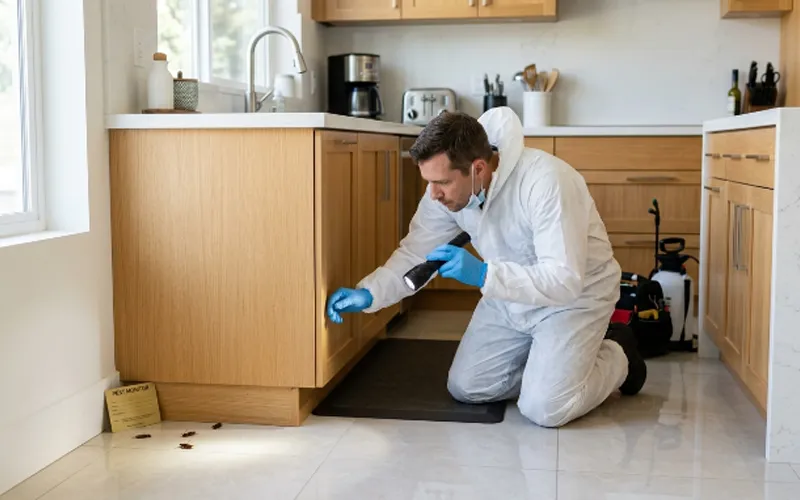
What Happens After Pest Treatment and Why Follow-Up Findings Matter for Lasting Results
A pest treatment appointment may feel like the end of an infestation, especially when visible activity drops soon afterward. Yet the period following treatment can reveal useful information about where pests were hiding, how widespread the problem was, and whether conditions around the property still support activity. What homeowners observe during this stage deserves careful attention.
Post-treatment activity does not always have a simple explanation. Different pests behave differently, treatment methods vary, and concealed areas may remain difficult to observe directly. An Exterminator can use follow-up findings to distinguish between expected changes, continuing evidence, and conditions that may require another assessment.
Homeowners have a useful role during this period without needing to diagnose the problem themselves. Recording sightings, avoiding unnecessary disturbance, following preparation instructions, and correcting separate maintenance issues can make later observations more meaningful. Agile Pest Control may use information gathered after an initial service when assessing what the property shows next.
Table of Contents
ToggleTreatment Results Should Be Judged by Evidence Over Time
A single observation immediately after treatment rarely provides enough information to judge the entire outcome. Pest activity has to be considered in relation to the original infestation, affected locations, treatment approach, and instructions provided for the property. A change that seems concerning without context may have a reasonable explanation.
Homeowners should pay attention to patterns instead of reacting to every isolated sighting. Useful details include where activity appears, when it occurs, whether the same location is repeatedly involved, and whether new evidence differs from what was present before treatment. Notes or photographs may preserve information that disappears before a follow-up visit.
The goal is to create a clear record, not to watch the property constantly. Consistent observations give an Exterminator better information than vague recollections such as saying pests are “still around.” Location and timing make a report much easier to interpret.
Avoid Disturbing Treated Areas Without Instructions
Cleaning is normally part of household maintenance, but immediately changing a treated area may interfere with the service plan. Residents should follow the specific instructions they receive about cleaning, vacuuming, moving furniture, or accessing treated spaces rather than assuming every surface should be scrubbed immediately.
The same principle applies to rearranging belongings. Moving boxes, appliances, furniture, or stored materials between rooms can change the environment being monitored. It may also make later evidence harder to connect with its original location.
A professional pest control Middletown, NJ may provide instructions associated with the service performed, and those directions should guide what happens next. Homeowners should ask for clarification when they are uncertain about a treated surface or room instead of applying their own products or cleaning methods without knowing whether they interfere with the treatment plan.
New Sightings Need Context Before They Trigger a Reaction
Seeing a pest after service can be frustrating, but the sighting needs to be documented before conclusions are drawn. The species, location, timing, and number observed all matter. One insect near a previously affected area provides different information from repeated activity appearing in several rooms.
Residents should avoid immediately spraying an unidentified insect with another product. Additional products may alter activity, remove useful evidence, or conflict with instructions from the original service. If possible, a clear photograph or safely preserved specimen may assist identification.
An Exterminator can compare new evidence with what was documented during the first assessment. This comparison is more useful than treating every post-service sighting as proof that nothing changed. Follow-up decisions should reflect the actual pattern developing inside the property.
Follow-Up Inspections Can Reveal Previously Hidden Areas
Initial inspections are based on the evidence and accessible conditions present at that time. Later observations may point toward another hiding place, travel route, or supporting condition that was not apparent during the first visit. This is one reason follow-up information can add value beyond simply repeating the original inspection.
For example, activity concentrated near one cabinet after treatment may direct closer attention toward nearby plumbing penetrations or wall-adjacent spaces. Evidence appearing around an attic access point may suggest that a different part of the building deserves examination. These findings narrow the investigation.
Agile Pest Control may consider these changing patterns when a property is reassessed. The purpose of a follow-up is not merely to confirm whether a pest was seen again. It is to determine what the new evidence says about the location and extent of remaining activity.
Property Conditions Still Need Separate Attention
Treatment addresses pest activity, but it does not automatically repair the building conditions that may have contributed to the problem. A leaking pipe remains a plumbing issue. A damaged door sweep, torn screen, food spill, or exterior opening may also require separate correction.
This distinction matters because homeowners sometimes expect treatment to compensate permanently for conditions that continue supplying food, water, shelter, or access. Correcting those issues makes the property less accommodating and removes variables that could complicate later observations.
Maintenance work should still be timed sensibly. If sealing, repairs, or major cleaning were discussed during the service, homeowners should follow the recommended sequence so useful evidence is not concealed prematurely. Clear coordination keeps pest work and property repairs from interfering with each other.
Avoid Adding Unplanned Products Between Visits
A store shelf may offer sprays, powders, traps, foggers, and other products that promise quick pest relief. Adding them after professional treatment without discussing the situation can make the follow-up harder to interpret. Different products are designed for different pests and applications.
More treatment is not automatically better treatment. Applying substances to random surfaces may move activity, create unnecessary exposure, or affect areas being monitored. Product labels also contain directions and restrictions that must be followed.
Agile Pest Control may need an accurate account of anything applied after the original service when reviewing later findings. Residents should keep track of any pest products they use and communicate that information. A clear treatment history gives the assessment more context.
Recurring Evidence May Point to an Unresolved Source
Repeated activity in the same location deserves attention because it may indicate that pests continue to reach that area. The source could involve an entry route, concealed nesting location, food supply, moisture condition, or another factor associated with the particular pest.
Patterns across different locations may tell another story. Evidence moving from one area to another can change the scope of an investigation and may require examination beyond the original treatment zone. An Exterminator uses these patterns to decide which accessible areas deserve renewed attention.
Homeowners should report recurring evidence according to the follow-up instructions they received. Waiting until the details are forgotten makes it harder to explain what changed. A simple record of dates, locations, and observations is usually more useful than an estimate made weeks later.
Follow-Up Findings Create a Clearer Picture of the Problem
Successful pest management is easier to evaluate when homeowners know what to observe after service. Changes in activity, repeated evidence, new locations, maintenance conditions, and anything applied between visits all provide information that may affect the next assessment.
The days following treatment should not become a period of constant worry or uncontrolled experimentation. Residents can follow service instructions, document meaningful evidence, keep relevant areas accessible, and complete separate repairs at the appropriate time. Those actions preserve information without requiring homeowners to become pest specialists.
A treatment visit addresses the conditions identified at a particular point in time, while follow-up observations show what happens afterward. Keeping those observations specific and organized makes them more useful. When additional assessment is needed, accurate findings allow the next decision to be based on what the property is actually showing rather than assumptions about what should have happened.
Frequently Asked Questions
1. What should I expect after pest treatment?
After pest treatment, visible pest activity may decrease, but some activity can still be observed. Follow your provider’s instructions and monitor any new sightings.
2. Is it normal to see pests after treatment?
Yes, seeing an occasional pest after treatment does not automatically mean the treatment failed. The type, location, timing, and frequency of sightings are important.
3. Should I clean the treated area immediately?
Not necessarily. Follow the specific cleaning and access instructions provided after treatment, as cleaning too soon may interfere with the treatment plan.
4. What should I do if I see a pest after treatment?
Record where and when you saw it and, if possible, take a clear photograph. Avoid applying additional pest-control products unless advised by the professional.
5. Why is a follow-up inspection important?
A follow-up inspection can help identify remaining activity, hidden pest areas, entry points, or property conditions that were not obvious during the initial treatment.
6. Can property problems cause pests to return?
Yes. Leaks, cracks, damaged screens, food sources, moisture, and other conditions can continue to provide pests with access, food, or shelter.
7. Should I use another pest product after professional treatment?
It is better to discuss additional products with the pest-control professional first. Unplanned sprays, powders, or traps may interfere with monitoring or the existing treatment plan.
8. What information should I provide during a follow-up?
Share details such as the type of pest, location, date, time, frequency of sightings, and any products or maintenance work completed after the initial treatment.
Tags