What You Should Know Before Considering a Facelift
If you’re looking into facial rejuvenation in Oklahoma City, you’re probably seeing a mix of glossy promises and medical terms that sound more complicated than they need to be. A facelift can be a practical option for people dealing with sagging skin, deep folds, and loss of definition around the jawline.
In a city where personal appearance often overlaps with work, social life, and confidence, it helps to know what the procedure actually involves before making any decisions.
Table of Contents
ToggleWhat a Facelift Actually Changes
A facelift is designed to improve visible signs of aging in the lower face and neck. You’re usually looking at concerns like jowls, loose skin, deep creases around the mouth, and a softer jawline that used to be sharper.
It’s not a one-button reset for every part of your face. A facelift won’t usually fix surface-level skin texture, sunspots, or fine lines on its own. Those issues often need treatments like laser resurfacing, chemical peels, or skincare with ingredients that actually pull their weight.
The procedure mainly works by lifting underlying tissue, repositioning facial structure, and trimming extra skin. Good results tend to look refreshed, not frozen.
The Different Types of Facelifts Matter More Than You Think
Not every facelift is the same, and the label matters because it affects the result, scar placement, recovery time, and how dramatic the change will be. Terms like mini facelift, SMAS facelift, and deep plane facelift aren’t just marketing accessories.
A mini facelift usually targets mild to moderate sagging with shorter incisions and a somewhat easier recovery. A traditional or SMAS facelift addresses deeper layers and often gives more substantial, longer-lasting improvement. A deep plane facelift can reposition tissue more extensively and may create a very natural result in the right hands.
If you’re also interested in learning more about a facelift Oklahoma City has excellent professionals and establishments that can guide you according to your skin type and other requirements. The best way to move ahead is to book a consultation and see what your options are.
Knowing When You’re a Good Candidate
You don’t need to hit a certain birthday to consider a facelift. Age matters less than the actual condition of your skin, facial support, and overall health. Some people start noticing major laxity in their forties, while others don’t think about it seriously until their sixties.
You could be a suitable candidate for the procedure if you:
– Have sagging in the cheeks, jawline, or neck
– Still have some skin elasticity
– Are in generally good health
– Avoid smoking, or be prepared to quit for a period before your procedure.
– Understand what the procedure can realistically achieve and allow enough time for proper healing.
A facelift is usually better for structural aging than for tiny cosmetic complaints. If your issue is mild, a surgeon may suggest less invasive options first. That’s often a good sign. It means the recommendation is based on fit, not salesmanship.
What Consultation Quality Can Tell You
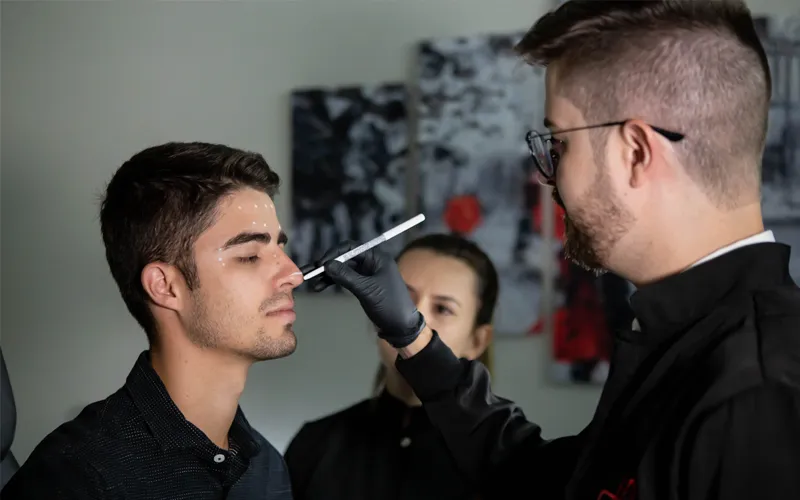
The consultation is where you start seeing whether a practice is thoughtful or just polished. Anyone can have a sleek website and flattering office lighting. What matters is whether the surgeon listens carefully, evaluates your facial structure, and explains tradeoffs without dodging specifics.
You should expect discussion around:
– Your medical history and medications
– The facial features or changes you would most like to improve.
– Surgical technique options
– Risks, scars, anesthesia, and downtime
– Whether you’d benefit from add-on procedures like a neck lift or fat transfer
Photos of past patients can help, but they shouldn’t be the whole conversation. Your face isn’t a template. It’s your actual face, attached to your actual life. If a provider seems rushed or strangely vague, that’s useful information. You’re not being picky. You’re screening for judgment.
Recovery Is Temporary, but It Deserves Respect
The healing period is often the part patients are least prepared for. Not because it’s mysterious, but because everyone prefers the fantasy of waking up instantly camera-ready. Real healing is less glamorous and more practical.
Most people deal with swelling, bruising, tightness, and some fatigue in the first couple of weeks. You may need to sleep with your head elevated, pause workouts, avoid bending over too much, and keep social plans light for a bit. Video calls can be selective. That’s not deception. That’s strategy.
A few common recovery realities include:
– Taking at least one to two weeks off work, depending on your job
– Waiting several weeks before intense exercise
– Seeing final results gradually as swelling settles
– Following wound care instructions carefully to reduce complications
Patience matters here. The early healing phase rarely shows the finished result, and day five can look more dramatic than day one.
Risks, Costs, and the Questions Worth Asking
Every surgery comes with risk, even when performed by a qualified specialist. With facelifts, possible issues include bleeding, infection, poor scarring, asymmetry, temporary or longer-term nerve effects, and dissatisfaction with the final look. None of that means surgery is a bad idea. It means informed decisions beat blind optimism.
Cost is another major factor. Facelifts are usually elective, so insurance typically won’t cover them. Pricing may include:
– Surgeon’s fee
– Anesthesia fee
– Facility fee
– Post-op appointments
– Prescription medications
Ask for a full breakdown instead of focusing on the headline number. A lower price can be appealing, but bargain-face energy is not the vibe. You’re paying for surgical expertise, safety standards, and aesthetic judgment, not just operating room time.
How to Judge Results Without Getting Misled
The best facelift results often don’t scream facelift. They make you look rested, firmer, and more like yourself on a very good month. If before-and-after photos look overly tight, oddly identical, or filtered into another dimension, take that as a cue to ask more questions.
Look for consistency in outcomes across different patients, ages, and facial structures. Natural-looking rejuvenation usually means the surgeon respects balance instead of chasing extremes. The goal isn’t to erase every line until your face stops matching your age entirely. The goal is harmony.
It also helps to think beyond trends. Surgical choices should age well over time, not just photograph well for six weeks. That means evaluating longevity, scar placement, and whether the result still allows normal facial expression. You want movement, not mannequin precision.
Making a Smart Decision That Fits Your Life
A facelift can be a meaningful choice if your appearance no longer matches how energized or confident you feel. It can also be the wrong move if you’re chasing perfection, reacting to one bad selfie, or hoping surgery will solve stress that lives somewhere deeper.
The smartest approach is usually a measured one. Research the surgeon, ask direct questions, understand the recovery, and think honestly about timing. Work schedules, caregiving responsibilities, social commitments, and health habits all affect whether the process will be manageable.
If you move forward, aim for a decision grounded in self-awareness rather than pressure. Cosmetic surgery tends to go best when you’re informed, prepared, and clear on your reasons. A stronger jawline is nice. Feeling confident in the choice that got you there matters just as much.
Frequently Asked Questions
1. What does a facelift improve?
A facelift mainly addresses visible signs of aging in the lower face and neck, including loose skin, jowls, deep folds, and reduced jawline definition.
2. What are the different types of facelifts?
Common options include mini facelifts, traditional or SMAS facelifts, and deep plane facelifts. Each technique differs in how much tissue is repositioned, the expected results, and recovery time.
3. How do I know if I am a good candidate for a facelift?
A suitable candidate is generally in good health, has noticeable facial or neck sagging, retains some skin elasticity, and understands what the procedure can realistically achieve.
4. How long does facelift recovery take?
Many patients need around one to two weeks away from work, although recovery varies. Swelling and other changes can continue for several weeks as the face gradually heals.
5. What are the risks of facelift surgery?
Potential risks include infection, bleeding, scarring, asymmetry, changes in sensation, nerve-related effects, and dissatisfaction with the final appearance. Your surgeon should explain the risks during consultation.
6. Will a facelift remove fine lines and sun damage?
Not usually. A facelift focuses primarily on sagging and structural changes. Fine lines, uneven texture, and sun damage may require treatments such as resurfacing, peels, or appropriate skincare.
7. How much does a facelift cost?
The total price varies depending on the surgeon, technique, anesthesia, facility, and additional procedures. Ask for a detailed cost breakdown during your consultation rather than relying on a single advertised price.
8. How can I choose the right facelift surgeon?
Look for a qualified, experienced surgeon who carefully evaluates your facial structure, explains available techniques and risks, shows relevant before-and-after results, and gives you realistic expectations about recovery and outcomes.
Tags