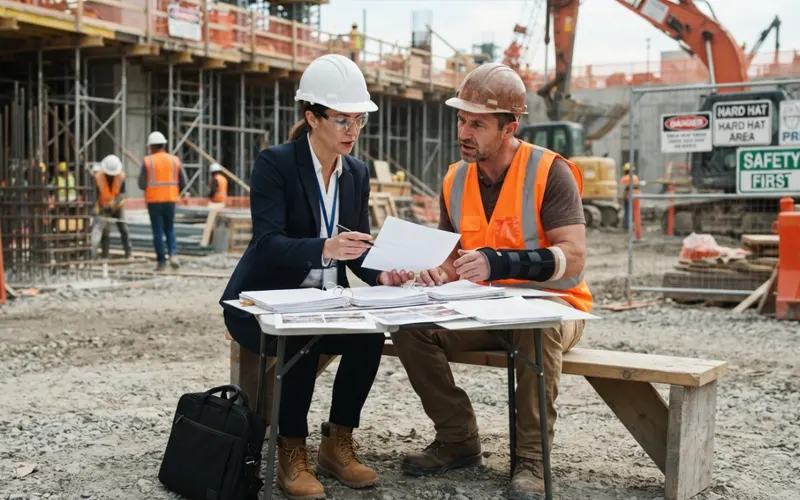
7 Things a Construction Site Injury Attorney Looks for Beyond the Accident
A construction site can look organized from a distance, yet one loose guardrail, broken tool, missing warning, or rushed decision can change a worker’s life. The visible accident is only one piece of the story. Behind it may be weeks of safety checks, equipment use, contractor decisions, and warnings that were never addressed. That is why a careful investigation must go beyond asking what happened.
It should also examine what led to the accident and who had a duty to prevent it. A construction site injury attorney may look at records, people, machines, and worksite decisions that are easy to overlook. These details can help show whether another company or person helped create the unsafe condition. This broader view can matter.
Table of Contents
Toggle1. Who Controlled the Dangerous Area?
Construction projects bring several companies together. A worker may have one employer while another contractor controls the equipment, work area, or safety system. A property owner or general contractor may also have responsibilities.
Identifying who controlled a dangerous area can show which parties matter. Useful questions include:
- Who created the hazard?
- Who knew about it?
- Who was expected to fix it?
- Who could stop unsafe work?
The answers can show that responsibility may reach beyond the injured worker’s employer.
2. Previous Safety Complaints and Warnings
A hazard rarely appears without any warning. Workers may have reported a damaged ladder, exposed wire, unstable surface, missing barrier, or unsafe practice before someone was hurt.
Those reports can become evidence. An attorney may look for emails, texts, written complaints, supervisor notes, inspection comments, or safety meeting records. Even informal warnings may help show that someone knew about a problem.
Timing matters. A warning made days or weeks before an accident can show a hazard was known. Preserving these records can help prevent details from being lost.
3. Equipment Maintenance and Inspection Records
Poorly maintained machinery can create serious risks. Cranes, forklifts, lifts, power tools, and other equipment may need regular inspections and repairs.
Maintenance records can show whether checks were completed, defects were reported, and repairs were delayed. They can help establish how long a problem existed.
The investigation should not stop with the operator. It may also examine the equipment owner, rental company, manufacturer, or maintenance provider. Records can help determine whether a defect or poor maintenance fits the evidence.
4. Contracts Between Contractors
A construction project can involve many businesses. General contractors may hire subcontractors, who may bring in additional companies for specialized work. Each agreement can assign different duties.
Contracts and work orders may help show who was responsible for:
- Site inspections
- Equipment maintenance
- Worker training
- Safety barriers
- Hazard warnings
- Supervision
These documents can help if companies later disagree about responsibility. They may show how safety duties were divided before the accident.
5. OSHA and Jobsite Safety Records
Safety records can provide another view of a jobsite. An investigation may include OSHA materials, inspection reports, training records, safety meeting notes, and notices involving unsafe practices.
Such records do not automatically prove legal responsibility. They may provide facts about safety procedures, reported problems, or repeated failures.
Training records can also matter. Records may show what instruction workers received. Comparing those records with what happened can raise questions about supervision.
6. Witness Accounts and Video Evidence
Witnesses may remember details missing from an official report. A coworker might know who gave an instruction, moved a barrier, or noticed a machine acting strangely.
Video can provide another source. Cameras, phone recordings, and photographs may show site conditions before or after an accident. Construction areas can change quickly as debris is removed or equipment is moved. Early photographs can preserve the original condition.
Save witness names and contact information promptly because memories can fade.
A construction site injury attorney may examine the circumstances surrounding the accident to better understand the factors that contributed to the injury. This can provide a clearer picture of the situation and the issues involved.
7. The Full Impact of the Injury
An investigation also needs to examine how an injury affects a person’s life. Medical records can document treatment, while employment records may show missed work and lost income.
Some injuries affect a person long after treatment. A worker may need continuing care, physical therapy, changes to daily activities, or a different job. Evidence about these effects can show the losses connected to the accident.
Useful records may include the following:
- Medical bills and treatment notes
- Pay records
- Work restrictions
- Prescription records
- Information about future treatment
Why the Investigation Should Go Further
The cause of a construction accident is not always obvious from the scene. A damaged machine may point to a maintenance problem. A missing barrier may raise questions about site control. An old safety warning may show that a hazard was known before anyone was injured.
Following these connections can create a clearer account of what happened and identify whether several parties had different responsibilities.
The Details Can Tell the Bigger Story
A construction injury investigation should not end with the accident report. Records, contracts, equipment histories, safety documents, witness accounts, and medical information can each add another piece to the story. Preserving details early can make it easier to examine the facts and determine what caused the injury. For an injured worker, looking beyond the obvious may reveal evidence that could otherwise disappear.
Frequently Asked Questions
What does a construction site injury attorney investigate after an accident?
A construction site injury attorney may investigate site conditions, equipment, safety records, contracts, witnesses, and who controlled the dangerous area.
Why is it important to look beyond the accident itself?
The accident scene may not reveal the full cause. Previous warnings, maintenance problems, or safety failures may help explain what led to the injury.
Can previous safety complaints become important evidence?
Yes. Emails, reports, messages, inspection notes, and other records may help show that a company or supervisor knew about a dangerous condition.
Why are equipment maintenance records important in a construction injury case?
Maintenance and inspection records can show whether equipment was properly checked, whether defects were reported, and whether repairs were delayed.
How can contracts between contractors affect a construction injury claim?
Contracts may identify which company was responsible for safety, equipment, supervision, inspections, or hazard warnings.
What role can OSHA and jobsite safety records play?
OSHA materials, training records, inspection reports, and safety meeting notes can provide useful information about workplace conditions and safety practices.
Why are witness statements and photos important after a construction accident?
Witnesses may remember details that official reports miss, while early photos or videos can preserve site conditions before they change.
What evidence can show the full impact of a construction site injury?
Medical records, treatment bills, work restrictions, employment records, lost-income information, and future treatment needs can help document the injury’s impact.
Tags