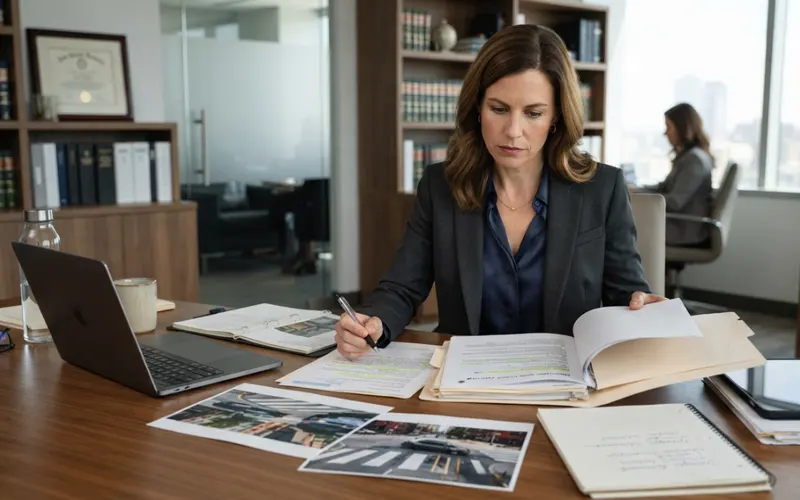
How a Pedestrian Injury Attorney Prepares a Case for Litigation Before Filing Suit
A strong legal case rarely begins with a complaint filed in court. It starts much earlier, with facts being checked, records being collected, and weak points being found before they become bigger problems. A pedestrian accident can involve traffic rules, medical records, witness statements, insurance questions, and several versions of what happened.
Each detail can affect how the claim is handled. A pedestrian injury attorney may spend significant time reviewing these details before deciding whether litigation is appropriate. Good preparation is less about rushing toward court and more about making sure the case is supported by facts. Here is what that preparation can involve.
Table of Contents
ToggleBuilding a Clear Picture of the Accident
Before any legal action moves forward, the facts surrounding the accident need to be put together in a clear way. A lawyer may review the police report, photographs of the scene, traffic camera footage, witness statements, and other available records. These materials can help create a more complete account of what happened.
The location also matters. Road design, traffic signals, crosswalks, lighting, signs, and visibility can all become part of the case. A small detail in a photograph may raise an issue that was not obvious at first. Reviewing the evidence carefully helps separate confirmed facts from assumptions.
Establishing Who May Be Responsible
Liability is rarely decided by looking at one detail alone. A case may involve questions about driver conduct, traffic signals, road conditions, visibility, or the actions of other parties.
The legal team may compare different sources of information to see whether they support the same account. For example, a police report may describe one set of facts, while a witness or video recording may provide additional details. Reviewing these sources together can help identify areas of agreement and conflict.
More than one party may also be connected to an accident. Depending on the facts, issues involving a driver, property owner, government agency, or another party may need to be reviewed. The purpose of this early work is to build a factual foundation before making decisions about litigation.
Documenting the Full Impact of the Injury
A serious injury does not always fit neatly into one medical bill. Treatment may continue over time, and the financial effects can extend beyond the first hospital visit.
Medical records can show the nature of the injuries, treatment received, and progress during recovery. Records related to work can also help document missed income or changes in a person’s ability to perform their job.
Other losses may also need supporting documents. These can include medical expenses, rehabilitation costs, transportation connected to treatment, and other accident-related expenses. Keeping these records organized gives the claim a clearer factual basis.
Testing the Case Before Going to Court
Strong preparation also means looking for problems, not only supportive evidence. A lawyer may examine arguments the opposing side could raise and compare them with the available facts.
This review can reveal missing records, unclear witness accounts, disputed facts, or questions about liability. Finding these issues early gives the legal team a chance to investigate them before filing.
Key Areas Often Reviewed
- Police and accident reports
- Medical and treatment records
- Photographs, videos, and physical evidence
- Witness information and statements
- Employment and income records
- Possible defenses raised by the other side
This process does not guarantee a particular result. It simply helps create a clearer picture of the strengths and weaknesses involved.
Preparing the Claim for Litigation
Once the main facts have been reviewed, the evidence can be organized into a usable case file. Important documents may be arranged by date, witnesses may be identified, and the facts supporting the legal claims can be reviewed.
The legal team may also consider whether additional evidence is needed. That could involve obtaining records, speaking with witnesses, reviewing available video, or examining other information connected to the accident.
Settlement discussions may also take place during this stage. Litigation preparation does not always mean a case will end with a trial. It means the claim is being prepared carefully enough for the available legal options to be considered based on the facts.
Takeaway!
Filing a lawsuit creates a formal legal process, so the work done before filing can have a major role in how a case is presented. Careful preparation helps organize the evidence, identify disputed issues, and give the legal team a better view of what the claim involves.
For an injured pedestrian, that preparation can also make the process easier to understand. A well-reviewed case is built around records, evidence, and facts rather than assumptions. For anyone considering litigation after a pedestrian accident, working with a pedestrian injury attorney can provide professional case review while leaving legal decisions to qualified counsel.
Frequently Asked Questions
1. What does a pedestrian injury attorney do before filing a lawsuit?
A pedestrian injury attorney reviews the accident evidence, medical records, witness information, and potential liability issues before deciding whether litigation is appropriate.
2. What evidence is important in a pedestrian injury case?
Important evidence may include police reports, photographs, videos, traffic records, witness statements, medical records, and employment or income documents.
3. How does an attorney determine who is responsible for a pedestrian accident?
An attorney may review driver behavior, traffic signals, road conditions, visibility, witness accounts, and other evidence to determine which parties may be responsible.
4. Why are medical records important in a pedestrian injury claim?
Medical records help document the injuries, treatment received, recovery process, and expenses connected to the accident.
5. Can more than one party be responsible for a pedestrian accident?
Yes. Depending on the circumstances, potential responsibility may involve a driver, property owner, government agency, or another party.
6. Why does an attorney look for weaknesses in a case?
Identifying weak points early allows the legal team to investigate missing evidence, disputed facts, unclear witness accounts, and possible defenses before filing.
7. Does preparing a case for litigation mean it will go to trial?
No. Litigation preparation does not necessarily mean a trial will occur. Settlement discussions may continue while the legal team prepares the case.
8. When should someone speak with a pedestrian injury attorney?
Speaking with an attorney early can help preserve evidence, organize records, evaluate potential liability, and understand the available legal options after a pedestrian accident.
Tags