Building a great outdoor space takes more than slapping down wooden boards. True outdoor design requires planning for how your family actually lives, cooks, and relaxes outside.
When you look past basic lumber, you discover layout strategies that transform an empty yard into an everyday retreat. Smart choices made early save money and keep maintenance low for years.
Defining Functional Zones For Outdoor Living
A successful layout treats your yard like an extension of your home floor plan. Separating cooking areas from quiet lounge spots creates a natural flow for gatherings. Clear walkways prevent guests from tripping over grill equipment or patio furniture.
Planning distinct areas makes entertainment seamless for large groups of friends. Hiring expert custom deck installation services allows homeowners to map out distinct zones tailored to their property size. Proper spacing around dining tables gives everyone plenty of room to move comfortably.
You can use planters or visual borders to divide spaces subtly. Simple physical cues guide guests across the deck naturally without requiring walls. Thoughtful spatial planning keeps your backyard feeling open and organized.
Selecting Long-Lasting Building Materials
Material choices directly affect how much time you spend on seasonal maintenance. Traditional wood requires regular staining and sealing to prevent rotting or warping. Synthetic options offer durability against harsh weather without constant upkeep.
Modern homeowners frequently choose composite options made from recycled materials as a low-maintenance foundation. Eco-friendly boards resist fading, splintering, and insect damage year after year. Investing in quality composite materials reduces total upkeep costs over the deck lifespan.
Fasteners and structural hardware require careful consideration during material selection. Stainless steel screws prevent ugly rust streaks from ruining your clean surface. Choosing rust-resistant hardware keeps the sub-frame sturdy for decades.
Incorporating Safety And Integrated Lighting
Proper lighting transforms an outdoor area after the sun goes down. Step lights mounted on risers prevent stumbles during evening gatherings. Low-voltage fixtures keep energy bills low and add ambient warmth.
Railing systems serve as safety barriers and visual frames for your yard. Cable railings deliver clean sightlines across your lawn, and traditional balusters add classic texture. Matching railing tones with house trim creates a cohesive architectural look.
Recessed deck lights along perimeter boards outline the shape of your platform clearly. Subtle fixtures illuminate pathways without blinding guests sitting nearby.
Investing In Lasting Outdoor Value
Industry reports peg the global composite decking and railing market at $4.25B in 2024, showing steady consumer demand. Property owners view high-quality outdoor platforms as major assets that add tangible resale value. Smart engineering choices pay off when it comes time for an appraisal.
A well-constructed platform expands your usable living square footage without room additions. Outdoor kitchens, fire tables, and dining spots create secondary living rooms under open skies. Buyers appreciate turnkey outdoor spaces that require zero immediate repairs.
Building to local code standards guarantees safety and protects your financial investment. Professional permits verify framing meets load requirements for heavy hot tubs or large crowds.
Elevating Comfort With Built-In Features
Built-in benches maximize seating capacity without bulky patio furniture clutter. Integrated storage boxes under seat cushions keep outdoor pillows dry during sudden rainstorms. Planter boxes built directly into corners add natural greenery to hardscape layouts.
Adding built-in elements improves day-to-day comfort in several practical ways:
- Custom benches eliminate the need to store extra chairs during winter months.
- Integrated planters bring colorful flowers closer to eye level along perimeter walls.
- Built-in storage benches protect expensive outdoor cushions from sudden downpours.
Fixed features turn a simple platform into a functional outdoor living space. Built-in elements maximize floor area with clean sightlines.
Shade structures like pergolas or privacy screens make outdoor spaces comfortable during hot summer afternoons. Louvered roofs allow you to adjust sunlight levels throughout the afternoon hours.
Planning Smart Drainage And Structural Support
Proper water drainage under your platform prevents wood framing from holding moisture and decaying. Sloping ground surfaces away from house foundations stops water from pooling under joists. Under-deck drainage systems capture rainwater, keeping lower patio levels dry and usable.
Sturdy post footings form the foundation of any long-lasting outdoor structure. Digging footings below the local frost line prevents ground upheaval from tilting deck posts.
Applying joist tape along the top edges of framing boards prevents water from penetrating screw holes. Simple protective measures double the lifespan of pressure-treated support beams hidden beneath deck boards.
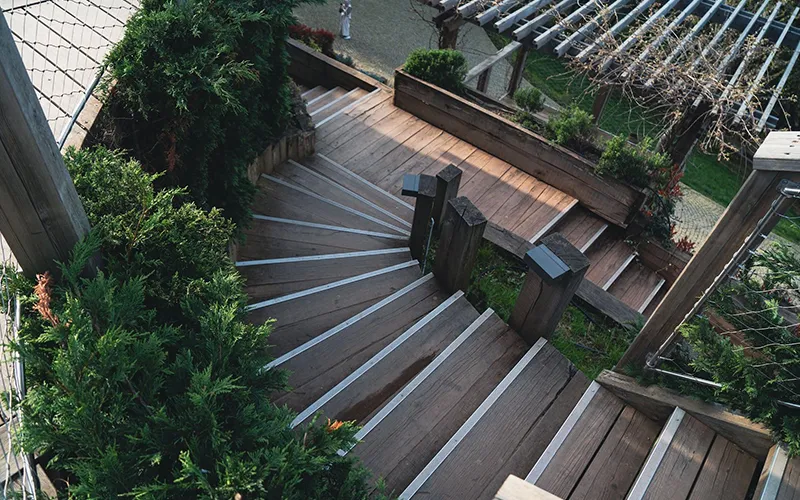
better deck design
Designing a functional outdoor platform requires balancing visual appeal with long-term durability. Focusing on layout flow, solid materials, and safety features delivers an outdoor retreat your family will enjoy for decades.
Taking time to plan structural foundations and custom details turns a simple yard into an elevated living area. Smart investments in quality construction yield lasting comfort and strong property value.
FAQs
What is a deck in a home?
A deck is an outdoor platform, usually made from wood or composite materials, used for relaxing, dining, or entertaining.
What makes a good deck design?
A good deck design combines comfortable layout, durable materials, proper lighting, safety features, and strong structural support.
What is the best material for a long-lasting deck?
Composite decking is a popular low-maintenance option, while treated wood can also provide good durability with regular care.
How can I make my deck more comfortable?
You can add built-in benches, storage, planters, shade structures, outdoor furniture, and suitable lighting.
Why is drainage important for a deck?
Good drainage prevents water from collecting around the structure, which can help reduce moisture damage and decay.
Does outdoor decking increase home value?
A well-designed and properly built outdoor living area can make a property more attractive to potential buyers and add useful living space.
What type of lighting is best for a deck?
Step lights, recessed deck lights, and low-voltage fixtures can provide useful visibility while creating a warm outdoor atmosphere.
Do I need a permit to build a deck?
Permit requirements depend on your local building codes, deck size, height, and construction details, so check with your local authority before building.