
Cold weather does not mean you have to give up your personal style. With the right clothing choices, you can stay warm, comfortable, and well dressed at the same time. Good winter dressing is mostly about choosing suitable layers, warm fabrics, useful accessories, and colors that work well together. Whether you are going to work, meeting friends, traveling, or simply spending time outside, the right outfit can make cold days much easier to handle.
Building practical cold weather outfits starts with understanding how different clothing pieces work together. A warm base layer can help control body temperature, while sweaters, jackets, coats, and accessories add protection from wind and low temperatures. The goal is not simply to wear more clothes. It is to create a balanced outfit that gives enough warmth without making movement difficult.
Start With Smart Layers
Layering is one of the easiest ways to dress for changing winter temperatures. Instead of depending on one very thick item, you can combine several lighter pieces. A basic layer can sit close to the body, a middle layer can provide insulation, and an outer layer can protect you from wind, rain, or snow.
A cotton or thermal top can work well as a first layer, while a sweater, cardigan, fleece, or sweatshirt can provide additional warmth. Your final layer might be a wool coat, puffer jacket, parka, or water-resistant jacket. This system also makes it easier to remove a layer when you move indoors.

cold weather outfits
Choose Fabrics Carefully
The material of your clothing can make a major difference during cold weather. Wool is useful because it provides warmth while remaining breathable. Fleece is lightweight and comfortable, making it suitable for casual everyday wear. Down and synthetic insulation can provide excellent warmth in jackets, while thermal fabrics are helpful as base layers.
You should also consider the weather itself. A soft wool coat may be perfect for a dry winter day, but a water-resistant outer layer can be more useful when there is rain or wet snow. Choosing fabric according to the conditions helps you stay comfortable for longer periods.
Everyday Women’s Styling
When planning cold weather outfits for women, comfort and proportion are both important. Oversized sweaters can look attractive with slim trousers or straight jeans, while a fitted top can balance a wider coat or relaxed trousers. Long coats can create a clean silhouette, while shorter jackets are useful for active days.
Footwear should match the weather as well as the outfit. Boots with good grip are useful on slippery surfaces, while insulated footwear is better for very low temperatures. If the weather is only mildly cold, leather or suede-style boots can provide enough coverage without making the outfit feel too heavy.
Easy Casual Combinations
For daily activities, casual cold weather outfits can be built around comfortable basics. A sweatshirt with relaxed jeans and sneakers may work for a mild winter day, while a hoodie under a padded jacket offers more protection when temperatures fall. A knitted beanie can add warmth without requiring a major change to the outfit.
For errands or casual meetings, try combining a neutral sweater with dark jeans, a warm jacket, and simple boots. The look remains relaxed but still appears intentional. Small details such as rolled cuffs, a matching scarf, or a clean pair of shoes can make basic clothing look more stylish.
The Cozy Baddie Style
For people who enjoy a confident and fashionable winter aesthetic, cozy baddie cold weather outfits can combine fitted pieces with oversized outerwear. A cropped sweater, high-waisted trousers, long coat, and chunky boots can create a strong silhouette while still providing useful coverage.
Another option is to combine monochrome clothing with statement footwear or a large coat. Black, charcoal, chocolate brown, and deep burgundy work particularly well for this type of look. Sunglasses, a structured bag, or simple jewelry can add personality without making the outfit uncomfortable.

cold weather outfits
Cute Options for Women
Creating cute cold weather outfits for women does not require buying an entirely new wardrobe. Existing pieces can often be combined in new ways. For example, a knitted dress can be worn with thick tights, boots, and a long coat. A sweater vest can also be layered over a shirt and paired with trousers.
Accessories are especially useful when creating a cute winter appearance. A soft scarf, knitted hat, gloves, or small crossbody bag can change the overall feel of a basic outfit. The key is to keep the accessories coordinated rather than adding too many different colors or patterns.
Dressing for Different Body Shapes
Good winter styling should focus on comfort rather than strict fashion rules. Plus size cold weather outfits can look polished when the clothing has enough room for movement and layering. Longline coats, open cardigans, straight-leg trousers, wide-leg jeans, and structured jackets can all work well depending on personal preference.
Avoid choosing clothing simply because it is labeled as oversized if it restricts movement or creates unwanted bulk. A well-fitting base layer underneath a comfortable outer coat can provide warmth while maintaining a balanced shape. Belts can also be used with certain coats to create definition around the waist.
Winter Style and Simple Looks for Men
When creating cold weather outfits men can use simple combinations that provide warmth without looking overly complicated. A knitted sweater over a shirt, paired with chinos or dark denim, is suitable for many everyday situations. For colder conditions, adding a wool coat or insulated jacket provides another level of protection.
For cold weather outfits for men, the most useful approach is to build around versatile basics. A dark pair of jeans can work with sweaters, flannel shirts, hoodies, and different jackets. Chinos can create a slightly smarter appearance when combined with a crew-neck sweater and boots. Men can also use accessories such as leather or insulated gloves, wool scarves, beanies, and warm socks to improve both comfort and appearance.
For professional settings, a wool overcoat can be placed over a sweater and trousers for a polished look. For casual situations, a puffer jacket with jeans and winter boots may be more practical. The best combination depends on the temperature, activity, and amount of time spent outdoors.
Building a Stylish Wardrobe
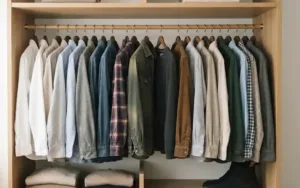
A few carefully selected pieces can create many stylish cold weather outfits throughout the season. Instead of buying several similar jackets, consider having different types of outerwear for different situations. A casual insulated jacket, a smart coat, and a weather-resistant option can cover most everyday needs.
It is also useful to select clothing that works together. If your sweaters, trousers, coats, and shoes share a similar color range, you will have more possible combinations. This saves time when getting dressed and reduces the need to purchase new items every time the weather changes.
Adapting to Mild Weather
Not every cold day requires heavy winter clothing. Spring cold weather outfits need to handle temperatures that can change throughout the day. Lightweight sweaters, denim jackets, trench coats, long-sleeve shirts, and thin scarves can be useful during cooler spring mornings.
Layering is especially valuable in spring because temperatures may rise after sunrise. You can start with a sweater and light jacket and remove the outer layer later. Lighter colors, softer fabrics, and less bulky footwear can also make the outfit feel more appropriate for the season.
New York Winter Style and Comfort
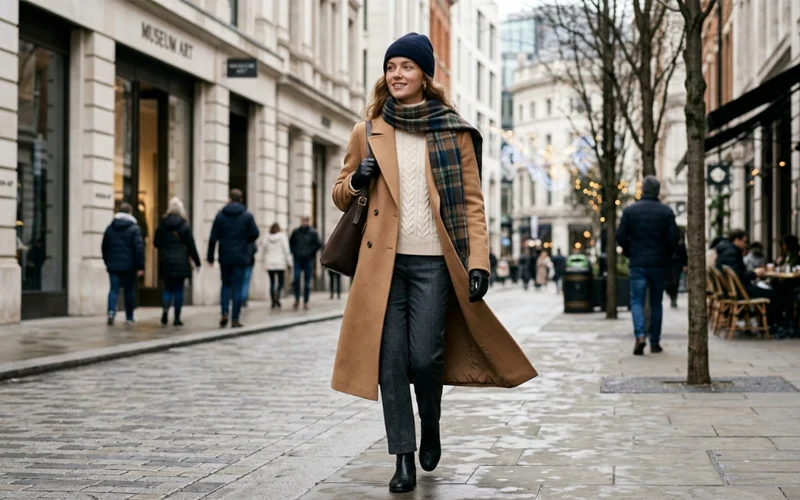
City winters can be challenging because people often walk, use public transportation, and spend time outdoors between buildings. New york cold weather outfits should therefore balance warmth, movement, and practicality. A long insulated coat, warm trousers, boots with good traction, gloves, and a scarf can provide useful protection without making the outfit feel overly bulky.
For nyc cold weather outfits, layering is especially helpful when moving between freezing streets and heated indoor spaces. A thermal or long-sleeve base, medium-weight sweater, and warm coat create a flexible combination. Waterproof or water-resistant boots can also be useful during wet or snowy conditions.
City style does not have to be uncomfortable. A neutral coat with a colorful scarf, clean boots, and well-fitted trousers can create a modern appearance while remaining practical. Wind can make streets feel much colder, so covering the neck and hands is important. A coat with secure closures and useful pockets can also make daily commuting easier.

cold weather outfits
Key Clothing Choices
The table below provides a quick guide to common winter clothing pieces and when they can be useful.
| Clothing Piece | Main Benefit | Best For |
| Thermal top | Adds an extra warm layer | Very cold days |
| Wool sweater | Warm and breathable | Everyday winter wear |
| Fleece jacket | Lightweight warmth | Casual activities |
| Puffer jacket | Strong insulation | Cold outdoor conditions |
| Wool coat | Warm and polished appearance | Work and formal occasions |
| Scarf | Protects the neck | Windy and cold weather |
| Beanie | Helps keep the head warm | Outdoor winter activities |
| Insulated boots | Warmth and protection | Snow and freezing conditions |
| Gloves | Protects hands from cold | Outdoor commuting |
| Thick socks | Adds warmth around the feet | Cold-weather footwear |
Balance Warmth and Comfort
A common mistake is dressing according to appearance alone. A beautiful coat is not very useful if it leaves you cold after ten minutes outside. Similarly, extremely thick layers can make walking, sitting, or traveling uncomfortable.
Think about what you will actually be doing. Someone walking to work needs different protection from someone driving directly from one heated building to another. Outdoor activities require more attention to insulation and weather resistance, while indoor activities may call for lighter layers that can be removed easily.
Use Accessories Wisely
Accessories can be both fashionable and functional. Scarves protect the neck, gloves protect the hands, and hats help reduce heat loss around the head. Warm socks are equally important because cold feet can make the entire body feel uncomfortable.
Try to coordinate accessories with the rest of the outfit. Matching the scarf with your shoes or bag can create a connected appearance. You can also use accessories to introduce a new texture, such as chunky knitting with a smooth wool coat.
Avoid Common Winter Mistakes
One mistake is wearing too many layers without considering fabric weight. Several bulky items can restrict movement and make indoor spaces uncomfortable. Another mistake is ignoring footwear. Regular sneakers may not provide enough grip or insulation when streets become wet, icy, or snowy.
It is also important to avoid wearing clothing that is too tight underneath an outer layer. Compression can reduce comfort and leave little space for insulating air. A comfortable base layer with enough room for a middle layer is often a better choice.
Conclusion
Creating great cold weather outfits is about more than following seasonal trends. The best outfits combine warmth, comfort, movement, and personal style. Layering makes it easier to adjust to changing temperatures, while suitable fabrics and footwear provide protection when conditions become difficult.
Whether you prefer simple casual clothing, polished office looks, cozy oversized layers, or modern city fashion, there are many ways to dress well during colder months. Focus on useful basics, choose colors that work together, and use accessories to add personality. With a thoughtful approach, even the coldest days can become an opportunity to create comfortable and attractive outfits.
FAQs
- What Makes Cold Weather Outfits Comfortable?
Comfort comes from using suitable layers, breathable fabrics, proper sizing, and weather-appropriate footwear. Clothing should keep you warm without restricting normal movement.
- How Many Layers Should Cold Weather Outfits Have?
There is no fixed number because it depends on the temperature and activity. A base layer, insulating middle layer, and protective outer layer are usually a practical starting point.
- Which Fabrics Work Best for Cold Weather Outfits?
Wool, fleece, thermal materials, and insulated fabrics are useful choices. The best fabric depends on temperature, moisture, wind, and how active you will be.
- How Can Cold Weather Outfits Look Stylish and Warm?
Use simple layers with balanced proportions. A well-fitted sweater, suitable trousers, a good coat, and coordinated accessories can create a polished appearance without sacrificing warmth.
- Are Boots Necessary for Cold Weather Outfits?
Not always. Boots are particularly useful when temperatures are low or the ground is wet, snowy, or slippery. In mild weather, other closed-toe footwear may be sufficient.
- How Can Cold Weather Outfits Handle Changing Temperatures?
Layering is the easiest solution. Wear pieces that can be removed or added throughout the day, especially when moving between cold outdoor areas and heated indoor spaces.
- Which Colors Look Best in Cold Weather Outfits?
Black, gray, navy, beige, cream, brown, and other neutral shades are easy to combine. Deeper colors can also add seasonal character without making an outfit difficult to coordinate.
- How Can You Create More Cold Weather Outfits Without Shopping?
Start by combining existing pieces in different ways. Change your outer layer, footwear, scarf, bag, or sweater while keeping the basic clothing the same. This can create many different looks from a relatively small wardrobe.