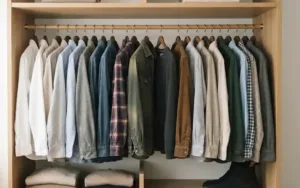

How to Fold Clothes Without Making Deep Creases
Knowing how to fold clothes properly can make a big difference when you want your wardrobe, drawers, or luggage to stay neat. Clothes that are folded in a hurry often develop deep lines, hard creases, and uneven shapes. This can be especially frustrating when you need to wear something soon after taking it out of a drawer or suitcase. A little care while folding can help clothes keep a cleaner appearance and reduce the need for ironing.
The way you fold clothing also depends on the type of fabric, the size of the garment, and where you plan to keep it. A cotton T-shirt can usually handle a simple fold, while delicate shirts, dresses, linen pieces, and other fabrics may need more care. When packing for a trip, the method can also change because you want to use luggage space wisely without crushing your clothes.
Learning how to fold clothes without wrinkles is not about making every fold perfectly flat. It is more about avoiding unnecessary pressure, sharp folds, and heavy piles. With a few simple techniques, you can organize everyday clothes, prepare a suitcase, and keep garments looking fresh for longer.
Table of Contents
TogglePrepare Clothes Before Folding
Before learning different folding methods, it helps to prepare your clothes properly. Clothes should be clean and completely dry before they are folded. Folding damp clothing can trap moisture and may lead to an unpleasant smell. It can also make some fabrics more difficult to smooth later.
Place the garment on a clean, flat surface. A bed, table, or large desk can work well. Smooth the fabric gently with your hands before making any folds. You do not need to press hard. Simply removing obvious bumps and twists can make the final fold much neater.
If the clothing has buttons, close the main buttons before folding. For shirts and jackets, this can help the garment keep its shape. Zippers should also be closed when possible. However, avoid pulling delicate fabrics too tightly because excessive tension can damage the material.
Choose the Right Folding Method
There is no single method that works perfectly for every garment. The best approach depends on the clothing and where you are storing it. T-shirts, trousers, sweaters, and shirts all have slightly different shapes, so forcing every item into the same fold may create unnecessary creases.
For everyday storage, a simple flat fold can work well. For travel, you may prefer rolling or a compact fold. If you are using packing cubes, smaller and more consistent folds can make the available space easier to use.
The important thing is to avoid folding clothing again and again in the same narrow area. Repeated sharp folds can create noticeable lines, especially in materials that wrinkle easily.
How to Fold T-Shirts Neatly
T-shirts are among the easiest clothes to fold, but they can still become wrinkled when folded too tightly. Start by laying the shirt flat with the front facing upward. Smooth the fabric with your hands and straighten the sleeves.
Fold one side toward the middle and bring the sleeve back neatly. Repeat the same process on the other side. You should now have a long, rectangular shape. Fold the bottom section upward, depending on the size of the shirt and the space where you plan to store it.
Avoid pressing down heavily on the shirt after folding. A light, even fold is usually enough. If you are storing several T-shirts together, keep them in a stack that is not too high. Excessive weight on the bottom shirts can create stronger creases.
This simple method is useful when learning how to fold clothes fast and neat because it does not require complicated movements. Once you become familiar with it, you can fold several shirts in a short amount of time.
Folding Shirts Without Deep Creases
Button-up shirts require a little more attention because their collars and sleeves can become misshapen. Lay the shirt face down on a flat surface and smooth the back. Buttoning the shirt can help prevent it from shifting during the folding process.
Fold one sleeve inward along the natural shoulder line. Then fold the other sleeve in the same way. Keep the sides as straight as possible without stretching the fabric. Fold the lower part of the shirt upward once or twice, depending on the size.
For shirts that wrinkle easily, avoid making very narrow folds. A slightly larger fold can distribute pressure across more fabric and may help reduce strong crease lines.
If you are preparing formal shirts for a trip, placing a thin layer of soft clothing between folded garments can also reduce direct pressure. Do not overfill the suitcase because compression can create wrinkles even when the folding method is good.
The Best Way to Fold Pants and Jeans Neatly
Pants and jeans are thicker than many other garments, so they can take up considerable space. Lay the pants flat and straighten the legs. Fold them lengthwise by bringing one leg over the other. Make sure the waistband and legs are aligned.
You can then fold the pants from the bottom upward. For everyday storage, you can make one or two folds depending on the size of the drawer or shelf. For luggage, a compact fold can help use space more efficiently.
Jeans usually tolerate folding well because denim is a strong fabric. However, keeping heavy jeans at the bottom of a suitcase can place pressure on lighter clothing underneath. If you are packing several pairs, spread them through the luggage rather than creating one very heavy stack.
Best Folding Methods for Packing Clothes Neatly
When preparing for a trip, the main goal is to keep your clothes organized while making good use of the available space. Before packing, decide which garments you are likely to need first. This prevents you from opening and disturbing the entire suitcase during your journey.
For how to fold clothes for packing, begin by separating garments according to type. Keep shirts together, bottoms together, and delicate pieces separate. Smooth each item before folding it and avoid creating unnecessary layers.
Do not pack a suitcase so tightly that you have to force the zipper closed. Compression may seem useful because it creates more room, but too much pressure can leave clothes with deep wrinkles.
A suitcase should have enough room for garments to sit naturally. When clothing is packed too tightly, even carefully folded pieces can come out looking crushed.
How to Fold Clothes in a Suitcase
Learning how to fold clothes in a suitcase can make travel preparation much easier. Start with larger and heavier pieces, such as jeans or sweaters, and place them in suitable areas of the suitcase. Then add lighter garments around them.
Try to keep the suitcase balanced instead of creating one large pile in the center. Smaller items can fit into open spaces around larger garments. However, avoid forcing clothing into tiny gaps if doing so causes strong creases.
If your suitcase has compression straps, use them carefully. They can keep clothing in place, but tightening them too much may press your clothes together and increase wrinkles.
Using Packing Cubes
Packing cubes can make it easier to organize clothing while traveling. They divide the suitcase into smaller sections, which can prevent garments from moving around too much.
If you are learning how to fold clothes for packing cubes, choose a folding size that matches the cube. Folding each garment into a similar shape can help you use the space more effectively.
Do not overfill the cube. A packing cube works best when clothing fits comfortably inside it. If you have to push down hard to close the zipper, remove a few items or use another cube.
Packing cubes are also helpful when you want to separate outfits. For example, you can keep casual clothing in one cube and sleepwear in another. This makes it easier to find specific items without disturbing the rest of your suitcase.
Rolling vs Folding Clothes
Rolling clothes is another popular travel method. It can work particularly well for casual T-shirts, lightweight tops, and some trousers. Rolling creates a compact shape and can help you use certain areas of a suitcase efficiently.
However, rolling does not automatically mean clothes will never wrinkle. If the roll is too tight or the suitcase is overloaded, clothing can still develop creases.
Traditional folding may be more suitable for structured shirts, jackets, and delicate garments. The best method depends on the material and the type of clothing.
For many travelers, using both methods is practical. Roll casual pieces that can handle it and fold garments that need more structure and protection.
How to Fold Clothes Quickly
If you want to know how to fold clothes quickly, focus on consistency. You do not need to make every garment perfectly identical. What matters is that the folds are neat enough for your storage space.
For everyday clothes, use a simple rectangular fold. Keep the size similar between garments so they stack easily. When you use drawers, folding clothes to a consistent width can make the space easier to manage.
You can also fold clothes immediately after taking them from the dryer or drying rack. When fabrics are still warm and have not been left in a messy pile, they may be easier to smooth and fold.
The Military Style Folding Method
The military-style method is often discussed as a compact way to organize clothing. It usually involves creating a tight, compact shape that is useful when space is limited.
When learning how to fold clothes military style, it is important to understand that the technique is mainly about compact organization rather than guaranteeing wrinkle-free results. A very tight fold can sometimes create stronger lines in certain fabrics.
This method can be useful for T-shirts, casual tops, and other everyday clothing. For formal shirts or delicate materials, a gentler traditional fold may be more suitable.
Simple Ways to Fold and Organize Clothes in a Wardrobe
A wardrobe becomes easier to manage when clothes are folded according to the available space. Shelves are usually suitable for sweaters, T-shirts, jeans, and other garments that can hold their shape when folded.
When learning how to fold clothes in wardrobe spaces, consider the height of each shelf. Very tall piles may fall over when you remove one item. Smaller stacks are often easier to maintain.
You can also group clothes by type or purpose. Keeping everyday T-shirts together and special occasion clothing in another area makes it easier to find what you need.
Avoid placing delicate garments at the bottom of heavy stacks. If a piece wrinkles easily, give it more space or consider hanging it instead.
Common Folding Mistakes
One common mistake is folding clothes immediately after taking them from a messy pile without smoothing them. This can trap existing wrinkles inside the fold.
Another mistake is making piles that are too high. When you place many garments on top of each other, the weight can create pressure on the clothes at the bottom.
Overpacking is another problem. Whether you are using a wardrobe drawer or suitcase, forcing too many garments into one space can cause unnecessary wrinkles.
It is also important not to fold damp clothes. Make sure clothing is fully dry before storing or packing it. This helps keep fabrics fresh and reduces the chance of unwanted odors.
How to Keep Folded Clothes Looking Fresh
Good folding is only one part of clothing care. Where and how you store the garments also matters. Keep wardrobes and drawers clean and avoid allowing them to become overcrowded.
Try to remove clothes from storage gently rather than pulling one item out from the middle of a large stack. If you regularly wear certain pieces, keep them in an easily accessible area.
For travel, unpack clothing after reaching your destination. Hanging garments can allow some light wrinkles to relax naturally. If a garment still has creases, a steamer or suitable ironing method can help, depending on the fabric’s care instructions.
Final Thoughts
Learning how to fold clothes properly can help you keep your wardrobe organized, use storage space more effectively, and reduce unnecessary wrinkles. The best method depends on the clothing, fabric, storage area, and whether you are preparing for everyday use or travel.
For regular storage, simple and consistent folds are usually enough. When packing, focus on smooth folds, balanced luggage, and avoiding excessive pressure. Packing cubes can help with organization, while rolling may work well for some casual garments.
Most importantly, do not try to force every type of clothing into the same folding method. Delicate and structured garments often need more care, while everyday T-shirts and jeans can handle simpler techniques. With a little practice, you can fold clothes quickly, keep them neat, and avoid the deep creases that make freshly washed clothing look untidy.
Frequently Asked Questions
1. How do you fold clothes without wrinkles?
To fold clothes without wrinkles, lay each garment flat and smooth the fabric before folding. Use broad, gentle folds instead of creating many small or sharp creases. Avoid pressing folded clothes under heavy piles and do not overfill drawers or suitcases.
2. What is the best way to fold clothes for packing?
The best way to fold clothes for packing is to smooth each garment first and use a consistent fold that fits your suitcase. Place heavier clothing where it will not crush delicate pieces, and avoid overpacking. Packing cubes can also help keep folded clothes organized.
3. Is it better to roll or fold clothes for travel?
Rolling can work well for T-shirts, lightweight tops, and casual clothing because it can make good use of suitcase space. Folding is often better for shirts, jackets, and delicate garments that need more structure. Using both methods can be practical when packing different types of clothing.
4. How do you fold clothes to save space in a suitcase?
To save space in a suitcase, fold clothes into compact, consistent shapes and use open areas around larger garments. You can also roll suitable casual clothing or use packing cubes. Avoid making the suitcase too full because excessive compression can cause wrinkles.
5. How do you fold clothes so they do not wrinkle?
Smooth the garment before folding and avoid tight folds that put too much pressure on the fabric. Keep wrinkle-prone clothing near the top of a suitcase or in a less crowded part of a drawer. Proper storage is just as important as the folding technique.
6. What is the military style of folding clothes?
Military-style folding is a compact folding technique commonly used to make clothing easier to organize in limited space. It can work well for T-shirts and other casual garments. However, folding clothes very tightly can create creases in some fabrics.
7. How do you fold clothes quickly and neatly?
To fold clothes quickly and neatly, sort similar garments together and use the same basic folding method for each type. Smooth the clothing, fold the sides evenly, and create similar-sized shapes. With practice, this routine can make folding laundry much faster.
8. How should clothes be folded in a wardrobe?
Clothes should be folded according to the available shelf or drawer space, with similar garments kept together. Avoid making very tall piles because they can become difficult to manage. Delicate or wrinkle-prone clothing may be better stored with more space or hung instead.
Tags