Finding the right hat size is important for both comfort and appearance. A hat that is too tight can leave pressure around the forehead, while a loose one may move around or fall off during normal activities. Fortunately, getting the correct measurement does not require special equipment or complicated calculations. With a simple measuring tape and a few minutes, you can determine the size that works best for most types of hats.
Knowing how to measure hat size also makes online shopping easier because you can compare your head measurement with the sizing chart provided by a hat manufacturer. This is especially useful when buying fitted hats, cowboy hats, baseball caps, or hats for children.
Why the Right Size Matters
A properly sized hat should feel secure without creating uncomfortable pressure. The band should rest comfortably around the head, and there should not be a large gap between the hat and your head. A good fit also helps the hat maintain its intended shape and prevents it from slipping when you walk, bend down, or spend time outdoors.
Hat sizing can vary between manufacturers, so relying only on labels such as small, medium, or large is not always enough. Measuring your head gives you a more reliable starting point.
What You Need
The easiest tool for measuring your head is a flexible fabric measuring tape. It should be soft enough to follow the natural curve of your head without pulling tightly.
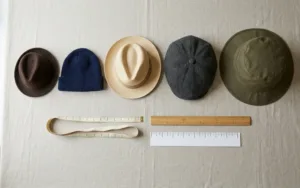
If you do not have one, you can use a piece of string, ribbon, or even a strip of paper. You will also need a ruler to measure the length afterward. Try to measure in front of a mirror if possible, especially when doing it for the first time.
How to Measure Hat Size With Tape Measure
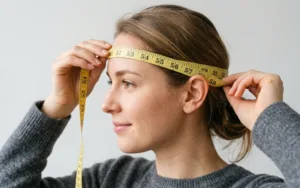
Start by placing the measuring tape around the widest part of your head. Position it approximately one finger above your eyebrows and keep it above the tops of your ears. The tape should travel around the back of your head at the point where a hat normally sits.
Keep the tape level as it goes around your head. Do not pull it tightly against your skin because this can produce a measurement that is smaller than your comfortable hat size. At the same time, avoid leaving the tape loose.
how to measure hat size
Take the measurement in inches or centimeters. Repeat it two or three times to make sure you get a consistent result. If your measurements are slightly different, use the largest comfortable measurement rather than choosing a size that may feel tight.
Measuring for Different People
Head shape and size can differ considerably between individuals, so the same hat size should not automatically be used for everyone. Measuring the actual wearer is the best approach.
When learning how to measure hat size for women, use the same basic method used for any adult. Hair can affect the result, particularly if it is thick or styled with volume. For the most practical measurement, keep the hair as close to its normal wearing position as possible and avoid pulling the tape over a large hairstyle.
For men, the process is also straightforward. To understand how to measure hat size men can use comfortably, place the tape around the head where the hat band will sit. Facial hair does not affect the head measurement, but hairstyles and very thick hair can slightly change the way a hat feels.
Children need a little more attention because they are still growing. When checking how to measure hat size for kids, measure the child’s head directly rather than choosing a size based only on age. Leave enough room for comfortable movement without making the hat excessively loose.
Understanding Hat Measurements
Hat sizes are commonly shown using inches, centimeters, or traditional numerical sizing systems. Because different manufacturers may use slightly different conversions, always compare your measurement with the seller’s own chart before purchasing.
| Head Circumference | Approx. Inches | Approx. Hat Size | General Fit |
| 52 cm | 20.5 in | 6 1/2 | Small |
| 54 cm | 21.3 in | 6 3/4 | Small |
| 56 cm | 22.0 in | 7 | Medium |
| 58 cm | 22.8 in | 7 1/4 | Large |
| 60 cm | 23.6 in | 7 1/2 | Large |
| 62 cm | 24.4 in | 7 3/4 | Extra Large |
| 64 cm | 25.2 in | 8 | Extra Large |
These values are general references rather than universal sizing rules. A brand’s own sizing chart should always take priority.
how to measure hat size
Choosing a Fitted Style
Fitted hats are designed to match a specific head circumference rather than relying on an adjustable closure. This makes accurate measuring particularly important.
If you are wondering how to measure hat size fitted styles, measure the head carefully and compare the result with the exact fitted-hat chart. If your measurement falls between two available sizes, consider the manufacturer’s recommendation. Some hats are designed to have a closer fit, while others allow slightly more room.
The same approach applies when learning how to measure hat size for fitted hats. Avoid rounding your measurement too aggressively because even a small difference can affect how a fitted hat feels.
Baseball Caps
Baseball caps are often easier to fit because many designs include adjustable closures. However, measuring your head can still help you choose the right starting size.
For people wondering how to measure hat size for baseball cap styles, place the tape where the cap’s sweatband will rest. This gives you a useful measurement even if the cap has a buckle, strap, or snap closure. An accurate measurement can also help you decide whether a structured or unstructured cap will be more comfortable.
Snapback Styles
Snapback caps provide considerable flexibility because their rear closure can be adjusted. Even so, measuring your head can help you understand how much adjustment you may need.
To learn how to measure hat size with snapback caps, wrap the tape around the same area where the cap will sit. You do not need to measure the plastic closure itself. Your head circumference is the important measurement because the adjustable back is designed to accommodate a range of sizes.

how to measure hat size
Cowboy Hats
Cowboy hats can have a different feel from baseball caps because their shape and crown structure affect how they sit on the head. A properly fitted cowboy hat should remain secure without creating excessive pressure.
When considering how to measure hat size for cowboy hat styles, measure around the head at the position where you normally want the hat to sit. Keep the tape level and comfortably snug. Because cowboy hats often have a defined sweatband, your measurement should represent the area that will actually contact that band.
It is also worth checking the manufacturer’s sizing information because western hat brands may use their own conversion charts.
Measuring Without a Tape
A missing measuring tape does not mean you have to guess your size. You can use a non-stretch piece of string, ribbon, shoelace, or narrow strip of paper.
For how to measure hat size without tape, wrap the material around your head at the correct position and mark the point where the two ends meet. Lay it flat afterward and measure its length with a ruler. If you use paper, make sure it does not bend or stretch during the process.
String can be particularly useful because it follows the shape of the head easily. However, make sure it is not elastic, as stretching can produce an inaccurate result.
Using Centimeters
Centimeters are often convenient when buying hats online because many modern sizing charts use them directly. They can also make small differences easier to identify.
If you are learning how to measure hat size in cm, simply place the measuring tape around your head and record the circumference in centimeters. For example, if the tape shows 57 cm, use 57 cm when comparing your measurement with a manufacturer’s chart.
There is no need to convert the measurement into inches unless the store specifically provides its sizing information in inches. Keeping the original measurement can reduce conversion mistakes.
Common Measuring Mistakes
One common mistake is placing the tape too high on the forehead. This measures a smaller part of the head and may lead to a hat that feels tight. The tape should follow the area where the hat’s band will normally sit.
Another problem is pulling the tape too tightly. A measurement should represent a comfortable fit rather than the smallest possible circumference.
Measuring over bulky hairstyles can also create an inaccurate result. If you regularly wear your hair in a particular style, consider how you will normally wear the hat and measure accordingly.
It is also important not to assume that every brand uses exactly the same sizing system. A size 7 from one manufacturer may feel slightly different from a size 7 elsewhere. Always check the individual product’s measurements.
Getting a Better Fit
After taking your measurement, think about how you want the hat to feel. Some people prefer a secure fit that stays firmly in place, while others like a little extra room. Your intended activity can also matter. A hat for outdoor activities may need to stay more securely on the head than a loose fashion hat worn occasionally.
If the hat has an adjustable band, a slightly flexible size can be easier to manage. For fitted designs, accuracy is more important because there is little or no room for adjustment.
If you already own a comfortable hat, you can also compare its internal circumference with your new measurement. This can provide another useful reference, although the shape and construction of different hats may affect how they fit.
When Your Measurement Falls Between Sizes
Sometimes your measurement will sit directly between two sizes. In that situation, do not automatically choose the smaller option. Check the manufacturer’s recommendation and consider whether the hat can be adjusted.
For fitted hats, the larger option may sometimes be more comfortable if the material has limited flexibility. For adjustable caps, the difference may be less important because the closure provides additional fitting room.
The hat’s material can also influence the final feel. Natural fibers, woven materials, felt, and synthetic fabrics can behave differently over time, so product-specific sizing information remains valuable.
Final Thoughts
Getting a comfortable hat starts with an accurate head measurement. The process is simple: place a flexible tape around the widest comfortable area of your head, keep it level, record the circumference, and compare it with the manufacturer’s sizing chart.
Whether you are buying a fitted hat, baseball cap, snapback, cowboy hat, or a child’s hat, measuring first can save you from choosing the wrong size. Taking a few extra minutes before purchasing can make a major difference in comfort, appearance, and how securely the hat stays in place.
FAQs
- How to measure hat size accurately at home?
Use a soft measuring tape and wrap it around your head where the hat normally sits, usually slightly above the eyebrows and ears. Keep the tape level and comfortably snug without pulling it tightly. Take the measurement two or three times and use the most consistent result.
- How to measure hat size without a measuring tape?
You can use a piece of non-stretch string, ribbon, or paper. Wrap it around your head at the normal hat position and mark where the ends meet. Then lay it flat and measure the marked length with a ruler. This gives you your head circumference.
- How to measure hat size in inches and centimeters?
Measure the circumference of your head with a flexible tape and record the result. If you get the measurement in centimeters, you can convert it to inches by dividing the centimeter value by 2.54. Many online hat stores provide both measurements, making comparison easier.
- How to measure hat size for the best fit?
The measurement should be taken around the widest comfortable part of your head, following the area where the hat band will rest. Avoid making the tape too tight or too loose. Checking the measurement more than once can help prevent sizing errors.
- How to measure hat size if you are between two sizes?
Take your measurement again to confirm the result, then compare it with the manufacturer’s sizing chart. If you are still between sizes, consider the hat’s adjustment system and material. An adjustable design usually gives you more flexibility than a fitted style.
- Does head shape affect how a hat fits?
Yes. Two people can have the same head circumference but experience different fits because their heads may have different shapes. Crown height, hat construction, and the shape of the sweatband can also influence comfort.
- How much room should a properly fitted hat have?
A well-fitting hat should feel secure without creating pressure around the forehead or sides of the head. It should not move excessively when you walk, but it also should not leave painful marks after wearing it for a while.
- How often should you check your hat measurement?
Adults generally do not need to measure frequently unless their fit preferences change or they are buying a different style. For growing children, checking the measurement before purchasing a new fitted hat is more useful because head size can change over time.