Building a Timeless Diamond Jewelry Collection: From Engagement Rings to Statement Pieces
Creating a curated diamond jewelry collection requires both passion and strategy. Whether you’re just beginning your journey into fine jewelry ownership or expanding an existing collection, understanding which pieces offer lasting value and versatility is essential. Diamond jewelry represents more than mere adornment—it embodies personal milestones, investment potential, and the enduring appeal of craftsmanship that transcends generations.
The most successful jewelry collections balance sentimentality with practicality, incorporating pieces that serve multiple occasions while maintaining their aesthetic and monetary value over time. This approach ensures that each acquisition contributes meaningfully to your overall collection rather than becoming an isolated purchase that rarely sees the light of day.
Table of Contents
ToggleUnderstanding Diamond Jewelry as an Investment
Diamond jewelry occupies a unique position in the world of personal assets. Unlike many luxury goods that depreciate rapidly, well-chosen diamond pieces often maintain or appreciate in value, particularly those featuring exceptional stones or coming from prestigious makers. The key lies in understanding quality markers: cut, clarity, color, and carat weight all influence both the immediate beauty and long-term value of your pieces.
When building your collection, prioritize pieces that feature high-quality diamonds set in durable precious metals. While trends come and go, classic designs with superior craftsmanship never lose their appeal. This principle applies whether you’re selecting your first significant piece or adding to an established collection.
The Foundation: Starting with Engagement Rings
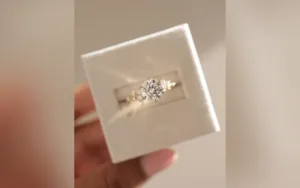
For many collectors, an engagement ring serves as the cornerstone of their diamond jewelry collection. This piece typically represents the largest single diamond investment and sets the tone for future acquisitions. The engagement ring decision involves balancing personal style preferences with practical considerations like daily wearability and maintenance requirements. For comprehensive guidance on selecting this foundational piece, resources like everything to know about engagement rings provide valuable insights into the selection process.
Beyond the traditional retail market, alternative acquisition channels offer unique opportunities for discerning collectors. Estate sales, private collections, and specialized venues can yield exceptional pieces with provenance and character that new jewelry cannot replicate.
Exploring Auction Options for Unique Finds
The auction market presents compelling opportunities for collectors seeking distinctive pieces or favorable pricing on high-quality diamonds. Major auction houses regularly feature exceptional jewelry, from vintage designs to contemporary creations, often at valuations below retail equivalents. Understanding how to buy an engagement ring at auction opens doors to pieces with unique histories and potentially significant value propositions.
Auction purchases require additional due diligence compared to retail transactions. Thoroughly examining condition reports, understanding grading certificates, and establishing firm budget limits protects against overpaying or acquiring pieces requiring costly restoration. However, for collectors willing to invest time in research, auctions remain an excellent source of exceptional jewelry.
Essential Statement Pieces for Every Collection
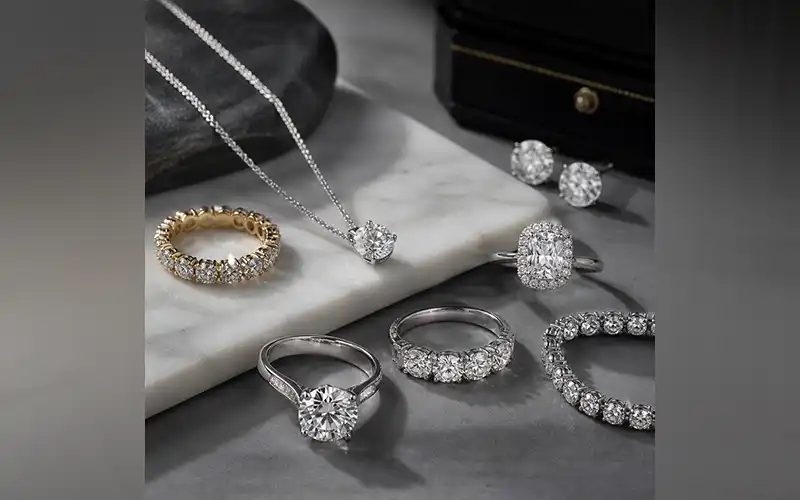
Once your collection’s foundation is established, expanding into versatile statement pieces enhances both your options and your jewelry’s overall impact. Tennis necklaces represent one of the most enduringly popular categories for good reason—they offer remarkable versatility while making an undeniable visual statement. A gold diamond tennis necklace transitions seamlessly from professional settings to evening events, providing consistent elegance regardless of context. The continuous line of diamonds creates a luxurious aesthetic without appearing ostentatious, making it appropriate for virtually any occasion requiring polished presentation.
When selecting a tennis necklace, consider how it complements your existing pieces. The metal choice should harmonize with your engagement ring and other frequently worn jewelry, creating visual coherence across your collection. Length also matters significantly—shorter necklaces suit higher necklines and layered looks, while longer versions provide dramatic impact with evening wear.
Coordinating Your Collection
Building a cohesive jewelry collection involves more than acquiring beautiful individual pieces. Consider how different items work together, creating sets or complementary combinations that maximize versatility. A tennis necklace pairs beautifully with diamond stud earrings for understated elegance, or with a statement ring for more dramatic impact. This coordinated approach ensures you extract maximum value from each piece by wearing them frequently in various combinations.
Pay attention to metal consistency across your collection. While mixing metals has become more acceptable, maintaining primary metal choices creates visual harmony and simplifies coordination. If your engagement ring features white gold or platinum, prioritizing those metals in subsequent purchases ensures effortless pairing.
About Leon Diamond
Leon Diamond has established itself as a distinguished source for exceptional diamond jewelry, specializing in pieces that combine timeless design with contemporary craftsmanship. Their collection emphasizes quality over quantity, featuring carefully curated selections that appeal to collectors seeking both beauty and lasting value. Each piece undergoes rigorous quality control to ensure it meets exacting standards for diamond quality and construction integrity.
The company’s commitment extends beyond individual transactions to supporting collectors throughout their jewelry journey. By offering pieces that serve as both personal treasures and sound investments, Leon Diamond helps clients build collections that provide satisfaction across decades of ownership.
Maintaining and Protecting Your Investment
Proper care ensures your diamond jewelry maintains its beauty and value indefinitely. Regular professional cleaning and inspection catch potential issues before they become serious problems. Store pieces separately to prevent scratching, and remove jewelry before activities that could damage delicate settings or stones. Insurance provides essential protection for significant pieces, with policies specifically designed for fine jewelry offering coverage that standard homeowners insurance cannot match.
Documentation proves crucial for both insurance and eventual resale. Maintain certificates of authenticity, appraisals, and purchase records for all significant pieces. These documents establish provenance and facilitate accurate valuations should you ever decide to sell or pass pieces to future generations.
Conclusion: Building Your Legacy Collection
A thoughtfully assembled diamond jewelry collection represents more than accumulated wealth—it tells your personal story through pieces selected to mark important moments and reflect evolving taste. By starting with foundational pieces like engagement rings and expanding strategically into versatile statement items such as tennis necklaces, you create a collection that serves you across all of life’s occasions while maintaining its value and relevance through changing trends.
The journey of building a diamond jewelry collection should bring as much satisfaction as wearing the finished collection itself. Take time to research, compare options, and select pieces that genuinely resonate with your personal aesthetic. Whether acquired through traditional retail channels, auction houses, or specialized dealers, each piece should earn its place in your collection through exceptional quality and enduring appeal.
FAQs About Building a Diamond Jewelry Collection
1. How do you start a diamond jewelry collection?
Start with versatile pieces such as an engagement ring or diamond stud earrings. Choose quality diamonds, durable metals, and classic designs that match your personal style.
2. What factors determine the quality of a diamond?
The four main factors are cut, color, clarity, and carat weight. These characteristics affect a diamond’s appearance, brilliance, and overall price.
3. Is diamond jewelry a good investment?
Diamond jewelry can hold value, especially when it features exceptional quality or rare designs. However, diamonds do not always appreciate in value, and resale prices may be lower than the original purchase price.
4. Is it worth buying diamond engagement rings at auction?
Yes, auctions can offer unique vintage rings and distinctive designs. Buyers should review grading certificates, condition reports, authenticity, and additional fees before placing a bid.
5. What is a diamond tennis necklace?
A diamond tennis necklace features a continuous line of diamonds set closely together. Its elegant design makes it suitable for formal events, professional settings, and special occasions.
6. How can you coordinate diamond jewelry pieces?
Choose pieces with complementary designs and similar metal tones. For example, a diamond tennis necklace pairs well with diamond stud earrings and a simple engagement ring.
7. How should you care for diamond jewelry?
Clean diamond jewelry gently using a suitable jewelry-cleaning method, store each piece separately, and arrange regular professional inspections. Avoid wearing delicate pieces during activities that could damage their settings.
8. Do you need insurance for a diamond jewelry collection?
Insurance is worth considering for valuable diamond jewelry. Keep purchase receipts, professional appraisals, and diamond grading certificates to support insurance coverage and future resale.
Tags