Everything To Know About Engagement Rings
When you decide to propose, choosing an engagement ring becomes one of the most significant decisions you’ll make. This choice involves understanding not just aesthetics, but also the technical specifications, quality standards, and personal preferences that will define this meaningful symbol. An engagement ring represents a commitment, and knowing what goes into selecting the right one helps ensure your choice reflects both your vision and practical considerations. This guide covers the essential knowledge every person should have when shopping for or evaluating an engagement ring.
Table of Contents
ToggleUnderstanding Diamond Quality and the Four Cs
The foundation of any engagement ring selection starts with understanding diamond quality. The Four Cs — carat weight, cut, color, and clarity — form the standard grading system used worldwide. Carat weight measures a diamond’s mass, with each carat equaling 200 milligrams, though a heavier diamond does not always mean it will sparkle more brilliantly. Cut refers to how well the diamond has been shaped and faceted, directly affecting how light reflects through the stone and creates that coveted sparkle. Color grades range from colorless to light yellow, with colorless stones commanding higher prices. Clarity measures the presence of inclusions or blemishes, with flawless diamonds being exceptionally rare and expensive.
Metal Types and Settings
The metal you choose for your engagement ring dramatically influences its appearance and durability. Platinum, white gold, yellow gold, and rose gold each offer distinct aesthetic and practical benefits. Platinum is the most durable and naturally white, requiring minimal maintenance, though it comes at a premium price point. White gold provides a similar silvery appearance at a lower cost but needs periodic rhodium plating to maintain its bright finish. Yellow gold and rose gold have experienced renewed popularity in recent years, offering warmth and vintage appeal to classic solitaire designs. The setting itself, which holds the diamond securely while showcasing it, comes in countless styles from traditional solitaire to elaborate halo or three-stone arrangements.
Popular Engagement Ring Styles and Trends
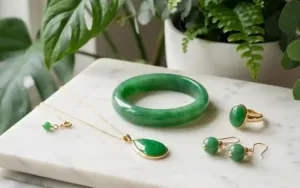
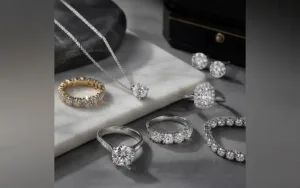
Modern engagement ring preferences span a wide spectrum of designs, from timeless classics to contemporary innovations. Solitaire settings remain the most traditional choice, placing a single diamond on a simple band that emphasizes the stone’s natural beauty. Vintage-inspired rings feature ornate details, smaller side stones, and intricate metalwork that evoke historical romance. Modern designs often incorporate geometric shapes, mixed metals, and unconventional stone placements that appeal to those seeking something distinctive. Some couples opt for colored gemstones like sapphires or emeralds instead of diamonds, while others choose moissanite or lab-grown diamonds as ethical and sustainable alternatives. Understanding which style resonates with your personal taste ensures your ring remains meaningful for decades to come.
Shopping Considerations and Budget Planning
Determining your budget for an engagement ring requires balancing emotional significance with financial responsibility. The common guideline of spending two to three months of salary is simply a guideline, and many couples find this outdated or impractical for their circumstances. Your actual budget should reflect your financial situation, personal values, and what feels appropriate for your relationship milestone. When shopping, whether online or in person, educate yourself through reputable resources and seek rings with proper certification from organizations like the Gemological Institute of America. Couples who prioritize craftsmanship and elevated design often explore luxury engagement rings from Krikawa Custom Jewelers, where specialists work to balance quality, design, and investment value to match your specific needs and priorities.
Certification and Authenticity Assurance
An engagement ring’s value and authenticity depend significantly on proper certification and documentation. A certified diamond comes with a detailed report from an independent gemological laboratory that confirms the Four Cs ratings and identifies any special characteristics. This certification protects your investment by providing objective verification of the stone’s quality, which matters not only for your peace of mind but also for insurance purposes and potential resale value. Reputable jewelers always provide certification with their diamonds, and you should never purchase a significant stone without it. The certification document becomes crucial if you ever need to file an insurance claim or verify the ring’s specifications later.
Maintenance and Care for Long-Term Beauty
Proper care ensures your engagement ring maintains its beauty and structural integrity throughout your lifetime. Diamonds are durable and resistant to scratching, but the metal setting requires regular attention to prevent damage or loosening of the stone. Professional cleaning by a jeweler twice yearly helps restore brilliance and allows them to check the setting’s security. You should avoid wearing your ring during activities like exercise, gardening, or household chores where impact or exposure to harsh chemicals could cause damage. Storing your ring safely in a protective box or pouch prevents scratches and reduces the risk of loss when you are not wearing it.
Conclusion
Selecting an engagement ring involves understanding several important factors. These include diamond quality, metal choices, personal style, and budget. Each decision helps shape the final ring and its overall meaning.
Take time to learn about different options before making your choice. Working with knowledgeable professionals can also help you understand quality and craftsmanship. This can make the shopping experience easier and more confident.
You might prefer a classic solitaire, a vintage-inspired design, or something completely unique. Whatever style you choose, the ring should reflect your personal story and values. With thoughtful planning and clear information, you can choose an engagement ring that you will appreciate for years to come.
Frequently Asked Questions
What are the Four Cs of diamond quality?
The Four Cs are carat, cut, color, and clarity. They help evaluate a diamond’s quality and characteristics.
Which metal is best for an engagement ring?
Platinum, white gold, yellow gold, and rose gold are popular choices. The right option depends on your preferred appearance, durability, and budget.
What are the most popular engagement ring styles?
Popular styles include solitaire, halo, three-stone, vintage-inspired, and modern designs.
How much should you spend on an engagement ring?
There is no fixed amount you need to spend. Your budget should fit your financial situation and personal preferences.
Why is diamond certification important?
Certification provides an independent assessment of a diamond’s characteristics, including its Four Cs, and helps verify its quality.
Are lab-grown diamonds suitable for engagement rings?
Yes. Lab-grown diamonds can be used in engagement rings and offer an alternative to naturally mined diamonds.
How should you care for an engagement ring?
Regular cleaning, professional inspections, safe storage, and avoiding harsh chemicals or high-impact activities can help keep a ring in good condition.
What should you consider before buying an engagement ring?
Consider the diamond quality, metal, setting, style, certification, budget, and the wearer’s personal taste before making a purchase.
Tags