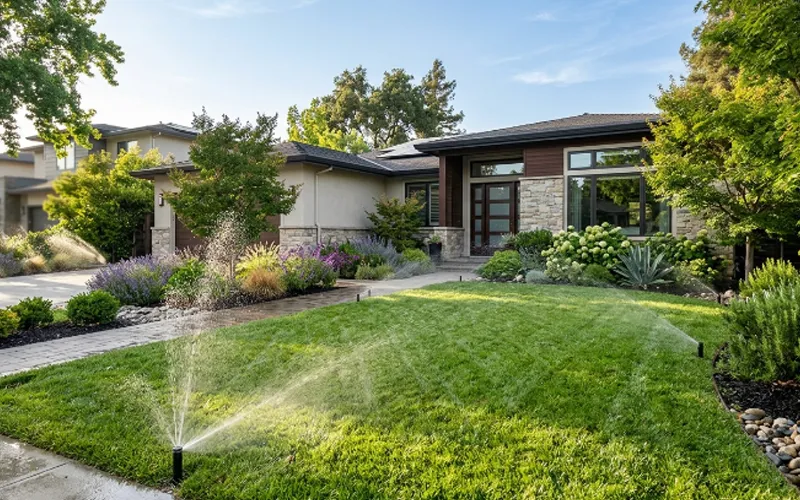
Top Signs Your San Jose Yard Needs a Professional Irrigation Upgrade
San Jose’s warm, dry climate makes efficient watering essential for keeping lawns, gardens, and landscaping healthy throughout the year. Yet many homeowners rely on outdated or poorly designed irrigation setups that waste water, drive up utility bills, and leave yards looking patchy or overgrown in different spots. If your yard has been giving you trouble lately, it may be time to consider an upgrade. Knowing the warning signs can help you catch problems early and avoid more costly repairs down the road.
This guide walks through the most common indicators that your property could benefit from updated irrigation systems in San Jose, CA, along with what to expect from a professional upgrade and answers to frequently asked questions.
Table of Contents
ToggleWhy Irrigation Matters More in San Jose
San Jose sits in a Mediterranean climate zone with long, dry summers and relatively mild, wet winters. Water restrictions and drought concerns are common in the region, which means every drop counts. An inefficient irrigation system doesn’t just hurt your landscaping; it also wastes a limited resource and can trigger higher water bills. A well-designed system, on the other hand, delivers water precisely where and when it’s needed, helping your yard thrive while keeping consumption in check.
Sign #1: Uneven or Patchy Growth
One of the clearest signs of an irrigation problem is inconsistent growth across your lawn or garden beds. If some areas are lush and green while others are brown, dry, or thinning, your current system likely isn’t distributing water evenly. This could stem from:
- Clogged, damaged, or incorrectly positioned sprinkler heads.
- Poor zone design that doesn’t account for sun exposure or soil type
- Aging pipes that have developed leaks or pressure issues
A professional assessment can pinpoint exactly where the coverage gaps are and redesign the system to eliminate them.
Sign #2: Pooling Water or Runoff
Standing water in your yard, especially near sidewalks, driveways, or the street, is a strong indicator that your irrigation system is overwatering certain zones or that water pressure and timing need adjustment. Runoff not only wastes water but can also erode soil, damage hardscaping, and create slippery hazards. If you notice puddles forming after every watering cycle, it’s a sign the system needs recalibration or a full redesign.
Sign #3: Rising Water Bills Without Explanation
If your water bill has crept up over the past several months and you haven’t changed your watering habits, a hidden leak or inefficient system could be the culprit. Older irrigation systems often develop small leaks in underground pipes that go unnoticed for months. These leaks waste significant amounts of water and money. A professional inspection can use pressure testing and other diagnostic tools to locate leaks that aren’t visible from the surface.
Sign #4: An Aging or Outdated System
Irrigation systems typically last between 15 and 20 years, though components like valves, controllers, and sprinkler heads may need replacement sooner. If your system was installed decades ago, it likely lacks modern features such as:
- Weather-based smart controllers that automatically adjust watering times and schedules.
- High-efficiency nozzles that reduce water waste
- Drip irrigation for garden beds and shrubs
- Rain sensors that automatically skip watering cycles after rainfall
Upgrading an older system to include these features can dramatically improve water efficiency and reduce long-term maintenance costs.
Sign #5: Manual Watering Has Become a Chore
If you find yourself dragging hoses around the yard or constantly adjusting sprinkler timers by hand, your current setup isn’t working for you. Modern irrigation systems in San Jose, CA, are designed to automate the entire watering process, factoring in soil moisture, weather forecasts, and plant type to create a schedule that requires little to no manual intervention. A professional upgrade can free up your time while ensuring your landscaping gets exactly what it needs.
Sign #6: Certain Plants Are Struggling While Others Thrive
Different plants have different water needs. Turf grass, drought-tolerant succulents, vegetable gardens, and mature trees all require different watering schedules and amounts. If your yard has a mix of plant types but only one watering zone, some areas are almost guaranteed to be overwatered while others are underwatered. A professional irrigation designer can create multiple zones tailored to the specific needs of each planting area, improving overall plant health.
Sign #7: Frequent Repairs
Are you calling a repair technician every few months to fix a broken valve, leaking pipe, or malfunctioning controller? Frequent breakdowns are often a sign that the system as a whole has reached the end of its useful life. Rather than continuing to patch individual components, it may be more cost-effective in the long run to invest in a full upgrade with newer, more durable materials and technology.
Sign #8: Local Water Restrictions Are Affecting Your Landscaping
California and Santa Clara County periodically implement water conservation measures, especially during drought years. If your yard struggles to stay healthy under these restrictions, it may be because your system isn’t efficient enough to make the most of limited watering windows. Smart irrigation systems can maximize the effectiveness of every permitted watering session, helping your landscaping stay resilient even when water use is limited.
Sign #9: Visible Erosion or Soil Displacement
Excess water runoff and improperly placed sprinkler heads can gradually wash away topsoil, especially on sloped yards. If you notice bare patches, exposed roots, or soil buildup in certain areas after watering, this is a sign your system needs better calibration or a redesign that accounts for your yard’s grading and drainage patterns.
What to Expect From a Professional Irrigation Upgrade
When you bring in a professional to assess and upgrade your irrigation system, the process typically includes:
- A full system evaluation. This involves inspecting existing pipes, valves, controllers, and sprinkler heads to identify inefficiencies, leaks, and damaged components.
- Zone redesign. Technicians map out your yard’s various planting areas and sun exposure levels to create zones that match specific watering needs.
- Equipment upgrades. This may include installing smart controllers, high-efficiency nozzles, drip lines for garden beds, and rain or moisture sensors.
- Pressure and flow testing. Ensuring the system operates at the correct pressure prevents both underwatering and damaging runoff.
- A final walkthrough. Most professionals will walk you through how to use your new system, including any app-based controls or manual overrides.
The investment in a professional upgrade often pays for itself over time through reduced water bills, healthier landscaping, and fewer emergency repairs.
Benefits of Upgrading Your Irrigation System
Beyond fixing the immediate problems in your yard, an irrigation upgrade offers several long-term advantages:
- Lower water bills through more efficient use
- Healthier lawns, gardens, and trees due to consistent, appropriate watering
- Reduced risk of water damage to your home’s foundation or hardscaping
- Compliance with local water conservation requirements
- Increased property value thanks to well-maintained landscaping
- Less time spent on manual yard maintenance
Frequently Asked Questions
How do I know if I need a repair or a full upgrade?
If you’re dealing with a single issue, like one broken sprinkler head, a repair is usually sufficient. But if you’re experiencing multiple problems at once, such as uneven coverage, rising bills, and frequent breakdowns, a full upgrade is often more cost-effective than repeated repairs.
How long does an irrigation system upgrade take?
Most residential upgrades can be completed within one to three days, depending on the size of the yard and the extent of the work involved. Larger properties or more complex redesigns may take longer.
Will a new irrigation system really lower my water bill?
Yes, in most cases. Modern systems use smart technology to avoid overwatering and adjust automatically based on weather conditions, which typically results in noticeable savings compared to older, manually controlled systems.
Can I upgrade just part of my system instead of replacing everything?
In many cases, yes. A professional can assess which components are still functional and only replace what’s necessary, such as adding a smart controller to an otherwise sound system.
Is drip irrigation worth adding to my yard?
Drip irrigation is highly efficient for garden beds, shrubs, and trees since it delivers water directly to the root zone with minimal evaporation or runoff. It’s a smart addition for most San Jose yards, especially areas not covered by traditional spray heads.
How often should irrigation systems be inspected?
Most professionals recommend an annual inspection, ideally in early spring before the dry season begins, to catch any issues before they become bigger problems.
Does upgrading my system help during water restrictions?
Yes. Efficient systems make the most of limited watering windows by targeting water precisely where it’s needed, which helps landscaping stay healthier even when watering days or times are restricted.
Final Thoughts
Your yard is constantly telling you what it needs, whether it’s through patchy grass, pooling water, or a steadily climbing water bill. Paying attention to these signs and addressing them early can save you money, protect your landscaping, and reduce unnecessary water waste. If you’ve noticed any of the issues outlined above, it’s worth reaching out to a professional to evaluate your setup and discuss upgrade options tailored to your yard’s specific needs. A well-planned irrigation upgrade isn’t just a home improvement project; it’s an investment in the long-term health and beauty of your property.
Tags