

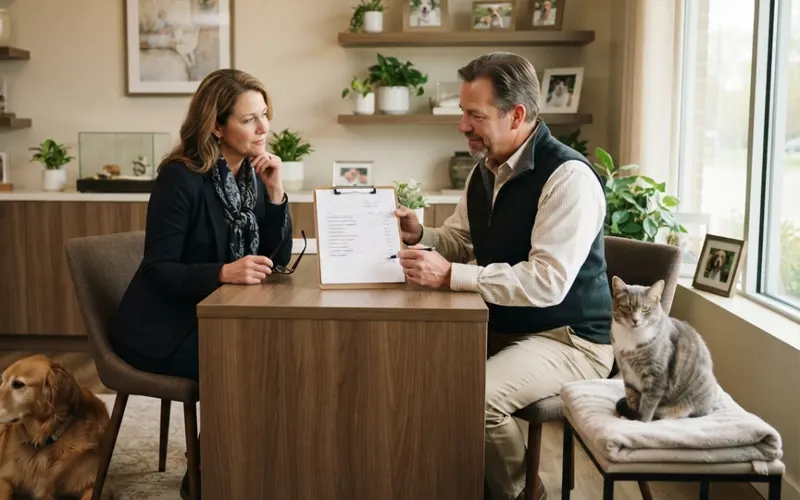
How Are Pet Preservation Estimates Calculated?
When a pet owner starts researching preservation as a way to memorialize a beloved animal, one of the first questions that comes up is cost. Unlike cremation, which tends to follow a fairly standard pricing structure, preservation estimates can vary widely from one provider to the next and from one pet to the next. Understanding what actually goes into an estimate can help owners set realistic expectations, compare providers fairly, and avoid surprises later in the process. This guide breaks down the major factors that shape pet preservation pricing so you can approach the decision with confidence.
Table of Contents
ToggleWhy Preservation Costs Vary So Much
Preservation is a highly specialized, hands-on process that requires training, time, and specific equipment. Because so much of the work is customized to the individual animal, there is no single flat rate that applies across the board. A provider preparing a small cat in a simple curled pose is doing fundamentally different work than one preparing a large dog in a standing position with an open-mouth expression. Every variable adds or reduces time, materials, and skill required, and that is ultimately what an estimate reflects.
Owners who understand this from the start tend to have a much easier time evaluating quotes, since they know which questions to ask and which factors are driving the number they’re given.
The Size of the Animal
Size is one of the biggest cost drivers in any preservation estimate. Larger animals require more time in preparation, more space during the drying process, and often a longer overall turnaround.
- Small pets such as birds, hamsters, or small cats are typically the least expensive to preserve
- Medium-sized pets such as cats or small to mid-sized dogs fall in the middle range
- Large dogs and other sizable animals are usually the most expensive due to the extended time and resources required
Because of this, providers often organize their pricing into size-based tiers rather than offering one universal price for every pet.
The Complexity of the Pose
The pose an owner chooses has a direct impact on the final estimate. A simple, natural resting pose is generally easier and faster to achieve than a more dynamic or lifelike position.
Poses that involve standing postures, open eyes, open mouths, or specific expressions require significantly more skill and attention to detail. Providers need to carefully shape and support the body throughout the drying process to maintain these more complex positions, which adds both labor and risk to the project.
Owners who want a highly customized or dynamic pose should expect to pay more than those who choose a simple, curled-up resting position.
Condition of the Body at Time of Preparation
The condition of the pet’s body when it arrives at the preservation facility plays a major role in both the final quality and the cost. A body that is brought in quickly after death, properly cooled, and in good physical condition is generally easier to work with and preserves more predictably.
If a body has been delayed in transport, exposed to heat, or has any pre-existing damage, additional preparation work may be required. This extra work can affect pricing and, in some cases, may limit what a provider is able to achieve altogether. This is one of the main reasons providers encourage owners to act quickly and contact a facility as soon as possible after a pet passes away.
Type of Fur, Coat, or Feathers
The animal’s coat or feather type can also influence pricing. Pets with thick, long, or dense fur may require more time during preparation and finishing work compared to short-haired breeds. Similarly, birds with delicate feathers require a careful, specialized approach that differs from mammal preservation.
Providers factor in the time needed to clean, groom, and set the coat or feathers properly, since this directly affects how natural and lifelike the final result appears.
Turnaround Time and Rush Requests
Standard preservation timelines can range from several weeks to a few months, depending on the size and complexity of the project. Some providers offer expedited or rush options for owners who want a faster turnaround, though this often comes at an additional cost due to the adjusted workflow required to prioritize one project over others.
Owners should ask directly whether rush service is available and what the added cost would be, since this is not always advertised upfront.
Additional Services and Add-Ons
Beyond the core preservation process itself, many providers offer additional services that can affect the total estimate.
- Custom display cases or stands
- Engraved nameplates or memorial plaques
- Paw print or nose print castings included as a bundle
- Photography or documentation of the process
- Shipping or delivery services for owners located far from the facility
These extras are usually optional, so owners can typically adjust the final cost by choosing only the add-ons that matter most to them.
Regional and Provider Differences
Where a provider is located and how established their business is can also influence pricing. Providers in larger metropolitan areas or those with extensive experience and strong reputations may charge more than newer or less established providers. This doesn’t necessarily mean a higher price guarantees better results, but it often reflects the provider’s level of training, demand, and the quality of equipment used.
When comparing pet preservation pricing across multiple providers, it’s important to compare based on experience and portfolio quality rather than price alone. A lower estimate from an inexperienced provider can end up costing more in disappointment if the final result doesn’t meet expectations.
How to Get an Accurate Estimate
Because so many variables affect the final price, owners should avoid relying on vague online estimates and instead reach out directly to providers for a personalized quote. Here is what to have ready when requesting one.
- The species, breed, and approximate weight of the pet
- A general description of the desired pose or positioning
- Photos of the pet, if available, to help the provider assess the coat and condition
- Information about the current condition of the body and how soon it can be transported
- Any specific add-ons or timeline needs
Providing this information upfront allows a provider to give a more accurate estimate rather than a broad range that may not reflect the actual cost.
Red Flags to Watch For When Comparing Estimates
Not all estimates are created equal, and owners should be cautious of certain warning signs.
- Prices that seem far below the typical market range with no clear explanation
- Providers who refuse to give a written, itemized estimate
- Vague answers about what is or isn’t included in the quoted price
- No portfolio or examples of previous work
- Pressure to commit quickly without time to ask questions
A transparent provider will walk owners through exactly what goes into their pricing and will be upfront about any potential additional costs before work begins.
Frequently Asked Questions
What is the average cost of pet preservation?
Costs vary widely based on size, pose, and provider, but they generally range from a few hundred dollars for small pets to several thousand dollars for larger animals with complex poses.
Does the size of my pet always determine the price?
Size is one of the biggest factors, but pose complexity, coat type, and body condition also play a significant role in the final estimate.
Can I get an exact price without contacting a provider directly?
Not usually. Most providers need details about your specific pet and its condition to give an accurate quote rather than a general estimate.
Is a more expensive provider always better?
Not necessarily, but price often reflects experience, training, and equipment quality. It’s best to evaluate based on portfolio and reviews rather than price alone.
Are there hidden fees I should ask about?
Some providers charge separately for display cases, rush service, or shipping. Always request an itemized quote so you know exactly what is included.
Does the condition of my pet’s body affect the price?
Yes. Bodies that are in good condition and transported quickly are generally easier and less costly to prepare than those that have been delayed or exposed to heat.
Can I reduce the overall cost of preservation?
Choosing a simpler pose, skipping optional add-ons, and avoiding rush service are common ways owners can manage the overall cost.
Making Sense of Your Estimate
Understanding what goes into a preservation quote can make the entire process feel far less overwhelming. Rather than comparing numbers in isolation, owners should look at the full picture, including the provider’s experience, the specific needs of their pet, and exactly what is included in the price. Taking the time to ask detailed questions and request an itemized breakdown is the best way to understand pet preservation pricing and ensure the final estimate truly reflects the quality and care you’re expecting for your companion.