
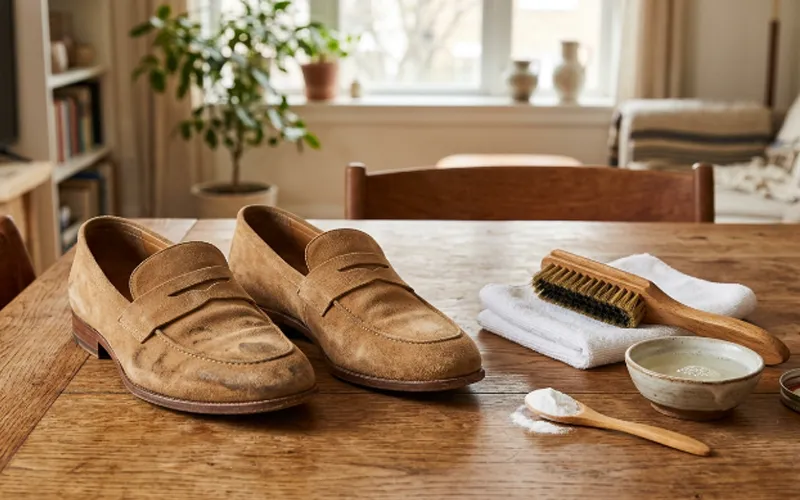
How to Clean Suede Shoes Naturally Using Simple Household Methods
Suede shoes have a soft, velvety finish that gives them a stylish and premium appearance. However, that same delicate texture can make them more difficult to maintain than leather or other common shoe materials. Dirt, dust, water marks, mud, oil, and accidental spills can quickly change the appearance of suede. The good news is that you do not always need expensive products to care for them. With the right technique and a little patience, you can learn how to clean suede shoe properly at home while protecting the material.
Cleaning suede is different from cleaning ordinary shoes. Too much water, strong rubbing, or the wrong cleaning product can flatten the nap, spread a stain, or leave permanent marks. This is why it is important to understand the material before trying any cleaning method. Whether you want to know how to clean suede shoes at home, remove a stubborn stain, or freshen up a pair that has become dirty after regular use, gentle treatment is the key.
Table of Contents
ToggleWhy This Material Needs Special Care
Suede is made from the underside of animal hide, which gives it a softer and more textured surface than traditional smooth leather. The tiny fibers on the surface create the characteristic matte finish that makes suede attractive. However, these fibers can easily collect dust and react badly to excessive moisture or rough cleaning.
One of the biggest mistakes people make is treating suede shoes like regular sneakers. Scrubbing them with a wet cloth may seem like a simple solution, but it can make the problem worse. Water can create dark patches, change the texture, or cause uneven drying. Understanding this difference will help you choose a safer cleaning method and avoid unnecessary damage.
The Best Way to Clean Them at Home
Before you start cleaning, allow the shoes to become completely dry if they are damp. Trying to remove dirt from wet suede can push the dirt deeper into the fibers. Once the shoes are dry, gently remove loose dust and surface dirt with a suede brush. Brush in one direction first, then lightly work over areas where the nap looks flattened.
If you do not have a suede brush, do not panic. A clean, soft toothbrush can sometimes be used as a temporary alternative. The important thing is to avoid a stiff brush that could pull at the delicate fibers. When working on suede, light pressure is much safer than aggressive scrubbing.
After removing loose dirt, inspect the shoes carefully. Different stains require different approaches. A dry dirt mark may need only brushing, while an oily spot or water stain may require a different treatment. Cleaning the entire shoe unnecessarily can sometimes create additional marks, so focus on the affected area whenever possible.
Easy Ways to Clean Them Without a Special Cleaner
If you do not have a commercial suede cleaner, you can still deal with many everyday marks using simple household items. The safest approach is to start with the least aggressive method. A clean dry cloth, soft brush, or suede eraser can often remove minor surface marks without introducing moisture.
For tougher stains, household products can be useful when applied carefully. White vinegar and rubbing alcohol are commonly used because they evaporate relatively quickly and can help loosen certain marks without soaking the suede. However, every suede material can react differently, so testing any solution on a hidden area first is extremely important.
The goal is not to make the suede wet. Instead, use a very small amount of the chosen solution on a clean cloth and gently dab the affected area. Avoid pouring the liquid directly onto the shoe. Once the area has been treated, let it dry naturally before brushing the nap back into shape.
Using Rubbing Alcohol for Stubborn Stains
Rubbing alcohol can be useful for some stubborn suede stains, particularly certain ink or surface marks. To use it carefully, place a small amount of rubbing alcohol on a clean white cloth rather than applying it directly to the shoe. Dab the stained area gently and avoid soaking the material.
As the alcohol evaporates, the affected area may look slightly different from the surrounding suede. This does not always mean the shoe has been damaged. Once it has dried completely, use a soft brush to restore the texture and blend the area with the rest of the shoe.
Before using alcohol, always test it somewhere hidden. Darker or specially dyed suede may react differently, and some finishes may be more sensitive than others. If the test area changes color noticeably, it is better to stop and use a product specifically designed for suede.
Using Vinegar to Remove Dirt and Stains
White vinegar is another household option often used for treating marks on suede. It can be particularly helpful when dealing with certain salt deposits or water-related stains. The key is to use a small amount rather than saturating the shoe.
Apply a little white vinegar to a clean cloth and gently dab the stained area. Do not rub aggressively because excessive friction can damage the nap. Allow the shoe to air-dry naturally after treatment. You may notice a temporary vinegar smell, but this usually fades as the material dries.
Once the suede is completely dry, brush it gently to restore its original texture. If the stain remains, repeat the process carefully rather than increasing the amount of vinegar. A small amount used patiently is safer than excessive moisture.
Using Baking Soda to Treat Odors and Marks
Baking soda can be useful when suede shoes have picked up unpleasant odors or when you need to deal with a greasy area. Unlike liquid cleaners, baking soda can absorb some oils and moisture from the surface.
For an oily mark, sprinkle a small amount of baking soda over the affected area and leave it for several hours or overnight. This gives the powder time to absorb some of the residue. Afterward, gently brush away the baking soda using a soft brush.
This method should not replace professional treatment for a serious oil stain. It is best suited to minor marks and odor control. If the stain remains after brushing, avoid repeatedly rubbing the same area because that can change the appearance of the suede.
Choosing and Applying the Right Cleaner
A dedicated suede cleaner is often the safest choice when you want a product specifically formulated for this material. Commercial suede cleaners are designed to deal with common dirt and stains while minimizing the risk of damaging the texture.
Always read the product instructions before using it. Some cleaners need to be applied with a brush or cloth, while others may require a specific drying process. Applying more product than recommended does not necessarily produce better results.
It is also important to clean evenly when using a liquid suede cleaner. If you treat only a tiny section with a noticeable amount of moisture, the area may dry differently from the surrounding material. Follow the cleaner’s instructions carefully and allow the shoe to dry fully before judging the final result.
Cleaning with a Water and Vinegar Solution
Water should be used carefully on suede because excessive moisture can leave marks. If you are considering how to clean suede shoes with water and vinegar, the safest approach is to avoid soaking the shoe.
A small amount of diluted white vinegar can be applied with a clean cloth to certain stains. The cloth should be damp rather than wet. Gently work over the affected area and allow the shoe to dry naturally afterward.
One important point is that water and vinegar should not be treated as a universal solution. Some suede shoes have special dyes, coatings, or finishes that may react differently. Always test the mixture in an inconspicuous area before treating a visible section.
What to Do When They Get Wet
Wet suede shoes should be handled carefully. Do not immediately scrub them or place them next to a heater. Instead, gently remove excess moisture using a clean towel. Press the towel against the material rather than rubbing it.
Let the shoes dry naturally in a well-ventilated area. You can place clean paper inside them to help maintain their shape while they dry. Replace the paper if it becomes damp.
Once the shoes are completely dry, brush the surface gently. Drying can make the nap look flattened or uneven, but careful brushing can often improve its appearance.
Learning how to clean suede shoes after getting wet is mainly about avoiding sudden heat and aggressive cleaning. Patience is important because trying to speed up the drying process can create additional problems.
Cleaning Them Without a Suede Brush
A suede brush is useful, but you may sometimes need to clean your shoes without one. If you are wondering how to clean suede shoes without suede brush, start with a clean, soft toothbrush. Make sure it has soft bristles and has not been used with toothpaste, soap, or other products.
Brush gently in the direction of the suede fibers. Do not press hard or repeatedly scrub one small area. A soft microfiber cloth can also help with very light surface dust, although it will not lift the nap as effectively as a proper suede brush.
For long-term care, investing in a suede brush is worthwhile because regular brushing helps prevent dirt from becoming deeply embedded in the material.
How to Clean Suede Shoes Adidas
Adidas makes shoes using different materials, so the cleaning method depends on the specific pair. If your Adidas shoes have genuine suede panels, treat those sections as suede rather than cleaning them like synthetic mesh or rubber.
Start by checking the care instructions for your particular shoes. Remove loose dirt with a soft brush and use a suitable suede cleaner if necessary. Avoid soaking the entire shoe, especially if it contains other materials that may require a different cleaning method.
When cleaning mixed-material footwear, separate the suede areas from the rest of the shoe as much as possible. This helps prevent water or cleaning products intended for other materials from spreading onto the suede.
Common Mistakes to Avoid
One of the most common mistakes is using too much water. Suede does not need to be soaked to become clean. Excess moisture can create additional marks and make drying more difficult.
Another mistake is aggressive scrubbing. Suede has a delicate surface, and repeated friction can flatten the fibers or make one section look different from another.
People also sometimes apply several cleaning products one after another because the first attempt did not work immediately. This can make the situation worse. Give the shoe enough time to dry and evaluate the result before trying another method.
Ignoring the manufacturer’s care instructions can also be risky. Some suede shoes contain special finishes or combinations of materials that require specific treatment. When in doubt, a professional shoe cleaner is often a better option than experimenting with strong household chemicals.
How to Keep Suede Shoes Clean for Longer
Regular care can reduce the need for deep cleaning. Give your suede shoes a light brushing after wearing them, especially if you have been walking on dusty or dirty surfaces. Removing loose dirt early is much easier than dealing with deeply embedded grime later.
A suede protector can also help reduce the effect of future spills and stains. Apply it according to the manufacturer’s instructions and test it on a hidden area if you are unsure how it will affect the color.
Proper storage matters as well. Keep suede shoes in a cool, dry place away from excessive humidity and direct sunlight. Avoid storing them while they are damp because trapped moisture can lead to unpleasant odors and other problems.
Conclusion
Keeping suede shoes clean does not have to be difficult when you use the right approach. The key is to treat the material gently, avoid excessive moisture, and choose a cleaning method that suits the type of dirt or stain. Simple household products such as vinegar or baking soda can be useful for certain problems, while a suede cleaner may be a better choice for more delicate or stubborn marks.
Regular brushing and proper storage can also help your shoes stay fresh and maintain their soft texture for longer. Most importantly, avoid harsh scrubbing, strong chemicals, and direct heat. With a little patience and the right care, you can keep your suede shoes looking clean, stylish, and well-maintained without putting their delicate finish at risk.
Frequently Asked Questions
1. Can you clean suede shoes with regular household products?
Yes, some household products can help with certain suede stains. White vinegar and baking soda are commonly used for specific types of marks, but they should always be tested on a hidden area first to make sure they do not affect the color or texture.
2. What is the safest way to clean suede shoes at home?
The safest approach is to let the shoes dry completely, remove loose dirt with a soft brush, and treat stains gently with a suede-safe cleaner or an appropriate household method. Avoid soaking the material or using strong pressure.
3. Can water permanently damage suede shoes?
Water does not always permanently damage suede, but excessive moisture can leave visible marks, affect the texture, or cause uneven drying. If suede shoes get wet, blot away excess moisture and allow them to dry naturally before brushing them.
4. Can I use vinegar to remove stains from suede shoes?
Yes, diluted white vinegar can help with some stains, including certain water or salt marks. Apply a small amount with a clean cloth rather than pouring it directly onto the suede, and always perform a patch test first.
5. Is baking soda safe for suede shoes?
Baking soda can be useful for absorbing some surface oils and reducing odors. Apply a small amount to the affected area, leave it for several hours, and gently brush it away afterward. Avoid excessive rubbing.
6. How can I clean suede shoes without a suede brush?
A clean, soft toothbrush can be used as a temporary alternative to a suede brush. Use gentle strokes to lift dirt and refresh the nap. Avoid stiff brushes because they may damage the delicate fibers.
7. How often should suede shoes be cleaned?
There is no fixed schedule because it depends on how frequently you wear them and the conditions they are exposed to. Light brushing after regular use can prevent dirt from building up, while deeper cleaning should be done only when noticeable stains or heavy dirt appear.
Tags