What Is Makeup Primer? Uses, Types and How to Apply It
If you have ever stood in a beauty aisle wondering what is makeup primer and whether it deserves a place in your routine, you are not alone. Makeup primer is a thin, smoothing product applied after skincare and before foundation. It creates an even surface so makeup glides on easily, looks more refined, and stays in place for longer.
This guide explains what primer actually does, what is inside the bottle, and how to match a formula to oily, dry, combination or sensitive skin. You will also find budget-friendly options, an honest comparison with skipping it, and a complete routine for layering primer, foundation and concealer in the right order.
Table of Contents
ToggleDefining Makeup Primer
Direct Answer
In practice, primer is a gel, cream, lotion, serum or balm that feels silky or slightly tacky on the skin. Its purpose is not to cover anything. Instead, it prepares the surface so the makeup that follows looks smoother and holds on better. Think of it as sanding a wooden table before painting it: the paint is identical, but the finish looks far smoother.
Moisturizer Mix-Up
Many beginners assume primer is just a second moisturizer, but the two have different jobs. Moisturizer treats the skin itself by supporting hydration and the skin barrier, and it always comes first. Primer is a surface-level layer designed around how makeup behaves on top of skin. Some primers contain hydrating ingredients, yet none of them replace a proper moisturizer, especially for dry skin. Using only primer instead of skincare can leave skin tight by evening, while using only moisturizer under foundation may leave pores and texture more visible.
Uses of Makeup Primer
Primer is one product with several jobs, and each formula leans toward one or two of them. Here is what it can realistically do for your skin and your makeup.
Blurring Pores and Lines
Primer cannot permanently shrink pores, because pore size is largely genetic. What it can do is create a soft-focus effect. Fine particles and silicones settle into shallow dips around the nose, cheeks and forehead, which makes the surface look more level. Light-diffusing formulas scatter reflections so texture is less noticeable in daylight and photos. This is why foundation can look patchy over bumpy skin without primer and noticeably more even with it. The result is visual only, and it lasts as long as the product stays on your face.
Extending Wear Time
Over a long day your skin produces oil, sweat and heat, all of which push foundation around until it creases or slides. A grip-focused primer forms a thin film that helps makeup cling instead of sinking into the skin. Many people notice that concealer under the eyes stays put for hours longer and that foundation fades evenly instead of in patches. Results depend on the formula and the climate, so primer will not make makeup invincible in extreme humidity, but it often adds a meaningful buffer.
Balancing Shine and Glow
Primers can steer the finish of your makeup in either direction. Mattifying versions absorb or cushion excess oil and tone down shine across the T-zone, which helps a matte foundation stay matte. Illuminating versions contain fine reflective pearls that give skin a lit-from-within look, and they are often applied only to high points such as the cheekbones.
Correcting Tone Concerns
Tinted primers use the color wheel to neutralize common concerns before foundation goes on. Green shades calm redness around the nose or cheeks, peach and orange soften dark or blue-toned patches, lavender brightens sallow skin, and yellow tones down purple shadows. Because the correction happens underneath, you can often use less foundation and still achieve an even tone. Choose the shade carefully and blend it only where needed, since applying it all over can change your natural complexion.
Makeup Primer Ingredients and Formulas
Knowing what is in the tube helps you choose better and avoid products that clash with your skin or your foundation.
Silicone-Based Formulas
Most classic primers rely on silicones such as dimethicone or cyclopentasiloxane. These ingredients give the product its slippery, silky feel and fill in surface texture, which is why they are favored for blurring pores and lines. They also create a smooth film that helps foundation spread evenly. Silicone is considered safe for cosmetic use and is not automatically pore clogging, although some people dislike the heavy feel. A quick way to spot one is to scan the ingredient list for words ending in -cone or -siloxane.
Water-Based Formulas
Water-based primers replace much of the silicone with water, humectants and light polymers. They feel fresher, absorb quickly, and often suit people who prefer a skin-like finish or find silicone-heavy products too occlusive. The trade-off is that they usually blur texture less dramatically and may not grip as firmly in heat. They tend to pair nicely with lightweight tints and low-coverage foundations, so they make a comfortable choice for everyday, minimal routines.
Skincare-Style Extras
Modern primers often borrow from skincare. Hyaluronic acid draws moisture to the surface, niacinamide can help with the look of oil and uneven tone, and glycerin keeps the formula comfortable. Antioxidants such as vitamin E are common additions as well. Some primers also include SPF, but you would need to apply a generous layer to reach the number on the label, so it is wise to treat built-in SPF as a bonus rather than your only protection.
Ingredients to Watch
Reading the label helps you avoid irritation. Added fragrance, essential oils and high levels of drying alcohol are the most frequent triggers for stinging or redness, especially on sensitive skin. Heavy oils or rich butters may feel lovely on dry skin but greasy on oily skin, and they can cause breakouts in people prone to clogged pores. If you have a known allergy, scan for it carefully, and patch test any new primer on your jaw or behind your ear for a day before using it on your whole face.
Matching Primer to Skin Type
The same primer rarely suits everyone, so the best match depends on how your skin behaves by midday.
Oily Skin Primer Picks
If you are wondering what makeup primer is best for oily skin, look for words like mattifying, oil-control or pore-blurring. These formulas often contain silica, clay or fine powders that absorb sebum and keep the surface looking velvety. Apply a thin layer, with a little extra around the nose, forehead and chin where shine appears first. Avoid anything labeled dewy or illuminating on those areas, because added glow can exaggerate shine by midday.
Dry Skin Primer Picks
On dry skin, the main problem is foundation clinging to flaky patches and settling into lines. A hydrating or illuminating primer helps by adding slip and moisture so makeup moves smoothly across the face. Look for ingredients like hyaluronic acid, glycerin, squalane or ceramides, and choose creamy gels, serums or balms instead of powdery matte textures. Press the product into dry areas rather than rubbing it, and let it settle. Skipping a thorough moisturizer beforehand will undermine even the best hydrating primer.
Combination Skin Strategy
Combination skin means different zones need different care, and primer can respect that. A practical approach is to use a mattifying primer on the T-zone and a hydrating or glow-boosting one on the cheeks and outer face. If you prefer a single product, choose a lightweight, balanced gel that neither dries nor greases. Test it over a full workday: if your forehead shines while your cheeks feel tight, a two-product method will probably serve you better.
Sensitive or Breakout-Prone Skin
Sensitive skin does best with short ingredient lists and soothing components like aloe or centella. For breakout-prone skin, look for non-comedogenic labels, though these are not a guarantee, and consider a lighter water-based formula. Whatever you choose, remove it thoroughly at night with a gentle cleanser, using a double cleanse if you wear long-wear makeup. If you notice new bumps or irritation after starting a primer, stop using it and speak with a dermatologist.
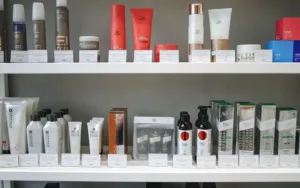
Drugstore Primer Choices
A drugstore primer is simply a primer sold in mainstream pharmacies and supermarkets at an accessible price, and it works on the same principles as costlier ones.
Label-Reading Basics
Affordable primers draw on the same core ingredient families as costly ones, so the label tells you more than the price tag. When comparing options, check for a formula that matches your skin type, a texture you enjoy wearing, a short ingredient list, and plenty of reviews from people with similar skin. The table below links common concerns to label clues rather than brand names. Formulas can also differ between countries, so always read the ingredient list on the pack in your hand.
| Concern | Label clues to look for | What to expect |
| Oily skin and shine | Mattifying, oil-control, silica or clay | Less shine with a matte, blurred finish |
| Visible pores | Pore-blurring, silicone-based gel or putty | Soft-focus effect, not a smaller pore |
| Dry, dull skin | Hydrating, hyaluronic acid, glycerin | Comfortable base with a radiant finish |
| Redness | Green-tinted, color-correcting, niacinamide | Red tones look calmer under foundation |
| All-round grip | Gel texture, long-wear, suitable for all skin types | Tacky base that helps makeup hold on |
When to Splurge
Higher-priced primers are not automatically better, but they can justify the cost in specific cases. Luxury formulas often have finer textures, more elegant finishes and extra skincare ingredients, which can feel nicer on very dry or mature skin. They are also worth considering for special events where a refined look matters. For daily use on normal or oily skin, a well-reviewed drugstore option usually performs comparably, so a budget formula is a reasonable place to begin.
Primer or No Primer
Not everyone needs primer every day, so here is a fair look at both sides.
Honest Side-by-Side
The table below compares a primed face with an unprimed one across the factors that matter most in real life.
| Factor | With primer | Without primer |
| Skin texture | Looks smoother and softly blurred | Foundation may highlight bumps and pores |
| Wear time | Often lasts longer and fades evenly | May crease or fade sooner, depending on skin |
| Application | Foundation glides and blends quickly | Can need extra blending or product |
| Finish | Can be steered toward matte or glow | Depends on the foundation alone |
| Cost and time | One more product and about a minute | Simpler, cheaper routine |
Is It Mandatory?
No, you do not have to use primer. Plenty of people get lovely results with good skincare and a well-chosen foundation, and no rule says makeup fails without it. Primer is a tool rather than a requirement. It earns its place when you have visible texture, oily or dry patches, makeup that fades quickly, or a desire for a specific finish. If your current routine already works for you, adding one is optional, not essential.
Skip-Friendly Situations
There are days when primer adds little. A tinted moisturizer or light skin tint usually sits happily on well-moisturized skin without any extra layer. Short outings, quick errands and no-makeup makeup looks rarely need added grip. Skipping can also make sense in cool, dry weather when makeup is under little stress, or when your skin feels irritated and you want to keep your routine as gentle and simple as possible.
Occasions Needing Grip
Some situations push makeup hard, and that is where primer proves its value. Weddings, long events, photoshoots, videos, hot or humid weather, and shifts where you cannot touch up all benefit from the extra hold. Cameras and flash can also exaggerate texture, so a blurring formula helps. For these days, pair primer with a long-wear foundation for the most staying power.
Layering Primer, Foundation and Concealer
Follow this order for the smoothest result when you combine primer, foundation and concealer.
Cleanse and Hydrate
Start with a clean face so oil and leftover product do not interfere with makeup. Use a gentle cleanser, pat your skin dry, then apply a moisturizer suited to your skin type. Give it a few minutes to absorb until the surface feels comfortable rather than slippery. Applying primer over a damp, half-absorbed moisturizer is a common reason makeup looks messy later on.
Add Sunscreen
Daytime routines should include sunscreen after moisturizer. Use a broad-spectrum SPF 30 or higher, apply enough to cover the face and neck, and let it dry down for a couple of minutes. Sunscreen goes before primer because primer acts as a makeup base, not as a protective layer. If your primer includes SPF, you can still wear a separate sunscreen underneath for dependable protection.
Place the Primer
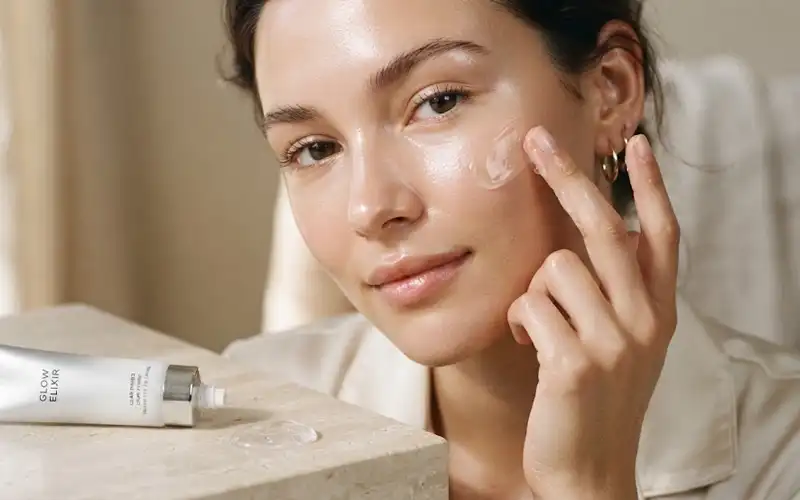
Use roughly a pea-sized amount for the whole face. Dot it across the forehead, cheeks, nose and chin, then spread it from the center outward with clean fingertips or a damp sponge. Press a little extra into areas where makeup tends to fade, such as around the nose and along the T-zone. Wash your hands or tools afterward so the product does not transfer to the next step.
Pause Briefly
Give the primer about a minute to settle. It should feel smooth and silky or slightly tacky, not wet. This short pause lets the formula form its film before anything goes on top. Use the time to choose your lip color or tidy your brows, then check that the surface looks even. If it still feels wet, wait a little longer before moving on.
Blend Foundation
Apply foundation with a damp sponge, brush or fingertips, starting at the center of the face and blending outward. Use thin layers and build coverage only where needed, tapping instead of dragging so the primer stays in place. Check your jawline and hairline in natural light for harsh edges. A sheer, well-blended layer usually looks more natural than a thick one and leaves less to fade during the day.
Conceal Target Spots
Concealer comes after foundation in most routines, because foundation may already cover some of what you wanted to hide. Dab a small amount under the eyes, on blemishes, or around the nose, then blend the edges with a sponge or finger using light tapping. A thin layer looks fresher and is less likely to crease. Let the product melt into the skin for a few seconds before stacking more on top.
Lock the Look
Finish by setting the areas that tend to move, usually under the eyes and across the T-zone. A light dusting of translucent powder works well for oily skin, while a fine setting spray suits dry or mature skin. Avoid heavy powdering over a primed face, since it can emphasize dry patches. From cleansing to setting, the whole routine adds only a few minutes to your morning.
Common Mistakes
A few small habits can undo the benefits, so watch for these.
Using Too Much
More product does not mean more grip. A thick layer can feel sticky, slide around, and make foundation look heavy or cakey. If your makeup looks greasy or patchy within an hour, cutting back on primer is the first adjustment to try.
Rushing the Wait
Applying foundation straight onto wet primer drags the product, causing streaks, balled-up bits and uneven coverage. Those little crumbs are called pilling, and they are frustrating once they appear. Waiting the full minute prevents most of it.
Mixing Wrong Formulas
Silicone and water-based products do not always get along. A silicone primer under a very watery foundation can cause the base to bead up or separate, while a water-based primer under a silicone foundation can feel slippery and patchy. Matching families usually gives the best result, and checking the first few ingredients on each label makes it easy. When in doubt, test the combination on your jaw before an important event.
Frequently Asked Questions
Will It Work Alone?
Yes. Many people wear primer by itself for a smoother, softly blurred complexion that looks like bare skin, especially in matte or lightly glowing formulas. It leaves dark circles and blemishes visible, so add a dab of concealer if you want them covered. A tinted lip balm completes a quick, polished look.
Can Men Use It?
Absolutely. Primer is not gendered, and it suits anyone who wants smoother skin, less shine or concealer that lasts longer. Clear, lightweight gels are a popular choice because they are nearly invisible on the skin. They also work well for photos, video calls and special days when you want a polished look without obvious makeup.
How Should It Be Stored?
Keep primer in a cool, dry place away from direct sunlight and bathroom steam, and close the cap firmly after every use. Pump bottles and tubes stay cleaner than open jars. Most primers last 12 to 24 months, so check the period-after-opening symbol on the pack and throw away any product that smells odd or separates.
Which Texture Suits Beginners?
A lightweight gel or water-based lotion is the easiest place to start because it is forgiving, spreads quickly and feels like almost nothing on the skin. Putty and balm textures blur more strongly but take a little practice. Buy a small size first, and pick a formula aimed at your skin type rather than a one-size-fits-all claim.
Where Does Setting Spray Fit?
Setting spray comes at the very end of a routine, while primer goes on before anything else. Primer prepares the skin so makeup applies evenly, and the spray seals the finished look against heat and touch. They work as a pair rather than substitutes, so using one does not make the other unnecessary.
Are Eye Primers Different?
Yes. Eyelid primers are made for delicate lids, usually with a neutral or tinted base that helps eyeshadow hold its color and resist creasing. Face primers are designed for larger areas and can irritate the eye area if they contain fragrance or drying ingredients. Choose a product labeled for the eye area when you prep your lids.
Should It Be Worn Daily?
For most people daily use is fine, and there is no established need to take breaks from a formula that suits your skin. Many people simply save it for long days, events or photos. If irritation appears, compare the ingredient list with your other products before trying it again.
Final Thoughts
Makeup primer is an optional but useful thin layer that helps makeup look smoother and last longer. Choose a formula by skin type, start with an affordable option, and test it for a week. Keep it only if you notice a real difference.
Tags
- drugstore primer, face primer, how to apply primer, makeup basics, Makeup for Beginners, makeup primer, makeup primer ingredients, Makeup Routine, makeup tips, pore blurring primer, primer and foundation, primer for dry skin, primer for oily skin, primer vs no primer, silicone vs water-based primer, what is makeup primer